

What is Cancer?
Cancer is a complex group of diseases characterized by the uncontrolled growth and spread of abnormal cells in the body. When the body’s normal control mechanisms stop working, old cells don’t die when they should, and new cells form when the body doesn’t need them. These extra cells can form a mass of tissue called a tumor. According to research published in CA: A Cancer Journal for Clinicians, cancer remains one of the leading causes of death worldwide, affecting millions of patients and their families each year.
Cancer can develop in virtually any tissue in the body, with over 100 different types identified by medical science. Some cancers grow slowly and are confined to specific areas, while others are aggressive and spread rapidly to other parts of the body through a process called metastasis. The impact of cancer extends far beyond the physical disease itself, affecting patients’ emotional well-being, financial stability, and overall quality of life.
Traditional cancer treatments, including surgery, chemotherapy, radiation therapy, immunotherapy, and targeted therapy, have improved survival rates significantly over the past decades. However, these treatments often come with severe side effects that can be debilitating. Chemotherapy-induced nausea and vomiting (CINV), cancer pain, loss of appetite, anxiety, depression, and insomnia are among the most common challenges cancer patients face during treatment.
The limitations and side effects of conventional cancer treatments have led many patients to seek complementary and alternative approaches to manage their symptoms. Medical marijuana has emerged as a promising option, with growing research supporting its use for various cancer-related symptoms. Unlike traditional pharmaceuticals that often target single symptoms, cannabis contains multiple compounds that may address several issues simultaneously.
Common Symptoms Experienced by Cancer Patients

Cancer and its treatments can cause a wide range of debilitating symptoms:
✓ Chronic Pain - Caused by tumor pressure, nerve damage, or treatment side effects
✓ Severe Nausea and Vomiting - Especially common during chemotherapy
✓ Loss of Appetite and Cachexia - Severe weight loss and muscle wasting
✓ Anxiety and Depression - Psychological distress from diagnosis and treatment
✓ Insomnia and Sleep Disturbances - Difficulty sleeping due to pain or anxiety
✓ Fatigue and Weakness - Overwhelming tiredness affecting daily activities
✓ Neuropathic Pain - Burning, tingling sensations from nerve damage
✓ Inflammation - Tissue swelling and discomfort
✓ Digestive Issues - Constipation, diarrhea, and other GI problems
✓ Respiratory Problems - Breathing difficulties in lung cancer patients
✓ Cognitive Impairment - “Chemo brain” affecting memory and concentration
✓ Skin Changes - Rashes, dryness, and sensitivity from treatment
These symptoms significantly diminish quality of life and can even lead some patients to discontinue potentially life-saving treatments. The multifaceted nature of cancer-related symptoms makes them particularly challenging to manage with single-target pharmaceutical approaches, which is why many patients and healthcare providers are turning to medical marijuana as a complementary treatment option.
How Medical Marijuana Helps Cancer Patients
The Science Behind Cannabis Treatment
The therapeutic potential of medical marijuana for cancer patients lies in its interaction with the body’s endocannabinoid system (ECS). This complex cell-signaling system plays a crucial role in regulating various physiological processes, including pain sensation, immune response, appetite, mood, and sleep. The ECS consists of endocannabinoids (naturally produced by the body), cannabinoid receptors (primarily CB1 and CB2), and enzymes that break down endocannabinoids.
Cannabis contains over 100 different cannabinoids, with tetrahydrocannabinol (THC) and cannabidiol (CBD) being the most studied and therapeutically relevant. THC primarily binds to CB1 receptors, which are abundant in the brain and central nervous system, producing the plant’s psychoactive effects while also providing pain relief, anti-nausea properties, and appetite stimulation. CBD, on the other hand, has minimal psychoactive effects and works through various mechanisms, including indirect interaction with cannabinoid receptors, modulation of serotonin receptors, and anti-inflammatory pathways.
Research published in the Journal of Pain and Palliative Care Pharmacotherapy demonstrates that cannabinoids can effectively address multiple cancer-related symptoms simultaneously. THC’s antiemetic (anti-nausea) properties have been well-documented, making it particularly valuable for cancer patients undergoing chemotherapy. The compound works by activating CB1 receptors in the brain’s vomiting center, effectively reducing nausea and vomiting that conventional antiemetics sometimes fail to control.
For cancer pain management, medical marijuana offers a unique advantage. Studies show that cannabinoids can modulate pain through multiple mechanisms: reducing inflammation, altering pain perception in the brain, and potentially addressing neuropathic pain that responds poorly to opioids. According to findings in Current Oncology Reports, cannabis may be particularly effective for cancer patients experiencing breakthrough pain or those who have developed tolerance to opioid medications.
The appetite-stimulating effects of THC, often referred to as “the munchies,” provide genuine therapeutic benefit for cancer patients experiencing cachexia or treatment-related anorexia. This effect occurs through THC’s activation of CB1 receptors in the hypothalamus, triggering hunger signals and making food more appealing. For patients struggling to maintain adequate nutrition during treatment, this can be life-changing.
Beyond symptom management, preliminary research suggests that cannabinoids may have direct anti-cancer properties, though this remains an area requiring extensive further study. Laboratory and animal studies have shown that cannabinoids can inhibit tumor growth, induce cancer cell death (apoptosis), and prevent angiogenesis (the formation of new blood vessels that feed tumors). However, it’s crucial to note that these effects have not been conclusively demonstrated in human clinical trials, and medical marijuana should never be considered a replacement for conventional cancer treatment.
Key Benefits of Medical Marijuana for Cancer
Pain Relief
Cancer pain represents one of the most challenging aspects of the disease, affecting up to 90% of patients with advanced cancer. Research in JAMA Oncology indicates that medical marijuana can provide significant pain relief for cancer patients, particularly those experiencing neuropathic pain from chemotherapy or nerve compression from tumors.
Cannabis works through multiple pain-relief mechanisms. THC binds to CB1 receptors in the brain and spinal cord, altering pain perception and emotional response to pain. CBD reduces inflammation through its interaction with the immune system and may enhance the body’s natural endocannabinoid production. The combination of these effects can address both nociceptive pain (from tissue damage) and neuropathic pain (from nerve damage), making cannabis particularly valuable for cancer patients who often experience both types simultaneously.
Many cancer patients report that medical marijuana allows them to reduce their opioid intake, which is significant given the addiction potential and side effects of long-term opioid use. The entourage effect—the synergistic interaction of various cannabis compounds—may enhance pain relief beyond what isolated cannabinoids can achieve.
Nausea and Vomiting Control
Chemotherapy-induced nausea and vomiting (CINV) affects up to 80% of cancer patients receiving chemotherapy, making it one of the most dreaded side effects of treatment. Standard antiemetic medications don’t work for everyone, and some patients experience breakthrough nausea despite maximum conventional treatment.
THC has been FDA-approved in synthetic form (dronabinol and nabilone) specifically for CINV since the 1980s. However, many patients find that whole-plant cannabis works better than synthetic versions, possibly due to the entourage effect of multiple cannabinoids and terpenes working together. Studies published in Journal of Oncology Practice show that cannabis can be particularly effective for anticipatory nausea—the nausea patients experience before chemotherapy even begins, triggered by anxiety and previous negative experiences.
Appetite Stimulation
Cancer cachexia—severe weight loss and muscle wasting, affects up to 80% of advanced cancer patients and significantly impacts survival rates and quality of life. Loss of appetite can result from the cancer itself, treatment side effects, or psychological factors like depression and anxiety.
THC’s appetite-stimulating properties work through activation of CB1 receptors in the hypothalamus, the brain region controlling hunger and satiety. This not only triggers hunger but also enhances the sensory experience of eating, making food taste and smell more appealing. For cancer patients struggling to maintain adequate caloric intake, this effect can be crucial for maintaining strength during treatment.
Research indicates that medical marijuana may be more effective than synthetic THC products like Marinol for appetite stimulation, again suggesting benefits from the whole plant’s complex chemical profile.
Anxiety and Depression Relief
A cancer diagnosis brings enormous psychological burden. Studies show that 30-40% of cancer patients experience clinically significant anxiety or depression. These mental health challenges not only diminish quality of life but can also affect treatment adherence and outcomes.
CBD has shown particular promise for anxiety reduction without the psychoactive effects of THC. It appears to work through serotonin receptors, similar to some conventional antidepressants but with faster onset and fewer side effects. THC in lower doses can also reduce anxiety, though higher doses may paradoxically increase anxiety in some individuals.
According to research in JAMA Network Open, cancer patients using medical marijuana report improvements in both anxiety and depression scores, as well as better overall emotional well-being. The combination of symptom relief and mood improvement creates a positive cycle that can significantly enhance quality of life during cancer treatment.
Sleep Improvement
Insomnia affects up to 60% of cancer patients, resulting from pain, anxiety, medication side effects, and the stress of dealing with cancer. Poor sleep quality further exacerbates fatigue, pain perception, and emotional distress, creating a vicious cycle.
Cannabis, particularly indica-dominant strains with higher THC content, can improve sleep onset, increase total sleep time, and enhance sleep quality. THC appears to increase deep sleep (slow-wave sleep) while potentially reducing REM sleep. CBD may help address underlying causes of insomnia, such as anxiety and pain, while promoting alertness during the day and better sleep-wake regulation.
What Cancer Patients Report
Patient surveys and observational studies provide valuable insights into real-world medical marijuana use among cancer patients:
78% report significant improvement in pain management
70% experience reduced nausea and vomiting
65% achieve better appetite and reduced weight loss
81% report improved quality of life
55% successfully reduce opioid medication use
These patient-reported outcomes demonstrate that medical marijuana addresses not just isolated symptoms but contributes to overall well-being during cancer treatment. Many patients report that cannabis helps them maintain a sense of normalcy and control during an otherwise overwhelming experience.
Research & Clinical Evidence

Current Evidence Level: Strong
The evidence supporting medical marijuana for cancer symptom management is classified as “strong” based on multiple high-quality clinical trials, systematic reviews, and extensive patient experience. While research into cannabis’s direct anti-cancer effects remains in preliminary stages, its efficacy for symptom control is well-established in medical literature.
The National Academies of Sciences, Engineering, and Medicine conducted a comprehensive evidence review and concluded that there is substantial evidence that cannabis is effective for treating chronic pain and chemotherapy-induced nausea and vomiting in adults. This evidence level places medical marijuana among the more rigorously studied complementary cancer therapies.
Important Research Studies
Cannabis Use in Cancer Patients: A Comprehensive Review
Published: CA: A Cancer Journal for Clinicians, 2018
This comprehensive review examined the current state of cannabis use among cancer patients, analyzing both therapeutic benefits and potential risks. The study found that cancer patients commonly use cannabis for symptom management, with pain, nausea, and appetite stimulation being the primary indications. The authors noted that while evidence supports cannabis for these specific symptoms, patients often use it based on anecdotal reports rather than medical guidance, highlighting the need for better physician-patient communication about medical marijuana.
Medical Marijuana Use in Oncology: A Review
Published: JAMA Oncology, 2015
This influential review synthesized available evidence on cannabis use in oncology settings. The researchers found substantial evidence for cannabis in treating CINV and cancer-related pain, particularly neuropathic pain. The study emphasized that while synthetic cannabinoids are FDA-approved for specific indications, many patients prefer whole-plant cannabis. The authors called for more rigorous clinical trials to establish optimal dosing, delivery methods, and cannabinoid ratios for different cancer-related symptoms.
Patient and Caregiver Perspectives on Medical Cannabis
Published: Journal of Oncology Practice, 2018
This qualitative study explored cancer patients’ and caregivers’ experiences with medical marijuana. Findings revealed that most patients use cannabis to manage multiple symptoms simultaneously, with many reporting that it allowed them to reduce use of other medications, particularly opioids. However, the study also identified barriers to medical marijuana use, including cost, legal concerns, stigma, and difficulty obtaining physician recommendations. Patients expressed desire for more evidence-based information from their oncology teams.
Patterns and Correlates of Cannabis Use in Cancer Patients
Published: JAMA Oncology, 2022
This large-scale survey study examined cannabis use patterns among over 3,000 cancer patients. Results showed that approximately 25% of cancer patients had used cannabis in the past year, with use being higher among younger patients and those with more advanced disease. Users reported significant improvements in pain, sleep, anxiety, and appetite. Notably, most patients (75%) did not discuss cannabis use with their oncology providers, highlighting a communication gap in cancer care.
Systematic Review of Cannabis in Chronic Pain Management
Published: Clinical Journal of Pain, 2015
This systematic review analyzed randomized controlled trials of cannabis for chronic pain, including cancer-related pain. The analysis found moderate-quality evidence that cannabis reduces chronic pain compared to placebo. The review noted that cannabis appeared particularly effective for neuropathic pain and pain that was refractory to standard treatments. Adverse effects were generally mild to moderate, with drowsiness and dizziness being most common.
Pediatric Provider Perspectives on Medical Marijuana
Published: Pediatrics, 2018
This survey study examined healthcare providers’ views on medical marijuana for pediatric cancer patients. Results revealed that while most providers acknowledged potential benefits for symptom management, concerns about long-term effects, lack of standardization, and limited pediatric-specific research created hesitation in recommending cannabis. The study highlighted the need for better evidence to guide pediatric medical marijuana use.
What the Research Shows
The cumulative body of research on medical marijuana and cancer reveals several important conclusions:
For Symptom Management: Strong evidence supports cannabis use for managing cancer-related pain, chemotherapy-induced nausea and vomiting, and appetite stimulation. Multiple high-quality studies and systematic reviews consistently demonstrate these benefits across diverse patient populations.
For Quality of Life: Research indicates that medical marijuana can improve overall quality of life for cancer patients by addressing multiple symptoms simultaneously. Studies published in Cancer Medicine show that patients using cannabis often report better sleep, reduced anxiety, and improved ability to engage in daily activities.
As Opioid Alternative: Emerging evidence suggests that medical marijuana may help reduce opioid use among cancer patients. While not replacing opioids entirely for severe pain, cannabis appears to allow for lower opioid doses, potentially reducing side effects and addiction risk. Research in Cureus supports this opioid-sparing effect.
Safety Profile: Clinical trials and observational studies consistently show that medical marijuana has a favorable safety profile compared to many conventional medications. Serious adverse events are rare, and most side effects are mild and transient. According to studies in the Journal of Palliative Medicine, cannabis-related side effects are generally manageable and often diminish with continued use and dose adjustment.
Research Gaps: Despite growing evidence, significant knowledge gaps remain. Most studies have been relatively short-term, and long-term safety and efficacy data are limited. Research on optimal dosing, cannabinoid ratios, and delivery methods is still evolving. The interaction between cannabis and cancer treatments requires further investigation, though current evidence suggests few serious interactions.
Anti-Cancer Properties: While laboratory and animal studies show promising anti-tumor effects of cannabinoids, human clinical trial data is extremely limited. Patients should understand that medical marijuana is currently supported for symptom management, not as a cancer treatment itself. Researchers continue to investigate cannabinoids’ potential direct anti-cancer effects, but this remains experimental.
States That Approve Medical Marijuana for Cancer
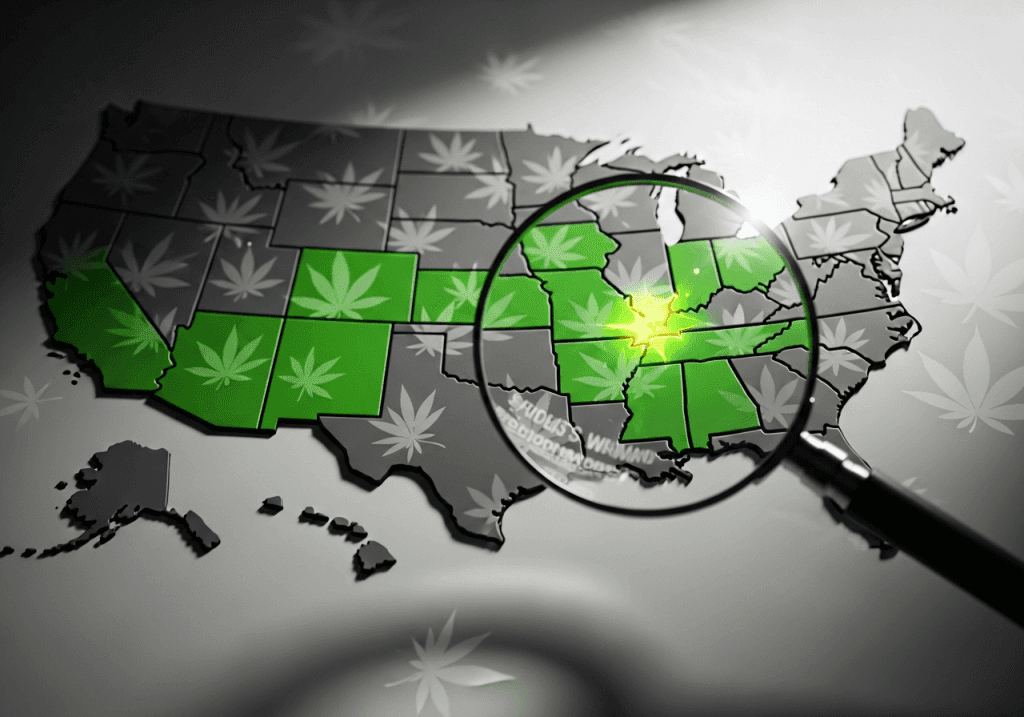
Cancer is recognized as a qualifying condition for medical marijuana in 40+ states and the District of Columbia, making it one of the most widely accepted indications for medical cannabis nationwide. The near-universal acceptance of cancer as a qualifying condition reflects the strong evidence supporting cannabis for cancer symptom management and the medical community’s growing recognition of its therapeutic value.
States Where Cancer Qualifies
Click on your state below to learn about specific requirements, costs, and application processes:
Alabama • Alaska • Arizona • Arkansas • California • Colorado • Connecticut • Delaware • Florida • Georgia • Hawaii • Illinois • Louisiana • Maine • Maryland • Massachusetts • Michigan • Minnesota • Mississippi • Missouri • Montana • Nevada • New Hampshire • New Jersey • New Mexico • New York • North Dakota • Ohio • Oklahoma • Oregon • Pennsylvania • Rhode Island • South Dakota • Utah • Vermont • Virginia • Washington • West Virginia • District of Columbia
Important: State Requirements Vary
While cancer is widely accepted as a qualifying condition, specific requirements differ significantly by state. Understanding these variations is crucial for successful application:
Documentation Requirements:
-
Medical Records: Most states require documentation of your cancer diagnosis from a licensed physician. This typically includes pathology reports, imaging results, or treatment records.
-
Oncologist Letter: Some states prefer or require a letter from your treating oncologist confirming your diagnosis and ongoing treatment.
-
Symptom Documentation: Certain states require documentation of specific cancer-related symptoms (pain, nausea, cachexia) that medical marijuana will address.
-
Recent Diagnosis: While most states accept any cancer diagnosis, a few require that the diagnosis be current or that you’re actively undergoing treatment.
Severity Criteria:
-
Stage Requirements: A few states specify that cancer must be at a certain stage (advanced, terminal, or causing debilitating symptoms) to qualify.
-
Symptom Severity: Some jurisdictions require that symptoms be “severe,” “debilitating,” or “unresponsive to conventional treatment.”
-
Life-Limiting Condition: States may classify cancer as a “life-limiting” or “terminal” condition, which can affect application processes and fees.
Treatment History:
-
Prior Medication Trials: Certain states require documentation that you’ve tried conventional treatments (antiemetics, pain medications) before qualifying for medical marijuana.
-
Ongoing Care: Some states require that you remain under active care from an oncologist while using medical marijuana.
-
Treatment Plans: A few states ask for integration of cannabis into your overall cancer treatment plan.
Residency Proof:
-
All states require proof of residency (driver’s license, utility bill, lease agreement)
-
Some states have minimum residency periods (30-90 days)
-
Temporary residence provisions exist in some states for cancer patients seeking treatment
Special Considerations for Cancer Patients:
-
Expedited Processing: Many states offer fast-track approval for cancer patients
-
Reduced Fees: Several states waive or reduce application fees for cancer patients
-
Caregiver Provisions: Most states allow designated caregivers for cancer patients who cannot access dispensaries themselves
-
Higher Purchase Limits: Some states allow cancer patients to purchase larger quantities due to greater medical need
State-Specific Highlights
California: Accepts cancer with minimal documentation requirements; allows cultivation for personal use; no dispensary purchase limits for cancer patients.
Florida: Requires two physician certifications; offers smokable flower for cancer patients; allows 90-day supply purchases.
New York: Accepts cancer causing severe or chronic pain, nausea, seizures, or cachexia; home delivery available; reduced fees for low-income patients.
Pennsylvania: Requires cancer diagnosis documentation; allows unlimited dispensary access; caregivers can assist with purchasing.
Illinois: Accepts cancer at any stage; expedited processing for terminal patients; tax exemptions for medical marijuana purchases.
Our physicians understand each state’s specific requirements and will guide you through the application process. During your consultation, your doctor will ensure all necessary documentation is prepared correctly for your state’s medical marijuana program.
Check Your State’s Requirements
How to Get Your Medical Marijuana Card for Cancer

Getting your medical marijuana card for cancer is a straightforward process that can be completed entirely online. Our streamlined system is designed specifically for cancer patients, with understanding that you’re dealing with significant health challenges and treatment burdens.
The 4-Step Process
Step 1: Complete Online Application
Fill out our HIPAA-compliant secure online form with your medical history and cancer-related information. The application takes just 5-10 minutes to complete and can be saved and resumed if needed.
What You’ll Need:
-
Valid government-issued ID (driver’s license, state ID, or passport)
-
Proof of state residency (utility bill, lease, or vehicle registration)
-
Cancer diagnosis documentation (pathology report, oncologist letter, or treatment records)
-
List of current medications and treatments
-
Description of symptoms you hope to manage with medical marijuana
Cancer-Specific Questions:
-
Type and stage of cancer
-
Current treatment regimen (chemotherapy, radiation, immunotherapy)
-
Specific symptoms affecting quality of life
-
Previous medications tried for symptom management
-
How symptoms impact daily functioning
Step 2: Consult with Licensed Physician
Schedule a video or phone consultation with a state-licensed physician who specializes in medical marijuana evaluations for cancer patients. Our doctors have extensive experience working with oncology patients and understand the unique challenges you face.
During Your Consultation:
-
Review your cancer diagnosis and treatment history
-
Discuss symptoms you want to address with medical marijuana
-
Evaluate whether cannabis is appropriate given your specific situation
-
Address any concerns about interactions with cancer treatments
-
Provide guidance on product selection, dosing, and consumption methods
-
Answer all your questions about medical marijuana use
Consultation Duration: Most cancer patient consultations take 15-20 minutes, though your doctor will take whatever time necessary to ensure you’re comfortable and informed.
Privacy and Compassion: Our physicians understand the sensitive nature of cancer diagnosis and treatment. All consultations are conducted with the utmost respect for your privacy and dignity.
Step 3: Receive Your Recommendation
If approved, you’ll receive your medical marijuana recommendation immediately after your consultation. This recommendation serves as your authorization to apply for your state medical marijuana card.
What You Receive:
-
Official physician recommendation letter on letterhead
-
State-specific application instructions
-
Guidance on dispensary access in your state
-
Dosing and product selection recommendations
-
Follow-up support contact information
Approval Rates: Cancer patients have extremely high approval rates, typically exceeding 95%. If your doctor determines medical marijuana isn’t appropriate for your situation, you’ll receive a full refund under our money-back guarantee.
Step 4: Access Medical Dispensaries
With your recommendation and state card (where required), you can legally purchase medical marijuana from licensed dispensaries in your state.
Dispensary Access:
-
Browse product selections online or in-person
-
Receive guidance from trained dispensary staff
-
Purchase cannabis products tailored to your needs
-
Access medical-grade products not available recreationally
-
Benefit from medical marijuana tax exemptions (in applicable states)
What to Expect During Your Evaluation
Your medical marijuana evaluation will be thorough yet compassionate, designed to ensure cannabis is safe and appropriate for your specific cancer situation.
Questions Your Doctor Will Ask:
About Your Cancer:
-
When were you diagnosed and with what type of cancer?
-
What stage is your cancer?
-
What treatments have you received or are currently receiving?
-
How has your cancer progressed or responded to treatment?
-
Do you have any cancer-related complications?
About Your Symptoms:
-
What symptoms are most affecting your quality of life?
-
How severe are your symptoms on a scale of 1-10?
-
What makes your symptoms better or worse?
-
How do symptoms impact daily activities and functioning?
-
What time of day are symptoms most problematic?
About Current Treatments:
-
What medications are you currently taking?
-
Which medications are for cancer treatment vs. symptom management?
-
Have you experienced side effects from current medications?
-
Are current treatments adequately controlling your symptoms?
-
Would you like to reduce reliance on certain medications (e.g., opioids)?
About Cannabis Experience:
-
Have you used cannabis before, medicinally or recreationally?
-
If yes, what products and how did they affect you?
-
Do you have concerns about psychoactive effects?
-
Are you interested in specific product types (THC vs. CBD)?
-
How do you prefer to consume medicine (smoking, edibles, tinctures)?
What Documentation You’ll Need:
Required Documentation:
-
Valid state ID or driver’s license
-
Proof of state residency
-
Cancer diagnosis documentation
Helpful Additional Documentation:
-
Recent oncologist visit notes
-
Current medication list
-
Treatment timeline
-
Lab results or imaging reports showing disease status
Special Note: If you don’t have all documentation readily available, don’t worry. Our physicians work with cancer patients daily and understand that accessing medical records can be challenging during treatment. We can often work with the information you have and help you obtain additional documentation if needed.
Timeline & Costs
Consultation Time: 15-20 minutes average (varies by individual needs)
Approval Time: Immediate recommendation upon consultation completion
State Card Processing: Varies by state
-
Same-day to 48 hours: Some states (Oklahoma, Missouri)
-
1-2 weeks: Most states
-
3-4 weeks: Some states (New York, Pennsylvania)
-
Expedited processing available for cancer patients in many states
Total Cost: $125-$300 (varies by state)
-
Physician consultation: $99-$150
-
State application fee: $0-$150 (many states waive or reduce fees for cancer patients)
-
Some states offer financial assistance programs
View Detailed Pricing by State
Money-Back Guarantee: If our physician determines you don’t qualify for medical marijuana, you’ll receive a full refund of the consultation fee, no questions asked.
Special Considerations for Cancer Patients
Expedited Processing: We prioritize appointments for cancer patients and offer same-day consultations when possible.
Caregiver Support: If you’re unable to attend the consultation yourself due to treatment or hospitalization, we can work with your designated caregiver to facilitate the process.
Treatment Coordination: We’re happy to communicate with your oncology team (with your permission) to ensure medical marijuana integrates safely with your cancer treatment plan.
Ongoing Support: Cancer is a journey, and we’re here throughout. Your initial consultation includes follow-up support via email and phone if questions arise as you begin using medical marijuana.
Financial Assistance: We work with cancer support organizations and can provide information on programs that may help with medical marijuana costs.
Start Your Application for Cancer Medical Marijuana Card
✓ HIPAA-compliant secure platform
✓ State-licensed physicians experienced with cancer patients
✓ Same-day appointments available
✓ Money-back guarantee if not approved
✓ Compassionate support throughout the process
Best Cannabis Strains & Products for Cancer

Selecting the right cannabis strain and product type can significantly impact your symptom relief and overall experience with medical marijuana. While individual responses vary based on your specific symptoms, cancer type, and personal body chemistry, certain strains have proven particularly effective for common cancer-related symptoms.
Recommended Cannabis Strains for Cancer
For Pain Relief & Sleep:
Northern Lights (Indica)
THC: 16-21% | CBD: <%
Best for: Nighttime pain relief, insomnia, muscle relaxation
Northern Lights is one of the most famous pure indica strains, beloved by cancer patients for its powerful relaxing effects without excessive sedation. This strain excels at managing severe pain, particularly bone pain and neuropathic pain from chemotherapy. Patients report feeling a wave of physical relaxation that eases muscle tension and joint pain while promoting restful sleep. The strain’s earthy, sweet flavor profile is generally well-tolerated even by those experiencing nausea. Best used in the evening or before bed, Northern Lights can help cancer patients achieve the restorative sleep often disrupted by pain and anxiety.
ACDC (High-CBD Hybrid)
THC: 1-6% | CBD: 14-20%
Best for: Daytime pain management without impairment, inflammation
ACDC represents the new generation of high-CBD strains developed specifically for medical use. With minimal THC, this strain provides significant pain and inflammation relief without psychoactive effects, making it ideal for cancer patients who need symptom management while maintaining mental clarity. ACDC is particularly effective for neuropathic pain, inflammatory pain, and anxiety. Many patients use ACDC during the day for baseline symptom control, then switch to higher-THC strains in the evening. The strain’s balanced effects make it suitable for cannabis beginners and those concerned about cognitive impairment.
For Nausea & Appetite:
Durban Poison (Sativa)
THC: 15-25% | CBD: <%
Best for: Morning nausea, energy, mood enhancement
Durban Poison is a pure African sativa known for energizing, uplifting effects that counter the fatigue and mood issues common in cancer treatment. Unlike many strains, Durban Poison provides symptom relief without sedation, making it excellent for daytime use. Cancer patients particularly value this strain for combating morning nausea and jumpstarting appetite before meals. The sweet, spicy flavor is generally pleasant even for those with altered taste from chemotherapy. Durban Poison’s mood-elevating properties can help address the depression and anxiety that often accompany cancer diagnosis and treatment.
Blueberry (Indica)
THC: 16-24% | CBD: <%
Best for: Nausea relief, appetite stimulation, pain management
Blueberry is a classic indica with a delicious berry flavor that makes it appealing even when experiencing taste changes from cancer treatment. This strain’s balanced effects address multiple cancer symptoms simultaneously: reducing nausea, stimulating appetite, relieving pain, and promoting relaxation. The pleasant taste and aroma can make the medicinal experience more enjoyable, which is particularly important for patients dealing with the unpleasant aspects of cancer treatment. Blueberry works well for evening use, helping patients eat dinner and relax into restful sleep.
For Anxiety & Mood:
Harlequin (High-CBD Sativa)
THC: 7-15% | CBD: 8-16%
Best for: Anxiety relief, mental clarity, daytime use
Harlequin is a CBD-rich sativa that provides anxiety relief and mood enhancement without significant impairment. The balanced THC:CBD ratio (often close to 1:1) creates an “entourage effect” where cannabinoids work synergistically for maximum therapeutic benefit. Cancer patients appreciate Harlequin for managing treatment-related anxiety, depression, and existential distress while maintaining focus and functionality. This strain is particularly valuable for those new to cannabis or concerned about psychoactive effects. The clear-headed calm it provides can help patients navigate appointments, family interactions, and daily life during cancer treatment.
Jack Herer (Sativa-Dominant Hybrid)
THC: 18-24% | CBD: <%
Best for: Depression, fatigue, creative energy
Named after the legendary cannabis activist, Jack Herer delivers uplifting, cerebral effects that combat the emotional weight of cancer. This strain excels at addressing depression, providing mental energy, and promoting a sense of well-being without overwhelming psychoactive effects. Cancer patients often use Jack Herer to counteract fatigue from treatment, find motivation for physical activity, or simply feel more like themselves. The strain’s spicy, piney flavor and energizing properties make it ideal for daytime use when you need symptom relief without sedation.
Product Types for Cancer Patients
Understanding different consumption methods helps you select products that match your specific needs, preferences, and physical abilities.
Flower (Smoking/Vaping)
Best for: Fast-acting breakthrough symptom relief, precise dose control
Pros:
-
Effects felt within 5-10 minutes
-
Easy to adjust dose puff by puff
-
Immediate relief for sudden nausea or pain
-
Most economical option per dose
-
Full entourage effect with all plant compounds
Cons:
-
Smoking may irritate lungs (use vaporizer instead)
-
Effects last only 2-4 hours
-
May be difficult for patients with respiratory issues
-
Requires equipment (pipe, vaporizer)
Best For Cancer Patients: Breakthrough nausea or pain that needs immediate relief; patients who want precise control over effects and dosing.
Edibles (Gummies, Chocolates, Baked Goods)
Best for: Long-lasting symptom control, overnight relief
Pros:
-
Effects last 6-8 hours or longer
-
No lung irritation
-
Discrete and easy to dose
-
Good for sustained pain, anxiety, or insomnia
-
Pleasant way to consume medicine
Cons:
-
Delayed onset (30-90 minutes)
-
Difficult to adjust dose once consumed
-
Stronger, more body-focused effects
-
Can be too intense if over-consumed
-
May be difficult to eat during severe nausea
Best For Cancer Patients: Maintaining baseline symptom control throughout the day or night; patients who cannot or prefer not to inhale; those needing sustained relief from pain or anxiety.
Tinctures/Oils (Sublingual)
Best for: Precise dosing, moderate onset time, flexible administration
Pros:
-
Effects begin in 15-45 minutes
-
Very precise dosing with dropper
-
Can be added to food or drinks
-
No lung irritation
-
Discrete and portable
-
Good shelf stability
Cons:
-
More expensive per dose than flower
-
Taste may be unpleasant for some
-
Effects last 4-6 hours (shorter than edibles)
-
Requires holding under tongue for best absorption
Best For Cancer Patients: Those who need precise dose control but want longer-lasting effects than smoking; patients with difficulty swallowing pills but can tolerate drops; those seeking a discrete, portable option.
Topicals (Creams, Balms, Patches)
Best for: Localized pain relief without systemic effects
Pros:
-
No psychoactive effects
-
Targets specific painful areas
-
Good for localized tumor pain or post-surgical pain
-
Easy to apply
-
Can be used alongside other cannabis products
Cons:
-
Only works for localized symptoms
-
Doesn’t address systemic symptoms like nausea or anxiety
-
More expensive per application
-
Effects limited to application area
Best For Cancer Patients: Localized bone pain, surgical site discomfort, or tumor-related pain in accessible areas; patients who want pain relief without any psychoactive effects; those using cannabis for the first time and wanting to test tolerance.
Capsules
Best for: Consistent dosing, no cannabis taste, discrete use
Pros:
-
Precise, consistent dosing
-
No taste or smell
-
Very discrete
-
Easy to incorporate into medication routine
-
Long-lasting effects (6-8 hours)
Cons:
-
Delayed onset similar to edibles
-
Difficult to swallow for some cancer patients
-
Can’t adjust dose after consumption
-
More expensive than some other options
Best For Cancer Patients: Those who want medicine that fits seamlessly into their existing medication regimen; patients who dislike cannabis taste; those needing consistent daily dosing.
THC vs CBD for Cancer
Understanding the different effects and benefits of THC and CBD helps you select products optimized for your specific symptoms.
When to Choose THC-Dominant Products (>10% THC, <% CBD):
-
Severe nausea and vomiting unresponsive to conventional antiemetics
-
Significant appetite loss or cachexia
-
Severe pain requiring strong analgesic effects
-
Insomnia due to pain or anxiety
-
When psychoactive effects are acceptable or desired
When to Choose CBD-Dominant Products (>10% CBD, <% THC):
-
Daytime symptom management without impairment
-
Anxiety or depression
-
Inflammation-related pain
-
When you want therapeutic benefits without “high” feeling
-
When starting cannabis therapy for the first time
-
If concerned about drug testing (though CBD can still trigger some tests)
When to Choose Balanced Products (1:1 or 2:1 CBD:THC):
-
Maximum therapeutic benefit through entourage effect
-
Moderate symptom control with minimal psychoactive effects
-
When CBD alone hasn’t been sufficient but you want to minimize THC
-
For most daytime use where some alertness is needed
-
Neuropathic pain (CBD and THC together appear more effective)
Understanding the Entourage Effect:
Research suggests that cannabinoids work better together than in isolation. THC and CBD can modulate each other’s effects: CBD can reduce THC’s psychoactive intensity and anxiety-causing potential, while THC enhances CBD’s therapeutic effects. This “entourage effect” extends to other cannabis compounds like terpenes and minor cannabinoids.
For cancer patients, balanced products often provide optimal symptom relief with manageable side effects. Many patients find that a 1:1 or 2:1 CBD:THC ratio offers the pain relief and appetite stimulation of THC with the anxiety reduction and mental clarity of CBD, creating an ideal therapeutic window.
Consulting with Budtenders:
Licensed dispensaries employ trained staff who can help you navigate product selection. When visiting a dispensary, share specific information about:
-
Your symptoms and their severity
-
Time of day you’ll use the product
-
Your cannabis experience level
-
Whether you can tolerate psychoactive effects
-
Any products you’ve tried and how they worked
Remember that budtenders cannot provide medical advice, but they can suggest products based on other patients’ experiences with similar symptoms.
Dosing & Consumption Methods for Cancer
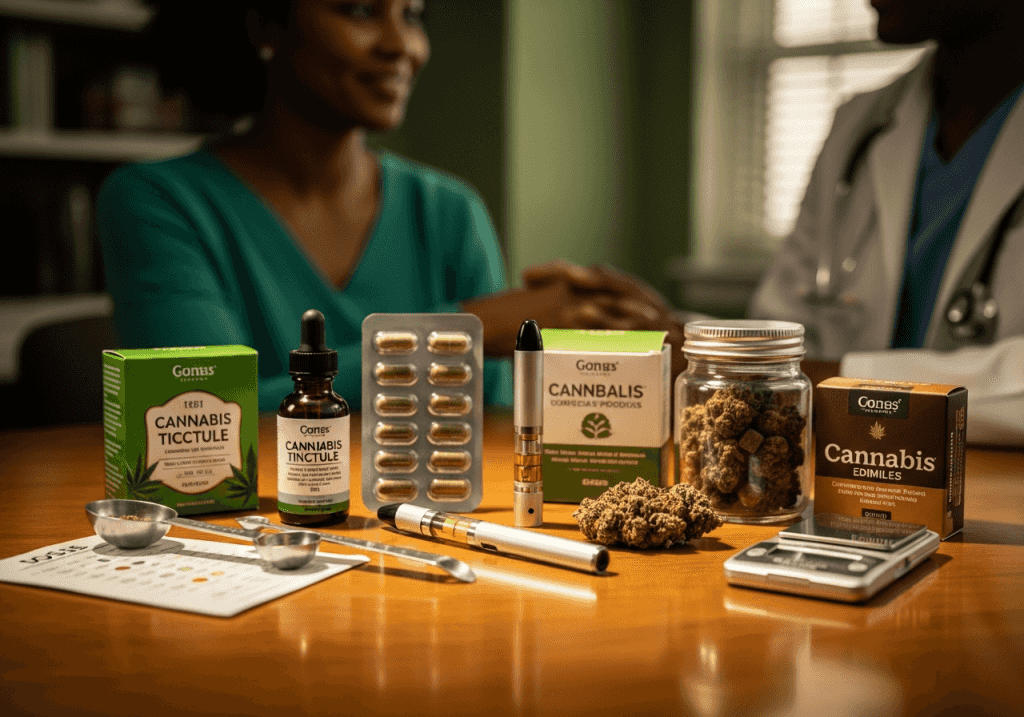
Finding your optimal medical marijuana dose is a personalized process that requires patience, careful observation, and often some trial and error. Cancer patients’ needs vary dramatically based on symptom severity, treatment regimen, prior cannabis experience, and individual body chemistry.
General Dosing Principles
Start Low, Go Slow
This fundamental principle of medical marijuana use is especially important for cancer patients, who may be taking multiple medications and dealing with treatment side effects. Beginning with the lowest effective dose minimizes the risk of adverse effects while helping you understand how cannabis affects your body.
For THC products, “low” means:
-
Inhalation: 1-2 puffs (approximately 2.5-5mg THC)
-
Edibles: 2.5mg THC
-
Tinctures: 2.5-5mg THC
-
Wait time before increasing: 24 hours for edibles, 2-3 hours for inhalation
For CBD products, starting doses can be higher since CBD doesn’t produce psychoactive effects:
-
Initial dose: 10-20mg CBD
-
Increase by: 5-10mg every few days until symptom relief achieved
-
Typical therapeutic dose: 20-40mg CBD, though some patients need more
Track Your Response
Keeping a cannabis journal provides invaluable information for optimizing your treatment:
Record for each use:
-
Date and time
-
Product name and cannabinoid content
-
Dose consumed
-
Consumption method
-
Symptoms before use (rated 1-10)
-
Time until effects noticed
-
Symptoms after use (rated 1-10)
-
Duration of relief
-
Any side effects
-
Other medications taken that day
This detailed tracking helps you identify patterns: which products work best for specific symptoms, optimal timing for doses, and whether tolerance is developing. Share this journal with your recommending physician during follow-up consultations.
Work with Your Medical Team
While not all oncologists are comfortable discussing medical marijuana, increasing numbers recognize its legitimate role in cancer symptom management. When possible:
-
Inform your oncologist about medical marijuana use
-
Discuss potential interactions with cancer treatments
-
Report any significant changes in symptoms or side effects
-
Ask about timing cannabis around chemotherapy or radiation
Your medical marijuana physician can serve as an advocate and resource, helping facilitate communication with your oncology team if needed.
Be Patient
Finding your optimal medical marijuana regimen takes time. Factors affecting your response include:
-
Cannabis tolerance (builds with regular use)
-
Metabolism speed (affects edible onset and duration)
-
Symptom fluctuations (pain and nausea vary day to day)
-
Treatment cycles (chemotherapy affects symptoms cyclically)
-
Individual endocannabinoid system variations
Allow yourself several weeks to experiment with different products, doses, and timing before concluding what works best. What seems ineffective at first might work perfectly at a different dose or time of day.
Starting Dose Recommendations by Method
| Method | Starting Dose | Frequency | Notes |
|---|---|---|---|
| Inhalation (Vape/Smoke) | 1-2 puffs (2.5-5mg THC) | As needed, max every 2-3 hours | Easiest to control; wait 10 minutes between puffs to assess effects |
| Edibles | 2.5mg THC | Once daily, increase every 3-5 days | Must wait 2 hours minimum before re-dosing; effects vary with food |
| Tinctures | 2.5-5mg THC or 10-20mg CBD | 1-2x daily | Hold under tongue 60-90 seconds for best absorption |
| Topicals | Apply thin layer to affected area | Up to 4x daily as needed | Start with small area to test for skin sensitivity |
| Capsules | 2.5-5mg THC | Once daily with food | Similar to edibles in onset and duration |
Titration Schedule Example:
Week 1: 2.5mg THC edible before bed
-
Monitor sleep quality and morning grogginess
-
Track overnight pain levels
Week 2: If tolerated well and benefits unclear, increase to 5mg THC
-
Continue monitoring same parameters
-
Note any improvement in symptoms
Week 3: If still insufficient relief, increase to 7.5mg THC OR add 10mg CBD
- Adding CBD may enhance pain relief without increasing psychoactive effects
Week 4: If experiencing benefits but want longer relief, add low-dose morning tincture (2.5mg THC + 10mg CBD)
- Monitor daytime symptom control and any impairment
This gradual approach prevents overwhelming side effects while systematically identifying your therapeutic dose.
Timing Cannabis Use for Optimal Cancer Symptom Relief
For Chemotherapy-Induced Nausea (CINV):
Anticipatory Nausea: Take cannabis 30-60 minutes before chemotherapy appointment
-
Use tincture or edible for sustained effect
-
Consider adding quick-acting inhalation option in waiting room if needed
Acute Nausea: Begins within 24 hours of chemotherapy
-
Use fast-acting inhalation for immediate relief
-
Follow with longer-acting edible to maintain anti-nausea effects
-
Dose every 3-4 hours as needed
Delayed Nausea: Occurs 2-5 days post-chemotherapy
-
Maintain regular dosing schedule (morning and evening edibles)
-
Keep inhalation product available for breakthrough nausea
For Cancer Pain:
Chronic Baseline Pain:
-
Morning: Low-dose THC+CBD tincture or capsule for all-day relief
-
Afternoon: Re-dose tincture if needed (typically 4-6 hours after morning dose)
-
Evening: Higher-dose edible 60-90 minutes before bed for overnight pain control
Breakthrough Pain:
-
Keep fast-acting inhalation product readily available
-
Use 1-2 puffs when pain spikes above baseline
-
Can use every 2-3 hours without interfering with baseline regimen
For Appetite and Weight Maintenance:
Best Timing:
-
15-30 minutes before planned meals (use THC-dominant product)
-
Morning and evening doses to stimulate three meals daily
-
Keep consistent schedule to establish eating routine
Product Selection:
-
Inhalation works quickly to stimulate immediate appetite
-
Low-dose THC edible can maintain appetite throughout the day
-
Strains high in terpene limonene may enhance appetite stimulation
For Anxiety and Mood:
General Anxiety:
-
Morning: CBD-dominant product (10-20mg) to establish baseline calm
-
Midday: Re-dose CBD as needed
-
Evening: Balanced THC:CBD product for relaxation
Anticipatory Anxiety (before appointments, scans):**
-
Take 30-60 minutes before stressful event
-
Use familiar product at known effective dose
-
Consider balanced product to avoid sedation during appointment
For Sleep Disturbance:
Insomnia from Pain:
-
Higher-dose THC-dominant edible 60-90 minutes before bed (10-20mg THC)
-
Indica-dominant strain preferred
-
May need breakthrough inhalation dose if awakened by pain
Insomnia from Anxiety:
-
Balanced THC:CBD product (5-10mg each cannabinoid)
-
Taken 60 minutes before bed
-
Combine with sleep hygiene practices
Special Timing Considerations:
Around Radiation Therapy:
-
Some patients use cannabis before radiation to reduce anxiety
-
Check with radiation oncologist about timing restrictions
-
Avoid smoking within hours of lung radiation
With Opioid Pain Medications:
-
Cannabis can enhance opioid effects (beneficial for pain, but increases sedation risk)
-
Time doses thoughtfully to avoid excessive sedation
-
May allow opioid dose reduction over time under physician guidance
During Recovery Periods:
-
Between chemotherapy cycles, some patients reduce cannabis use
-
Others maintain low-dose regimen for ongoing symptom management
-
Listen to your body and adjust as symptoms dictate
Managing Side Effects
Excessive Psychoactive Effects (“Too High”):
-
Consume CBD (counteracts THC effects)
-
Eat food (can reduce intensity)
-
Use black pepper (smell or chew peppercorns - terpenes help)
-
Rest in comfortable, calm environment
-
Remember effects are temporary and will pass
Dry Mouth:
-
Drink plenty of water before and after cannabis use
-
Use sugar-free lozenges or gum
-
Biotene or similar products help with severe dry mouth
-
Avoid caffeine which worsens dryness
Dizziness or Lightheadedness:
-
Start with lower doses
-
Sit or lie down when using cannabis
-
Stay well-hydrated
-
May indicate blood pressure changes - discuss with physician
Increased Anxiety:
-
Usually from too much THC
-
Reduce dose or switch to CBD-dominant product
-
Use balanced THC:CBD ratio
-
Avoid sativa strains if prone to anxiety
Cognitive Impairment:
-
Use lower THC doses
-
Choose CBD-dominant products for daytime
-
Avoid activities requiring alertness
-
Effects typically decrease with regular use (tolerance)
Remember that most side effects are dose-dependent and diminish with tolerance development. Starting low and increasing gradually minimizes adverse effects while finding your therapeutic window.
Patient Experiences with Medical Marijuana for Cancer
Hearing from others who have walked the cancer journey and used medical marijuana can provide valuable insights and reassurance. While these stories represent individual experiences and results vary, they illustrate the diverse ways cannabis can help cancer patients manage symptoms and maintain quality of life.
Important Note: These testimonials are based on patient self-reports and are for educational purposes only. Individual experiences vary significantly based on cancer type, treatment regimen, product selection, dosing, and personal body chemistry. Medical marijuana may not work for everyone. Always consult with healthcare providers before starting any new treatment.
Sarah M., Age 52 - Breast Cancer
California
“When I was diagnosed with stage III breast cancer, I was terrified—not just of the cancer itself, but of the chemotherapy I knew was coming. I’d heard horror stories about the nausea, and I have a terrible fear of vomiting. My oncologist prescribed standard anti-nausea medications, but I was determined to find something more.
A friend who’d been through chemo suggested medical marijuana. I was skeptical at first—I’d never used cannabis and honestly felt a bit uncomfortable with the idea. But after my first chemotherapy session left me unable to eat for three days despite the prescription medications, I decided to get my medical marijuana card.
The difference was remarkable. I started using a balanced CBD:THC tincture (10mg of each) about an hour before my chemotherapy appointments, and I could actually keep food down afterward. For breakthrough nausea, I used a vaporizer with a high-CBD strain, and within minutes I’d feel the nausea subside.
Beyond the nausea control, I noticed that cannabis helped me sleep through the night for the first time since my diagnosis. The anxiety that kept me awake worrying about my prognosis and my family melted away with a small bedtime edible. I could actually rest and let my body heal.
I’m now cancer-free and continuing with hormone therapy. I still use CBD tincture daily for joint pain from the hormone treatment. Medical marijuana didn’t cure my cancer, but it absolutely helped me tolerate the treatment that did. I don’t know if I could have completed all my chemotherapy cycles without it.”
Results: Significant reduction in chemotherapy-induced nausea; improved sleep quality; better anxiety management; successful completion of full cancer treatment protocol.
James T., Age 67 - Prostate Cancer
Florida
“I was diagnosed with aggressive prostate cancer that had spread to my bones. The bone pain was excruciating—worse than anything I’d experienced in my life, including a serious car accident years ago. My doctors prescribed opioid pain medications, which helped somewhat but left me constipated, confused, and feeling like a zombie.
I’d been against marijuana my whole life, to be honest. I thought it was just for people trying to get high. But when you’re in constant pain and the medications aren’t working well, you get desperate. My daughter researched medical marijuana for cancer pain and convinced me to at least talk to a doctor about it.
Getting my card was easier than I expected. The doctor understood my situation immediately and recommended a high-THC indica strain for nighttime and a balanced product for daytime pain management. I started with edibles, which gave me 6-8 hours of pain relief. For breakthrough pain, I learned to use a vaporizer, something I never thought I’d do at my age.
The cannabis didn’t eliminate my pain completely, but it reduced it from an 8-9 out of 10 to about a 4-5. More importantly, I could reduce my opioid use by about 60%. I’m more alert, my constipation improved dramatically, and I can actually enjoy time with my grandchildren instead of being in a fog all day.
I’ve been using medical marijuana for 18 months now alongside my cancer treatment. While my cancer isn’t cured, it’s stable, and my quality of life is far better than I thought possible when I was first diagnosed. I only wish I’d tried cannabis sooner.”
Results: 40-50% reduction in bone pain severity; 60% reduction in opioid medication use; resolution of opioid-related constipation; improved mental clarity and family engagement; stable cancer management.
Maria L., Age 44 - Ovarian Cancer
New York
“Ovarian cancer took everything from me—my health, my ability to work, my sense of myself as a vital, active person. The chemotherapy was brutal. I lost 30 pounds in two months because I simply couldn’t eat. Food tasted like metal, the smell of anything cooking made me nauseous, and my body was wasting away.
My oncologist mentioned medical marijuana almost casually, saying some patients found it helpful for appetite. I applied for my card immediately. Within a week, I had my first consultation with a cannabis doctor who really took time to understand my symptoms. She recommended a THC-dominant strain specifically for appetite stimulation and suggested trying small amounts before meals.
The first time I used cannabis, I couldn’t believe what happened. Within 20 minutes, I felt hungry for the first time in weeks. Not just a little hungry—actually craving food. I ate a full meal and kept it down. I cried with relief.
I developed a routine: small dose of cannabis 30 minutes before breakfast, lunch, and dinner. On chemotherapy days, I’d increase the dose slightly and add an anti-nausea strain. I gained back 15 pounds over the next two months, and my oncologist said my improved nutrition probably helped my body tolerate the aggressive treatment protocol.
I’m two years post-treatment now and cancer-free. I still use cannabis occasionally—not for appetite anymore, but for the anxiety that comes with cancer survivorship. Every scan, every follow-up appointment brings back that fear. A little CBD before appointments helps me stay calm and focused on healing rather than worrying about recurrence.”
Results: Restored appetite and ability to maintain nutrition during chemotherapy; regained 15 pounds of lost weight; improved treatment tolerance; ongoing anxiety management during survivorship; successful cancer remission.
Robert K., Age 58 - Lung Cancer
Pennsylvania
“Being diagnosed with lung cancer as a lifelong smoker felt like cosmic justice, honestly. I’d smoked cigarettes for 35 years, quit five years before diagnosis, and still ended up with stage III lung cancer. The irony wasn’t lost on me when my pulmonologist suggested medical marijuana might help with my symptoms.
I had significant pain in my chest from the tumor, severe anxiety about my prognosis, and horrific insomnia. Traditional pain medications helped somewhat, but the anxiety medications made me feel disconnected from my family during what might be my final time with them.
I was hesitant about cannabis, especially given my lung condition. I didn’t want to smoke anything. My medical marijuana doctor explained that I could use edibles, tinctures, or even topical products—no smoking required. I started with a low-dose edible at night for pain and sleep, and a CBD tincture during the day for anxiety.
The nighttime edible was a game-changer for sleep. I went from 2-3 hours of fragmented sleep to 6-7 hours of solid rest. My body could finally heal and recover. The CBD tincture didn’t eliminate my anxiety—how could it, given my situation?—but it took the edge off enough that I could be present with my wife and kids instead of being consumed by fear.
I’m grateful to say that after surgery and radiation, I’m cancer-free one year later. I’ve stopped the nighttime edibles since my pain resolved, but I still use CBD tincture daily. It helps me manage the ongoing anxiety of survivorship and the fear of recurrence. Medical marijuana didn’t cure my cancer, but it helped me endure treatment and maintain connection with my family during the hardest time of our lives.”
Results: Improved sleep quality from 2-3 hours to 6-7 hours nightly; reduced anxiety allowing meaningful family connection; effective pain management without smoking; successful cancer treatment completion; ongoing anxiety management.
Will I Qualify for a Medical Marijuana Card with Cancer?
Yes, almost certainly. Cancer is recognized as a qualifying condition in virtually all medical marijuana states, making it one of the most widely accepted indications for medical cannabis. Approval rates for cancer patients exceed 95%, as the medical community broadly recognizes cannabis’s therapeutic value for cancer symptom management.
You’ll qualify regardless of cancer type, stage, or treatment status. Whether you’re newly diagnosed, currently in treatment, in remission, or managing late-stage disease, you can access medical marijuana. Some states classify cancer as a “terminal” or “life-limiting” condition, which may provide additional benefits like expedited processing, fee waivers, or higher purchase limits.
Documentation requirements vary by state but are generally straightforward for cancer patients. Most states accept:
-
Pathology report confirming cancer diagnosis
-
Letter from your oncologist
-
Medical records showing cancer treatment
-
Hospital discharge summaries
-
Imaging results showing tumor presence
Your medical marijuana physician understands these requirements and will guide you through the documentation process specific to your state.
How Long Does it Take For Medical Marijuana to Work for Cancer Symptoms?
Onset time varies dramatically based on consumption method:
Inhalation (smoking/vaping): 5-10 minutes for initial effects, peak relief at 15-30 minutes. This makes inhalation ideal for breakthrough nausea or sudden pain episodes. Effects last 2-4 hours.
Sublingual tinctures: 15-45 minutes for initial effects, peak at 1-2 hours. Tinctures offer middle-ground timing—faster than edibles but longer-lasting than inhalation. Effects last 4-6 hours.
Edibles: 30-90 minutes for initial effects, peak at 2-3 hours. The delayed onset requires patience but provides longest-lasting relief (6-8 hours). Food in stomach affects timing—edibles work faster on empty stomach but may cause more intense effects.
Topicals: 15-30 minutes for localized relief. Only effective for pain at application site. No systemic effects or psychoactive properties.
Beyond acute symptom relief, therapeutic benefits often build over time. Many cancer patients report that cannabis works better after several days of consistent use as cannabinoids accumulate in the system and the endocannabinoid system adjusts. Full benefits for chronic symptoms like anxiety or baseline pain may take 1-2 weeks of regular use.
For chemotherapy-related symptoms, timing is crucial. Anti-nausea effects work best when cannabis is taken before nausea begins, either before chemotherapy or at the first sign of queasiness. Waiting until severe nausea develops makes it harder to achieve relief.
Can I use medical marijuana along with my current cancer medications?
Generally yes, but this requires careful consideration and communication with your healthcare team. Medical marijuana has a favorable interaction profile compared to many pharmaceuticals, but potential interactions exist.
Safe Combinations:
Cannabis typically combines safely with:
-
Most chemotherapy agents (may actually reduce side effects)
-
Radiation therapy (no known contraindications)
-
Immunotherapy (limited interaction data but generally compatible)
-
Hormone therapies for cancer
-
Many anti-nausea medications (may work synergistically)
-
Nutritional supplements
Combinations Requiring Caution:
Cannabis may enhance effects of:
-
Sedative medications (benzodiazepines, sleep aids)
-
Opioid pain medications (can increase sedation but may allow dose reduction)
-
Blood thinners (theoretical interaction, monitor INR if on warfarin)
-
Antidepressants (usually compatible but may enhance side effects)
Drug Interactions to Monitor:
THC and CBD are metabolized by liver enzymes (cytochrome P450 system) that also process many medications. High CBD doses can inhibit these enzymes, potentially affecting levels of:
-
Certain chemotherapy drugs (consult oncologist)
-
Anti-epileptic medications
-
Immunosuppressants
-
Some heart medications
Best Practices:
-
Inform all your doctors about medical marijuana use, including your oncologist, primary care physician, and medical marijuana doctor
-
Start with low doses to observe how cannabis interacts with your current medications
-
Monitor for changes in medication effectiveness or side effects
-
Don’t discontinue prescribed medications without consulting your prescribing physician
-
Space dosing if concerned about interactions—take cannabis 2-3 hours apart from other medications
Most interactions are manageable through dose adjustments or timing modifications. Your medical marijuana physician can review your complete medication list and identify any significant concerns. Many oncologists are increasingly comfortable with medical marijuana and can incorporate it safely into your treatment plan.
What are the Side Effects of Using Cannabis for Cancer?

Medical marijuana has a favorable safety profile compared to many conventional cancer medications, but side effects can occur. Understanding potential adverse effects helps you use cannabis safely and effectively.
Common Side Effects (Generally Mild):
Psychoactive Effects:
-
Euphoria or “high” feeling (THC-related)
-
Altered time perception
-
Changes in sensory perception
-
Difficulty concentrating (especially at higher doses)
-
Short-term memory impairment during use
Management: Use lower THC doses, choose CBD-dominant products, or time use when impairment is acceptable. Effects diminish with regular use as tolerance develops.
Physical Effects:
-
Dry mouth (very common)
-
Red eyes
-
Increased heart rate (usually temporary)
-
Dizziness or lightheadedness
-
Increased appetite (can be benefit or side effect)
Management: Stay hydrated, use eye drops if needed, sit down when using cannabis, start with low doses.
Cognitive Effects:
-
Drowsiness or sedation
-
Slowed reaction time
-
Difficulty with complex tasks
-
“Foggy” thinking
Management: Don’t drive or operate machinery after use, schedule use around activities requiring alertness, choose sativa strains for daytime if indica causes excessive sedation.
Less Common Side Effects:
Anxiety or Paranoia:
-
More likely with high THC doses
-
Individual sensitivity varies
-
Usually dose-dependent
Management: Reduce THC amount, increase CBD ratio, use familiar strains in comfortable settings, try black peppercorns (terpenes can reduce anxiety).
Gastrointestinal:
-
Nausea (paradoxically, though rare)
-
Increased appetite
-
Dry mouth affecting eating
Management: Adjust dose, try different consumption methods, stay hydrated.
Respiratory (Inhalation Only):
-
Coughing
-
Throat irritation
-
Potential bronchitis with heavy smoking
Management: Use vaporizer instead of smoking, switch to edibles or tinctures, reduce frequency.
Rare but Serious Side Effects:
Cannabis Hyperemesis Syndrome (CHS):
-
Paradoxical severe vomiting with heavy, long-term use
-
Very rare, but potentially serious
-
Requires cessation of cannabis use
Cardiac Concerns:
-
Temporary increased heart rate
-
Potential concern for those with serious heart disease
-
Consult cardiologist if you have cardiovascular conditions
Psychiatric:
-
Risk of triggering latent psychiatric conditions
-
Concern primarily for those with personal or family history of schizophrenia
-
Cancer patients with psychiatric history should use with caution
Important Considerations for Cancer Patients:
Immune System: Cannabis’s immunomodulatory effects are generally beneficial but theoretical concerns exist during active chemotherapy. Discuss with oncologist.
Drug Testing: Medical marijuana use may result in positive drug tests, potentially affecting employment or insurance. Know your rights under state medical marijuana laws.
Tolerance and Dependence: Regular use can lead to tolerance (requiring higher doses) and mild dependence (withdrawal symptoms if stopped abruptly). Take occasional tolerance breaks if possible.
Impairment: Never drive under the influence of cannabis. While less impairing than alcohol, cannabis affects coordination and reaction time.
Quality Control: Purchase only from licensed dispensaries to ensure product testing for contaminants, accurate labeling, and consistent potency.
Most cancer patients tolerate medical marijuana well, especially compared to side effects of chemotherapy, radiation, or opioid medications. Side effects are typically manageable through dose adjustment, product selection, or consumption method changes. When in doubt, consult your medical marijuana physician or oncologist.
How Much Does it Cost to Get a Medical Marijuana Card for Cancer?
Total costs for cancer patients vary by state but typically range from $125-$300 for the complete process:
Physician Consultation Fee: $99-$150
-
Video or phone consultation with licensed medical marijuana doctor
-
Includes medical evaluation and recommendation if approved
-
One-time fee (annual renewals may cost less)
-
Some services offer free follow-up consultations
State Application Fee: $0-$150
-
Varies significantly by state
-
Some states waive fees for cancer patients
-
Others offer reduced fees for patients with terminal conditions
-
A few states have no state card requirement (recommendation alone suffices)
Examples by State:
-
Oklahoma: No state fee (recommendation only needed)
-
Missouri: $25 reduced fee for cancer patients
-
California: Variable county fees, some reduced for cancer
-
New York: $50 state fee
-
Pennsylvania: No patient fee (doctor registers directly)
-
Florida: $75 state fee
Additional Cost Considerations:
Medical Marijuana Products: Once you have your card, you’ll purchase cannabis products from dispensaries. Costs vary widely:
-
Flower: $30-60 per eighth ounce (3.5g)
-
Edibles: $15-40 per package
-
Tinctures: $40-80 per bottle
-
Concentrates: $30-70 per gram
Monthly costs depend on your dosing needs, symptoms severity, and product preferences. Cancer patients typically spend $100-400 monthly on cannabis products.
Potential Savings and Assistance:
Tax Benefits:
-
Medical marijuana purchases are often exempt from recreational cannabis taxes (10-25% savings)
-
Some states allow medical tax deductions for cannabis as qualifying medical expense
Financial Assistance Programs:
-
Some cancer support organizations help with medical marijuana costs
-
Compassionate care programs at certain dispensaries offer discounts
-
Veterans may access cannabis at reduced cost in some states
-
Low-income patients may qualify for fee waivers
Insurance: Unfortunately, medical marijuana is not covered by health insurance (federal prohibition prevents this). This includes Medicare and Medicaid. You’ll pay out-of-pocket for consultation, state fees, and products.
Cost-Benefit Perspective:
While medical marijuana represents out-of-pocket expense, many cancer patients find it cost-effective compared to:
-
Multiple prescription medications with co-pays adding up
-
Emergency room visits for uncontrolled symptoms
-
Lost productivity or quality of life from poorly managed symptoms
Additionally, medical marijuana may allow reduced use of expensive prescription medications, creating indirect savings.
Our Commitment:
We offer:
-
Competitive consultation fees
-
Assistance with reduced-fee state applications where available
-
Information about financial assistance resources
-
Money-back guarantee if you’re not approved (consultation fee refunded)
Can Medical Marijuana Cure Cancer?
The short answer is no, medical marijuana is not a proven cancer cure, and it should never replace conventional cancer treatment.
This is perhaps the most important question to address clearly, as misinformation about cannabis “curing” cancer proliferates online and can lead desperate patients to make dangerous decisions.
What We Know from Research:
Laboratory Studies: Cannabinoids have demonstrated anti-cancer properties in petri dish (in vitro) studies:
-
Inducing apoptosis (cancer cell death)
-
Inhibiting angiogenesis (blood vessel formation that feeds tumors)
-
Preventing metastasis (cancer spread)
-
Reducing tumor growth in some cancer types
Animal Studies: Some studies in mice and rats have shown tumor reduction with cannabinoid treatment for certain cancer types, including:
-
Glioblastoma (aggressive brain cancer)
-
Breast cancer
-
Lung cancer
-
Pancreatic cancer
Critical Limitations:
What works in petri dishes and mice doesn’t necessarily translate to humans. The doses used in these studies often far exceed what humans could safely consume. The cancer environment in a living human body is vastly more complex than laboratory conditions.
Human Clinical Trials: Very limited human trials of cannabinoids as cancer treatment exist. A small number of studies investigating cannabinoids for glioblastoma have shown some promise but remain early-stage and inconclusive. No large-scale, rigorous clinical trials have demonstrated that cannabis cures any form of human cancer.
The Danger of False Hope:
Cancer patients are vulnerable to false promises. Unproven “miracle cures” can lead patients to:
-
Delay or refuse proven treatments (surgery, chemotherapy, radiation)
-
Spend money on unregulated products making false claims
-
Miss critical treatment windows when cancer is most treatable
-
Experience disease progression that could have been prevented
The Real Value of Medical Marijuana for Cancer:
While cannabis hasn’t been proven as a cancer cure, it offers substantial benefits:
Symptom Management:
-
Proven effective for pain, nausea, appetite loss, anxiety, insomnia
-
Often more tolerable than conventional medications
-
Addresses multiple symptoms simultaneously
Quality of Life:
-
Helps patients tolerate cancer treatment
-
Allows better nutrition and sleep
-
Reduces suffering during treatment and end-of-life care
Complementary Treatment:
-
May allow reduced use of opioids and other harsh medications
-
Potentially protects against some chemotherapy side effects
-
Supports overall well-being during treatment
Future Potential:
Research into cannabinoids’ anti-cancer properties continues. Future studies may reveal specific circumstances where cannabinoids enhance conventional treatments or address certain cancer types. However, this remains investigational and should be pursued only within clinical trials under medical supervision.
The Bottom Line:
If you have cancer, your best chance for cure or disease control lies with evidence-based conventional treatments: surgery, chemotherapy, radiation, immunotherapy, and targeted therapies. These treatments have decades of rigorous research supporting their use and have saved countless lives.
Medical marijuana is a valuable complementary tool for managing cancer symptoms and improving quality of life during treatment. It can help you tolerate the treatments that may cure your cancer, but it is not a replacement for those treatments.
Always discuss any complementary therapies, including cannabis, with your oncologist. A good doctor will support evidence-based complementary approaches while ensuring you receive the conventional treatments that offer the best chance of beating cancer.
Beware of:
-
Websites or products claiming cannabis “cures” cancer
-
Recommendations to abandon conventional treatment
-
Unregulated products promising miraculous results
-
Anyone discouraging you from consulting with oncologists
If something sounds too good to be true, it probably is. Your life depends on making informed decisions based on scientific evidence, not wishful thinking or anecdotal reports.






 Ask ChatGPT
  Ask Claude
  Ask Perplexity