

The medical cannabis industry has transformed dramatically in 2026, with over 40 states now offering comprehensive medical marijuana programs. Yet many patients still struggle with outdated, time-consuming processes to access the relief they need. Traditional in-person doctor visits, long waiting times, and complex state bureaucracies have created unnecessary barriers between patients and their medicine.
Fortunately, the rise of telemedicine has revolutionized how patients can obtain their medical cannabis cards. Today, you can complete the entire process online, from your initial doctor consultation to receiving your state-issued medical cannabis card, often within the same day.
This comprehensive guide will walk you through everything you need to know about getting your medical cannabis card online in 2026, including qualifying conditions, state requirements, costs, and the fastest, most reliable ways to get approved. Whether you’re dealing with chronic pain, PTSD, cancer treatment side effects, or other qualifying conditions, this guide will help you navigate the process with confidence.
Medical Marijuana Card Explained: How to Get Certified and What It Includes
A medical cannabis card, also known as a medical marijuana card or patient ID card, is an official state-issued document that provides legal authorization for qualified patients to purchase, possess, and use cannabis for medical purposes. This certification serves as your legal protection and gateway to accessing medical-grade cannabis products from licensed dispensaries.
Unlike recreational cannabis users, medical cannabis cardholders enjoy significant legal protections and practical benefits. Your medical cannabis certification demonstrates to law enforcement, employers, and other entities that your cannabis use is medically warranted and legally authorized under state law.
The medical marijuana card system operates independently from federal law, where cannabis remains federally classified as a Schedule I substance. However, individual states have established their own regulatory frameworks that provide robust legal protections for medical cannabis patients within state boundaries.
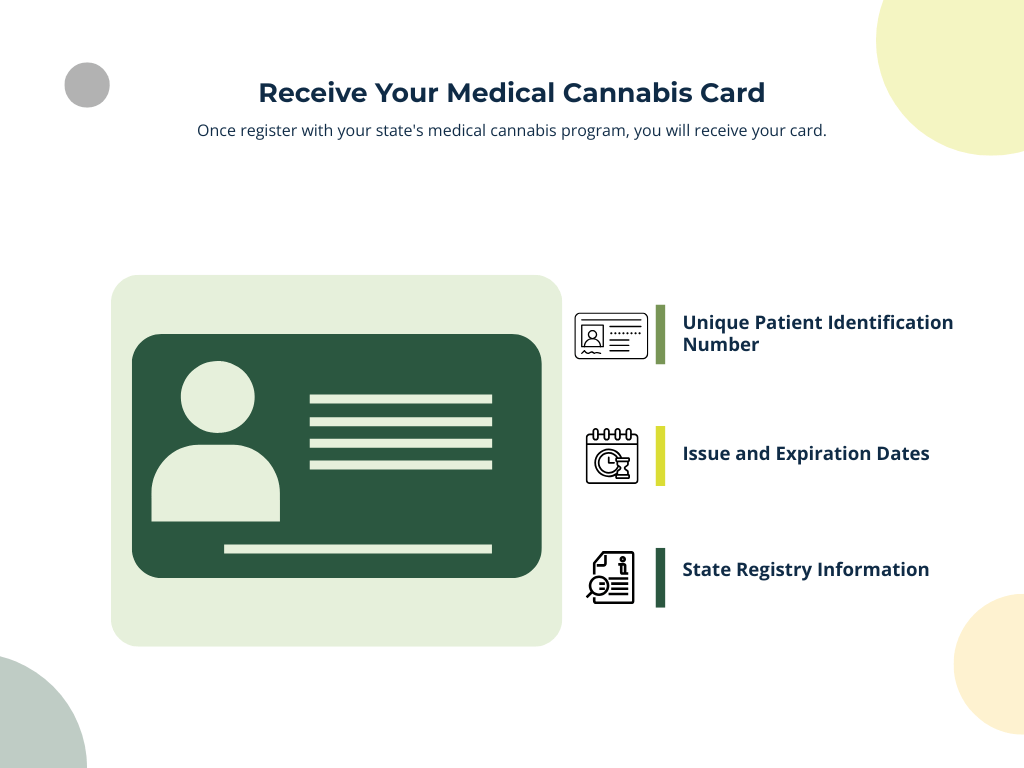
Medical cannabis cards typically include essential patient information, such as your name, photo, patient ID number, expiration date, and, in some cases, specific dosage recommendations from your certifying physician. Most states now offer both physical cards sent by mail and digital cards that can be downloaded immediately for faster access.
Key Legal Protections Include:
- Protection from state-level cannabis possession charges (within legal limits)
- Employment protections in many states
- Housing discrimination protections
- Parental rights protections in custody cases
- Legal standing to transport medical cannabis within state lines
The distinction between medical and recreational cannabis extends beyond legal protections. Medical cannabis programs typically offer higher possession limits, access to higher-potency products, priority service at dispensaries, and significant tax savings compared to recreational purchases.
Is Medical Marijuana Legal in Your State? | Complete State-by-State Guide
People who are wondering how to get medical marijuana card first need to know if it is legal in their state or not. This table provides an overview of medical marijuana and cannabis program laws across U.S. states and territories. It lists each state’s key legislative acts, the year they were passed, and whether the state allows retail sales or non-medical (adult) cannabis use.
| State | Statutory Language (year) | State Allows for Retail Sales/Non-Medical Use by Adults |
|---|---|---|
| Alabama | SB 46 (2021) Act 2021-450 | - |
| Alaska | Measure 8 (1998) SB 94 (1999) Statute Title 17, Chapter 37 | Yes. Ballot Measure 2 (2014) Marijuana Regulations |
| Arizona | Proposition 203 (2010) | Yes. Proposition 207 (2020) |
| Arkansas | Issue 6 (2016) | - |
| California | Proposition 215 (1996) SB 420 (2003) | Yes. Proposition 64 (2016) |
| Colorado | Amendment 20 (2000) | Yes. Amendment 64 (2012) |
| Connecticut | HB 5389 (2012) | Yes. SB 1201 (2021) |
| Delaware | SB 17 (2011) | Yes. Nonmedical adult-use legislation HB 1 and HB 2 (2023) |
| District of Columbia | Initiative 59 (1998, blocked by Barr Amendment) L18-0210 / Act B18-622 (2010) | Yes. Initiative 71 (2014) |
| Florida | Amendment 2 (2016) | - |
| Guam | Joaquin (KC) Concepcion II Compassionate Cannabis Use Act (2013) Proposal 14A (2014) | Yes. Bill No. 32-35 (2019) |
| Hawaii | SB 862 (2000) | - |
| Illinois | HB 1 (2013) | Yes. SB 0007 (2020) |
| Kentucky | SB 47 (2023) | - |
| Louisiana | SB 271 (2017) | - |
| Maine | Question 2 (1999) LD 611 (2002) Question 5 (2009) LD 1811 (2010) LD 1296 (2011) | Yes. Question 1 (2016) Chapter 409 (2018) |
| Maryland | HB 702 (2003) SB 308 (2011) HB 180/SB 580 (2013) HB 1101 – Chapter 403 (2013) SB 923 / HB 881 (2014) | Yes. Question 4 (2022) |
| Massachusetts | Question 3 (2012) Regulations (2013) | Yes. Question 4 (2016) |
| Michigan | Proposal 1 (2008) | Yes. Proposal 18-1 (2018) |
| Minnesota | SF 2471 Chapter 311 (2014) | Yes. HF 100 (2023) |
| Mississippi | SB 2095 (2022) | - |
| Missouri | Amendment 2 (2018) | Yes. Amendment 3 (2022) |
| Montana | Initiative 148 (2004) SB 423 (2011) Initiative 182 (2016) | Yes. Initiative 190 (2020) |
| Nebraska | Measure 437 (2024) Measure 438 (2024) | No. |
| Nevada | Question 9 (2000) NRS 453A NAC 453A | Yes. Question 2 (2016) |
| New Hampshire | HB 573 (2013) HB 89 (2021) | — |
| New Jersey | SB 119 (2010) NJ AB 21 (2021) | Yes. Public Question 1 (2020) |
| New Mexico | SB 523 (2007) | Yes. HB 2 (2021) |
| New York | A6357 (2014) | Yes. AB 1248A / SB 854 (2021) |
| North Dakota | Measure 5 (2016) NDCC 19-24.1 NDAC 33-44 | - |
| Northern Mariana Islands | No medical program | Yes. HB 20-178 HD 4 (Public Law 20-66, 2018) |
| Ohio | HB 523 (2016) | Yes. Issue 2 (2023) |
| Oklahoma | SQ 788 (2018) | - |
| Oregon | Oregon Medical Marijuana Act (1998) Oregon Health Authority Rules Chapter 333-008-0010 Chapter 475C | Yes. Measure 91 (2014) |
| Pennsylvania | SB 3 (2016) | |
| Puerto Rico | Public Health Department Regulation 155 (2016) | |
| Rhode Island | Chapter 28.6 Medical Marijuana Act (2007) | Yes. Chapter 28.11 Rhode Island Cannabis Act (2022) |
| South Dakota | Initiated Measure 26 (2020) | - |
| Texas | HB 46 (2025) | No. |
| US Virgin Islands | SB 135 (2017, signed 2019) | Yes. The Virgin Islands Cannabis Use Act 34-0345 (2022) |
| Utah | Prop 2 (2018) replaced by HB 3001 (2018) Utah Medical Cannabis Code | - |
| Vermont | SB 76 (2004) SB 7 (2007) SB 17 (2011) H.511 (2018) S.54 (2020) | Yes. S.54 (2020) |
| Virginia | H 1460 (2020) S 646 (2020) H 1617 (2020) S 976 (2020) | Yes. HB2312 and SB1406 (2021) |
| Washington | Initiative 692 (1998) SB 5798 (2010) SB 5073 (2011) | Yes. Initiative 502 (2012) |
| West Virginia | SB 386 (2017) | - |
Benefits of Getting Your Medical Cannabis Card Online
The evolution of telemedicine has transformed the medical marijuana card application process, making it more accessible, convenient, and cost-effective than ever before. Online medical marijuana doctor consultations now represent the preferred method for most patients seeking medical cannabis certification.
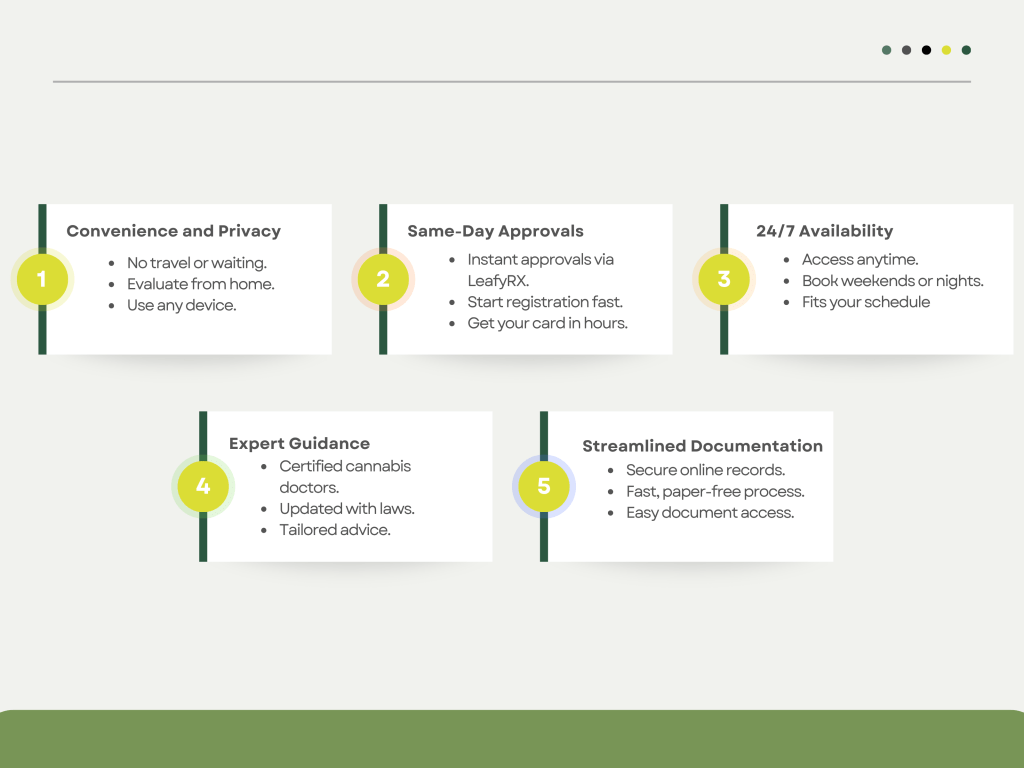
Convenience and Privacy
Online consultations eliminate the need to travel to a doctor’s office, sit in waiting rooms, or take time off work. You can complete your entire medical marijuana evaluation from the comfort and privacy of your own home, using any smartphone, tablet, or computer with internet access.
Same-Day Approvals
Many online platforms, including LeafyRX, offer same-day medical cannabis approvals. Once your consultation is complete and you’re approved, you can immediately begin the state registration process, often receiving digital access to your medical cannabis card within hours.
24/7 Availability
Unlike traditional medical offices with limited business hours, online medical cannabis platforms operate around the clock. This flexibility allows you to schedule consultations during evenings, weekends, or whenever it fits your schedule best.
Expert Guidance
Reputable online platforms employ licensed physicians who specialize in medical cannabis evaluations and stay current with evolving state regulations. These doctors understand the nuances of different state programs and can provide expert guidance on qualifying conditions, dosage recommendations, and state-specific requirements.
Streamlined Documentation
Online platforms handle much of the paperwork and documentation required for state registration, walking you through each step and ensuring your application is complete and accurate before submission.
2026 Guide to Medical Marijuana Laws by State
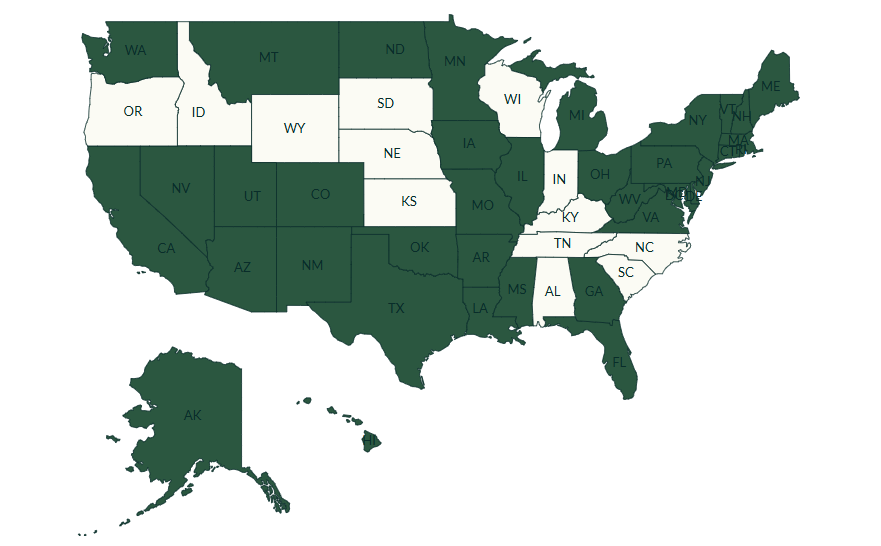
As of 2026, more than 40 U.S. states have legalized medical marijuana through organized programs. Each state manages its own qualifying medical conditions and possession limits. Most states approve medical marijuana for conditions such as chronic pain, PTSD, epilepsy, cancer, and multiple sclerosis. Possession limits usually range from 1 to 8 ounces, while cultivation rules differ. Some states allow a few homegrown plants, while others only permit use through licensed dispensaries. Dispensaries are now available in most legal states, offering cannabis in various forms such as oils, tinctures, and capsules. Patients must receive approval from a licensed healthcare provider and register with their state’s medical marijuana program.
| State | Qualifying Conditions (Summary) | What’s Allowed |
|---|---|---|
| Alabama | Autism Spectrum Disorder (ASD), Cancer, Weight loss, Chronic pain, Crohn’s disease, Depression, Epilepsy HIV/AIDS, Panic disorder, Parkinson’s disease, Persistent nausea, Cyclical vomiting syndrome, Cannabinoid Hyperemesis Syndrome, Post-Traumatic Stress Disorder (PTSD), Sickle Cell Anemia, Spasticity associated with Multiple Sclerosis or spinal cord injury, Multiple Sclerosis or a spinal cord injury, Terminal illness, Tourette’s Syndrome | Possession: Up to 70 daily doses (capsules, oils only) Recreational Possession: illegal Cultivation: Not allowed Dispensaries: Licensed |
| Alaska | Cancer, glaucoma, HIV/AIDS, chronic pain, nausea, seizures, Persistent muscle spasms, Hepatitis C, Amyotrophic Lateral Sclerosis (Lou Gehrig’s disease), Crohn’s disease, Alzheimer’s disease | Possession: 1 oz Recreational Possession: up to 1 oz (28 g) Cultivation: 6 plants (3 mature) Dispensaries: Licensed Caregivers: 1 patient max |
| Arizona | ALS, Alzheimer’s, cancer, glaucoma, hepatitis C, HIV/AIDS, PTSD, pain, seizures | Possession: 2.5 oz / 14 days Recreational Possession: 1 oz (28 g) Cultivation: 12 plants (if 25+ miles from dispensary) Dispensaries: Licensed |
| Arkansas | Cancer, Glaucoma, HIV/AIDS, Hepatitis C, Amyotrophic Lateral Sclerosis (ALS), Tourette’s Syndrome, Crohn’s Disease, Ulcerative Colitis, PTSD, Severe Arthritis, Fibromyalgia, Alzheimer’s Disease, Cachexia or wasting syndrome, Peripheral Neuropathy, Intractable pain, Severe nausea, Seizures including but not limited to epilepsy, Severe and persistent muscle spasms including Multiple Sclerosis, and any other medical condition approved by physician | Possession: 2.5 oz / 14 days Recreational Possession: illegal Cultivation: Not allowed Dispensaries: Licensed |
| California | Anorexia, Arthritis, Cachexia, Cancer, Chronic pain, Epilepsy, Glaucoma, HIV/AIDS, Migraine, Multiple sclerosis or Physicians may recommend medical marijuana for other illnesses | Possession: 8 oz Recreational Possession: 1 oz (28 g) Cultivation: 6 mature / 12 immature Dispensaries: Licensed statewide |
| Colorado | Cancer, glaucoma, HIV/AIDS, nausea, pain, seizures, PTSD | Possession: 2 oz Recreational Possession: 2 oz (57 g) Cultivation: 6 plants (3 mature) Dispensaries: Licensed statewide |
| Connecticut | Cachexia, Cancer, Crohn’s disease, certain spinal cord injuries, Epilepsy, Glaucoma, HIV/AIDS, Multiple Sclerosis, Parkinson’s disease, PTSD, Wasting Syndrome, and any other medical condition, medical treatment, or disease approved by the DCP. | Possession: 5 oz/month Recreational Possession: Carry up to 1.5 oz (43 g) or possess up to 5 oz (140 g) locked inside a home or trunk of a vehicle. Cultivation: 6 plants (3 mature) Dispensaries: Licensed |
| Delaware | LS, Alzheimer’s, AIDS, Autism with aggressive behavior, Cachexia, Cancer, chronic debilitating migraines, Glaucoma, intractable nausea, HIV, decompensated cirrhosis, PTSD, severe pain, severe nausea, seizures, or severe muscle spasms, and terminal illness. Anxiety and opioid use disorder have been denied, but CBD oil use has been approved for anxiety | Possession: 6 oz Recreational Possession: Up to 1 oz (28 g) & 12 g (4 oz) of concentrate Cultivation: Not allowed Dispensaries: Licensed “Compassion Centers” |
| Florida | Qualifying medical conditions include ALS, Cancer, chronic nonmalignant pain, Crohn’s disease, Epilepsy, Glaucoma, HIV/AIDS, post-traumatic stress disorder (PTSD), Amyotrophic lateral sclerosis, Multiple sclerosis, Parkinson’s disease, Seizures, and terminal illness with less than twelve months to live. Other conditions that may be eased by medical marijuana can also qualify if determined by a physician. | Possession: 2.5 oz / 35 days Recreational Possession: Illegal Cultivation: Not allowed Dispensaries: Licensed Medical Marijuana Treatment Centers |
| Hawaii | ALS, Cachexia, Cancer, chronic pain, Crohn’s disease, Epilepsy and other conditions characterized by seizures, Glaucoma, HIV/AIDS, Lupus, Multiple sclerosis, Nausea, post-traumatic stress disorder (PTSD), Rheumatoid arthritis, and Seizures. Other conditions may also qualify if approved by the state. | Possession: 4 oz Recreational Possession: Up to 0.11 oz Cultivation: 10 plants Dispensaries: Licensed statewide |
| Illinois | Alzheimer’s, Anorexia, Autism, Cancer, Glaucoma, HIV/AIDS, Hepatitis C, Muscular dystrophy, Crohn’s disease, Ehlers-Danlos Syndrome, Irritable bowel syndrome (IBS), Multiple sclerosis, Neuro-Bechet’s autoimmune disease, Neuropathy, Osteoarthritis, Chronic pancreatitis, Polycystic kidney disease, Post-traumatic stress disorder (PTSD), Spinal cord injury or disease, Terminal illness, and Traumatic brain injury (TBI). Other illnesses or conditions may also qualify for treatment with cannabis. | Possession: 2.5 oz / 14 days Recreational Possession: Up to 30 g (1.1 oz) of cannabis flower, 500 mg of THC in an infused product, and up to 5 grams of concentrate. Cultivation: 5 plants/household Dispensaries: Licensed statewide |
| Louisiana | Autism , self-injuring behavior, Alzheimer’s, ALS, Cachexia or wasting syndrome, Cancer, Concussion, Crohn’s disease, Epilepsy, Fibromyalgia or chronic pain, Glaucoma, HIV/AIDS, Huntington’s disease, Intractable pain, Lewy body dementia, Motor neuron disease, Muscular dystrophy, Multiple sclerosis, Parkinson’s disease, Post-traumatic stress disorder (PTSD), Seizures, Sickle cell disease, Spasticity, Spinal muscular atrophy, and other conditions that may benefit from medical marijuana as determined by a physician. | Possession: Legal to possess up to a “30-day supply” Recreational Possession: Illegal Cultivation: Not allowed Dispensaries: Licensed |
| Maine | Alzheimer’s disease, ALS, Cachexia, Cancer, Chronic pain, Crohn’s disease, Epilepsy and other conditions characterized by seizures, Glaucoma, Hepatitis C, HIV/AIDS, Huntington’s disease, Multiple Sclerosis, Nausea, Nail-Patella syndrome, Parkinson’s disease, Post-traumatic stress disorder (PTSD), and other conditions as determined by a doctor. | Possession: 2.5 oz Recreational Possession: Up to 2.5 oz (71 g) Cultivation: 6 mature / 12 immature Dispensaries: Licensed statewide |
| Maryland | Anorexia, Cachexia or wasting syndrome, Chronic pain, Glaucoma, Nausea, Seizures, Severe or persistent muscle spasms, Post-traumatic stress disorder (PTSD), and any severe condition for which other medical treatments have been ineffective. | Possession: 120g / 30 days Recreational Possession: Legal to possess up to 1.5 oz (42 g) & 12 g (.4 oz) of concentrate Cultivation: 4 plants/household Dispensaries: Licensed |
| Massachusetts | ALS, Cancer, Crohn’s Disease, Glaucoma, Hepatitis C, HIV/AIDS, Multiple Sclerosis, Parkinson’s disease, and any other conditions determined in writing by the patient’s physician. | Possession: 10 oz / 60 days Recreational Possession: Legal to possess up to 1 oz (28 g) in public or 10 oz (280 g) at home. Cultivation: 12 plants (6 mature) Dispensaries: Licensed |
| Michigan | Qualifying medical conditions include Agitation of Alzheimer’s, ALS, Arthritis, Autism, Cancer, Cerebral Palsy, Colitis, Crohn’s disease, Epilepsy, Glaucoma, HIV/AIDS, Hepatitis C, Inflammatory bowel disease, Lou Gehrig’s disease, Multiple sclerosis, Nail patella, Obsessive-compulsive disorder (OCD), Post-traumatic stress disorder (PTSD), Rheumatoid arthritis, Spinal cord injury, Tourette’s syndrome, Ulcerative colitis, Cachexia, Wasting syndrome, Severe and chronic pain, Severe nausea, Seizures, and Severe muscle spasms. | Possession: 2.5 oz Recreational Possession: Legal to possess up to 2.5 oz (71 g) in public or 10 oz (280 g) at home Cultivation: 12 plants Dispensaries: Legal since 2016 Caregivers: 21+, up to 5 patients |
| Minnesota | Autism spectrum disorder, ALS, Cancer, Cachexia, Crohn’s disease, Chronic motor or vocal tic disorder, Chronic pain, Glaucoma, HIV/AIDS, Inflammatory bowel disease, Intractable pain, Irritable bowel syndrome (IBS), Multiple sclerosis, Obstructive sleep apnea, Obsessive-compulsive disorder (OCD), Seizures, Severe and persistent muscle spasms, Sickle cell disease, Terminal illness with a life expectancy of less than one year, and Tourette’s Syndrome. | Possession: Up to 2.5 oz (71 g) every 14 days. Recreational Possession: Up to 2 lbs (2 oz in public), 8 g of concentrate, and 800 mg of infused edibles. Cultivation: 8 plants of which only 4 can be mature at a time. Dispensaries: Licensed |
| Mississippi | Autism, Alzheimer’s disease, Cancer, Crohn’s disease, Diabetic or peripheral neuropathy, Dementia with agitation, Glaucoma, HIV/AIDS, Hepatitis, Huntington’s disease, Muscular dystrophy, Pain refractory to appropriate opioid management, Parkinson’s disease, Post-traumatic stress disorder (PTSD), Sickle cell anemia, Spastic quadriplegia, Spinal cord disease or severe injury, and Ulcerative Colitis. | Possession: 3.5g3 oz (85 g) per month Recreational Possession: Illegal Cultivation: Not allowed Dispensaries: Licensed |
| Missouri | AIDS/HIV, ALS, Alzheimer’s agitation, any terminal illness, Autism, Cachexia, Cancer, Crohn’s disease, Debilitating psychiatric disorders, Epilepsy, Glaucoma, Huntington’s Disease, Inflammatory bowel disease, Intractable migraines, Neuropathies, Post-traumatic stress disorder (PTSD), Sickle cell anemia, Wasting syndrome, any chronic medical condition, Seizures, Parkinson’s disease, and Tourette’s syndrome. | Possession: 6 oz / 30 days Recreational Possession: Up to 3 oz (85 g) Cultivation: 6 flowering + 6 immature Dispensaries: Licensed statewide |
| Montana | Qualifying medical conditions include AIDS/HIV, Cachexia, Cancer, severe or chronic pain, Crohn’s disease, Epilepsy, severe nausea, hospice care admittance, Multiple Sclerosis and other muscle spasticity disorders, painful peripheral neuropathy, and PTSD. | Possession: 1 oz/day (5 oz/month) Recreational Possession: Legal to possess up to 1 oz (28 g) & 8 g of concentrates Cultivation: 4 flowering + 4 seedling Dispensaries: Licensed |
| Nevada | AIDS/HIV, Anxiety, Anorexia Nervosa, Autism Spectrum Disorder, Autoimmune Disease, Cachexia, Cancer, Glaucoma, Opioid dependence, neuropathic conditions, persistent muscle spasms or seizures, including multiple sclerosis and epilepsy, and severe nausea or chronic pain | Possession: 2.5 oz Recreational Possession: Legal to possess up to 2.5 oz (71 g) & one fourth of an oz (7 g) of concentrate. Cultivation: Limit is 6 plants for recreational use and 12 plants for medical use. Dispensaries: Licensed statewide |
| New Hampshire | ALS, cancer, Crohn’s, epilepsy, glaucoma, lupus, MS, Parkinson’s, PTSD, severe pain, nausea | Possession: 2 oz / 10 days Recreational Possession: Illegal Cultivation: Not allowed Dispensaries: 7 “Alternative Treatment Centers” |
| New Jersey | AIDS/HIV, ALS, Anxiety, Cancer, inflammatory bowel disease, Dysmenorrhea, Epilepsy, Glaucoma, Lou Gehrig’s Disease, Migraine, Multiple Sclerosis, Muscular Dystrophy, | Possession: 3 oz / 30 days Recreational Possession: Legal to possess up to 6 oz (170 g). Cultivation: Not allowed Dispensaries: 9 “Compassion Centers” |
| New Mexico | Alzheimer’s Disease, ALS, Anxiety Disorder, Autism Spectrum Disorder, Cancer, Crohn’s Disease, damage to the nervous tissue of the spinal cord resulting in intractable spasticity, Epilepsy or seizure disorders, Friedreich’s Ataxia, Glaucoma, Hepatitis C infection currently being treated with antiviral medications, hospice care patients, Huntington’s disease, Inclusion Body Myositis, inflammatory autoimmune-mediated arthritis, insomnia, intractable nausea or vomiting, Lewy Body Disease, Multiple Sclerosis, Obstructive Sleep Apnea, Opioid Use Disorder, painful peripheral neuropathy, Parkinson’s disease, PTSD, severe anorexia or cachexia, severe chronic pain, Spasmodic Torticollis (Cervical Dystonia), Spinal Muscular Atrophy, and Ulcerative Colitis. | Possession: 8 oz (15 oz / 3 mo) Recreational Possession: Up to 2 oz (57 g) Cultivation: 12 seedlings + 4 mature Dispensaries: Licensed |
| New York | Any condition deemed appropriate by certified healthcare provider | Possession: 5 lbs (60-day supply) Recreational Possession: Up to 3 oz (85 g) of cannabis or 24 g of concentrates at home and 3 oz (85 g) in public or gifting without remuneration. Cultivation: 6 plants (3 mature, 3 immature), with a limit of twelve per household . Dispensaries: Licensed |
| North Dakota | AIDS/HIV, Alzheimer’s Disease (agitation), ALS, Anorexia Nervosa, Anxiety Disorder, Autism Spectrum Disorder, Brain Injury, Bulimia Nervosa, Cancer, Crohn’s Disease, Decompensated Cirrhosis (Hepatitis C), Ehlers-Danlos Syndrome, Endometriosis, Epilepsy, Fibromyalgia, Glaucoma, Interstitial Cystitis, Migraine, Neuropathy, PTSD, Rheumatoid Arthritis, Spinal Stenosis, Chronic Back Pain, Tourette Syndrome, Multiple Sclerosis. | Possession: 3 oz cannabis, 6000mg THC Recreational Possession: Illegal Cultivation: Not allowed Dispensaries: 8 max statewide |
| Ohio | AIDS/HIV, ALS, Cancer, Chronic Traumatic Encephalopathy, Crohn’s Disease, Epilepsy or another seizure disorder, Fibromyalgia, Glaucoma, Hepatitis C, Inflammatory Bowel Disease, Multiple Sclerosis, Chronic or intractable pain, Parkinson’s Disease, PTSD, Sickle Cell Anemia, Spinal Cord Disease or Injury, Tourette’s Syndrome, Traumatic Brain Injury, Ulcerative Colitis, Arthritis, Chronic Migraines, Complex Regional Pain Syndrome, Degenerative Disc Disease, Lupus. | Possession: 90-day supply Recreational Possession: Legal to possess up to 2.5 oz (71 g) and up to 15 grams of cannabis concentrates. Cultivation: 6 plants/person, 12 plants per household. Dispensaries: 120 licensed |
| Oklahoma | Patients under 18 years old: Lennox-Gastaut Syndrome, Dravet Syndrome, other forms of severe epilepsy not adequately treated by traditional medical therapies Patients 21 years : Anorexia, Anxiety, Bulimia, Cachexia, Cancer, Chronic Pain, Crohn’s Disease, Epilepsy and other seizure disorders, Glaucoma, Inflammation, Insomnia, Muscle Spasms, Neuropathic Pain Disorders, Severe Nausea, Spasticity related to medical conditions, Terminal Illness, Wasting Syndrome | Possession: 8 oz (230 g), 1 oz (28 g) of concentrate, and 72 oz (2 kg) of edibles in a residence. Patients are able to possess up to 3 oz (85 g) in public. Recreational Possession: Illegal Cultivation: six plants & 6 seedlings per person. Dispensaries: Licensed |
| Oregon | AIDS/HIV, cancer, glaucoma, PTSD, seizures, pain, muscle spasms, nausea | Possession: 24 oz Recreational Possession: up to 2 oz (57 g) in public or 8 oz (230 g) at home. Cultivation: 6 mature + 18 immature Dispensaries: Licensed statewide |
| Pennsylvania | AIDS/HIV, ALS, Anxiety disorders, Autism, Cancer (including remission therapy), Chronic Hepatitis C, Crohn’s disease, Damage to nervous tissue of the central nervous system with intractable spasticity, Dyskinetic and spastic movement disorders, Epilepsy, Glaucoma, Huntington’s Disease, Inflammatory Bowel Disease, Intractable seizures, Multiple Sclerosis, Neurodegenerative diseases, Neuropathies, Opioid use disorder, Parkinson’s disease, PTSD, Severe chronic or intractable pain, Sickle cell anemia, Terminal illness, Tourette Syndrome | Possession: 90-day supply Recreational Possession: Illegal Cultivation: Not allowed Dispensaries: 50 licensed (3 per site) |
| Rhode Island | AIDS/HIV, cancer, Alzheimer’s, autism, Crohn’s, epilepsy, glaucoma, pain, PTSD | Possession: 2.5 oz Recreational Possession: Legal to possess up to 1 oz (28 g) Cultivation: 12 mature + 12 immature Dispensaries: 7 “Compassion Centers” |
| South Dakota | ALS, cancer, Crohn’s, epilepsy, MS, PTSD, chronic pain, nausea | Possession: 3 oz Cultivation: 2 mature + 2 immature Dispensaries: Licensed |
| Utah | Acute pain lasting 2 weeks or longer, AIDS/HIV, Alzheimer’s disease, ALS, Autism, Cancer, Cachexia, Hospice care condition, Crohn’s disease, Ulcerative colitis, Rare diseases affecting fewer than 200,000 individuals, Epilepsy, Debilitating seizures, Multiple Sclerosis, Persistent and debilitating muscle spasms, PTSD, Persistent nausea, Terminal illness with life expectancy under six months | Possession: 113g flower / 20g THC (30-day) Cultivation: Not allowed Dispensaries: 15 pharmacies |
| Vermont | AIDS/HIV, cancer, Crohn’s, glaucoma, MS, Parkinson’s, PTSD, pain, nausea, seizures | Possession: 2 oz Cultivation: 2 mature + 7 immature Dispensaries: 5 licensed |
| Virginia | Any debilitating medical condition approved by a licensed provider | Possession: Up to 4 oz (113 g) per 30-day period Recreational Possession: Legal to possess up to 1 oz (28 g) in public; no limit applies at home. Cultivation: 4 plants/household Dispensaries: 5 total Caregivers: Up to 2 patients |
| Washington | Cancer, Crohn’s, epilepsy, glaucoma, hepatitis C, HIV, MS, PTSD, chronic pain, TBI | Possession: 3–8 oz Cultivation: 6 plants (15 if authorized) Dispensaries: Licensed statewide |
| West Virginia | ALS, cancer, Crohn’s, epilepsy, HIV/AIDS, MS, PTSD, terminal illness | Possession: 30-day supply (dispensed form only) Cultivation: Not allowed Dispensaries: Licensed |
Ready to start your journey to medical cannabis relief?
If you are still wondering how to get medical marijuana card, LeafyRX makes it simple, fast, and affordable. Our licensed physicians are available in all 50 states with active medical cannabis programs, offering same-day approvals with a 100% money-back guarantee.
Start Your Application Today →
Take the first step toward natural, legal relief. Schedule your online consultation today and join thousands of patients who have already discovered the LeafyRX difference.
Step-by-Step Guide on How to Get Medical Marijuana Card Online
Getting your medical cannabis card online has been streamlined into a simple, user-friendly process that most patients can complete in under an hour. Here’s exactly how to get medical marijuana card online:
Step 1: Check Your State’s Eligibility
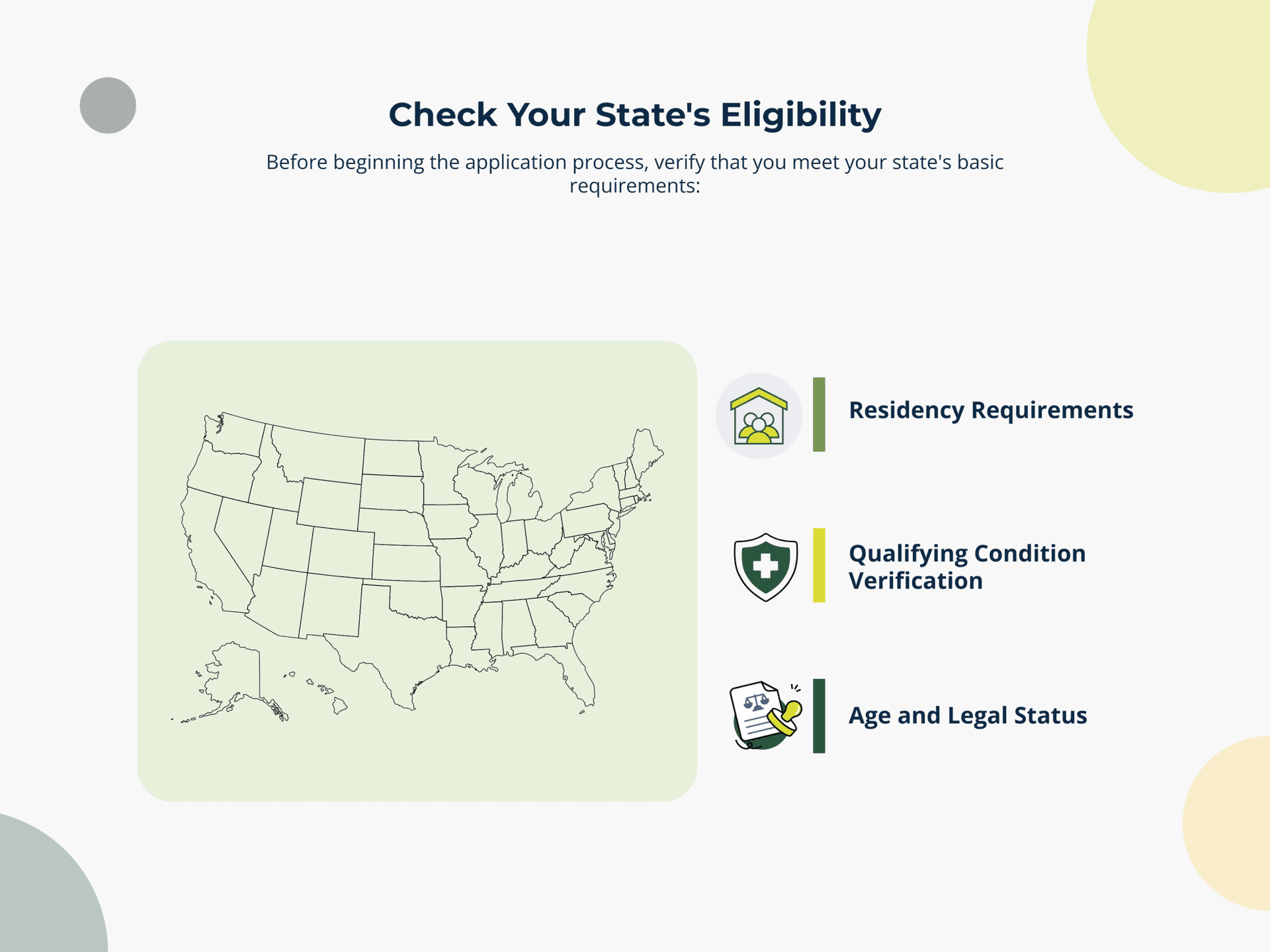
Before beginning the application process, verify if your state has legalized the use of medical marijuana products:
Residency Requirements
-
Valid state-issued ID or driver’s license
-
Proof of current address (utility bills, lease agreements, or bank statements)
-
Some states require 90+ days of residency before applying
Qualifying Condition Verification
-
Review your state’s list of qualifying conditions
-
Gather any relevant medical records or documentation
-
Consider whether your symptoms align with approved conditions
Age and Legal Status
-
Confirm you meet the minimum age requirements
-
Ensure you have the legal capacity to enter medical agreements
Step 2: Gather Required Documents
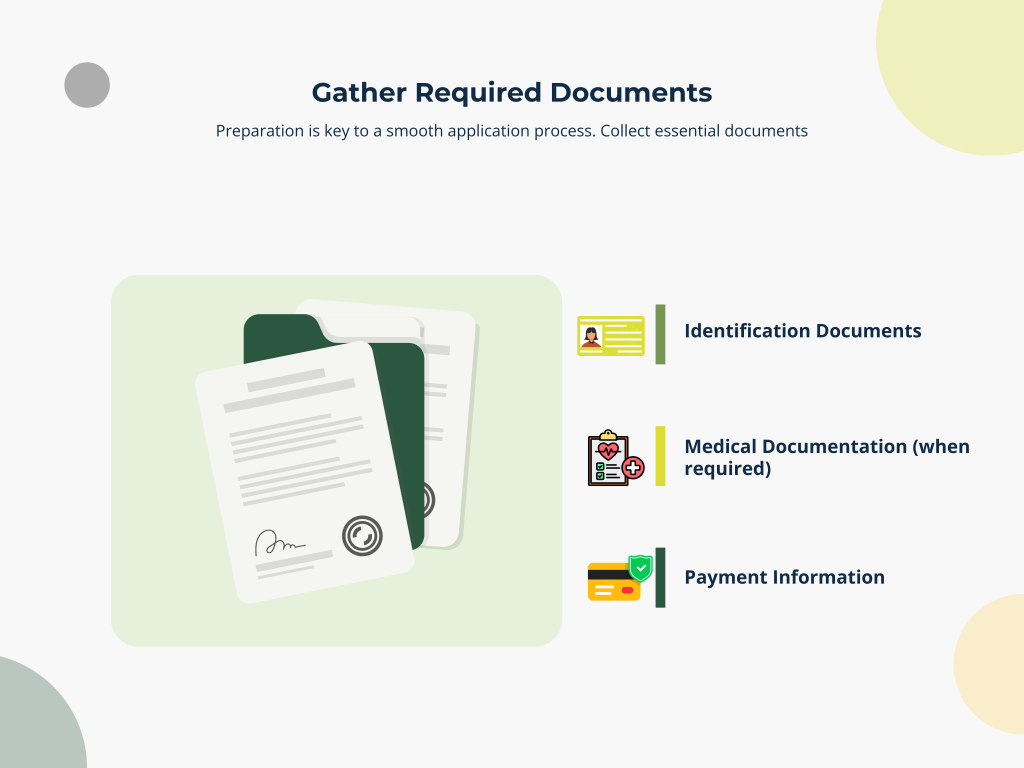
Preparation is key to a smooth application process. Collect these essential documents:
Identification Documents
-
Current state-issued driver’s license or ID card (must be physical, not digital)
-
Social Security number
-
Proof of residency if your ID doesn’t reflect your current address
Medical Documentation (when required)
-
Previous medical records related to your condition
-
Current medication lists
-
Treatment history and previous therapies attempted
-
Specialist reports or diagnostic test results
Payment Information
-
Credit card or bank account for consultation and state fees
-
Budget for total costs, including consultation and state registration
Step 3: Choose a Licensed Telemedicine Provider
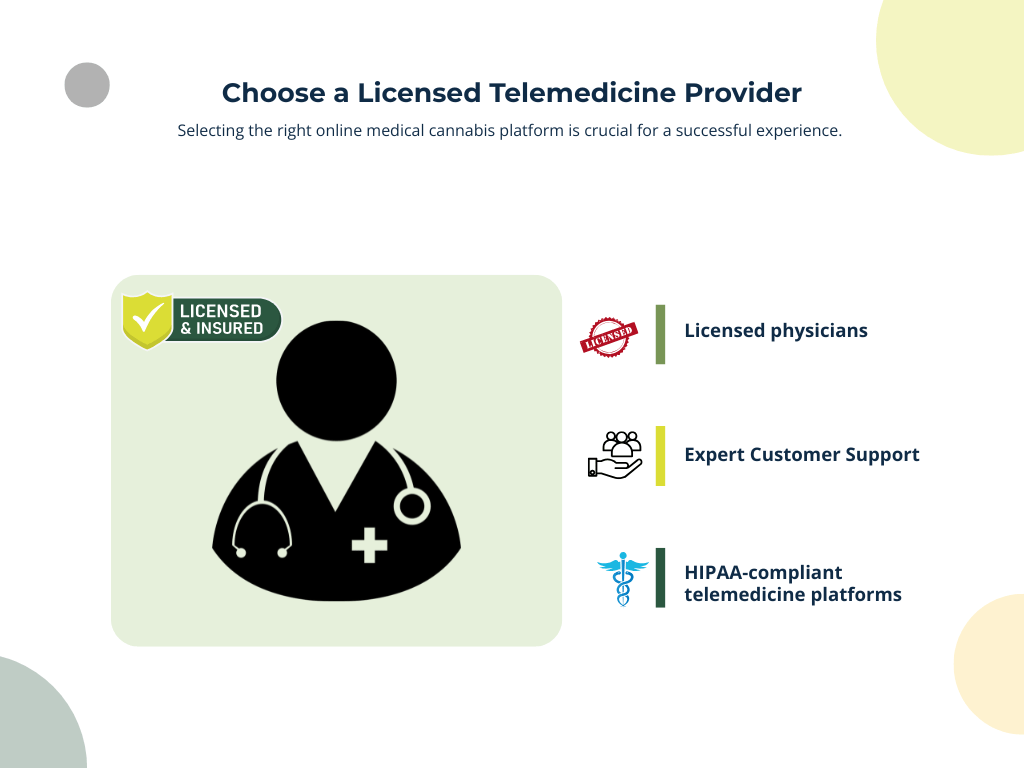
Selecting the right online medical cannabis platform is crucial for a successful experience. Consider these factors:
LeafyRX Advantages
still thinking about how to get medical marijuana card? LeafyRX stands out as a leading online medical cannabis platform offering:
-
Licensed Doctors in All 50 States: Our network includes licensed physicians qualified to provide medical cannabis evaluations in every state with active medical cannabis programs
-
100% Money-Back Guarantee: If our doctors cannot certify you for medical cannabis, you receive a full refund
-
Same-Day Approvals: Most patients receive their medical cannabis certification within hours of their consultation
-
Comprehensive State Registration Support: We guide you through every step of your state’s registration process
-
Expert Customer Support: Dedicated support team available to answer questions and assist with the process
What to Look for in Online Providers
-
Licensed physicians in your state
-
Transparent pricing with no hidden fees
-
Positive patient reviews and testimonials
-
Clear money-back guarantee policies
-
HIPAA-compliant telemedicine platforms
-
Ongoing support throughout the state registration process
Step 4: Schedule Your Online Consultation
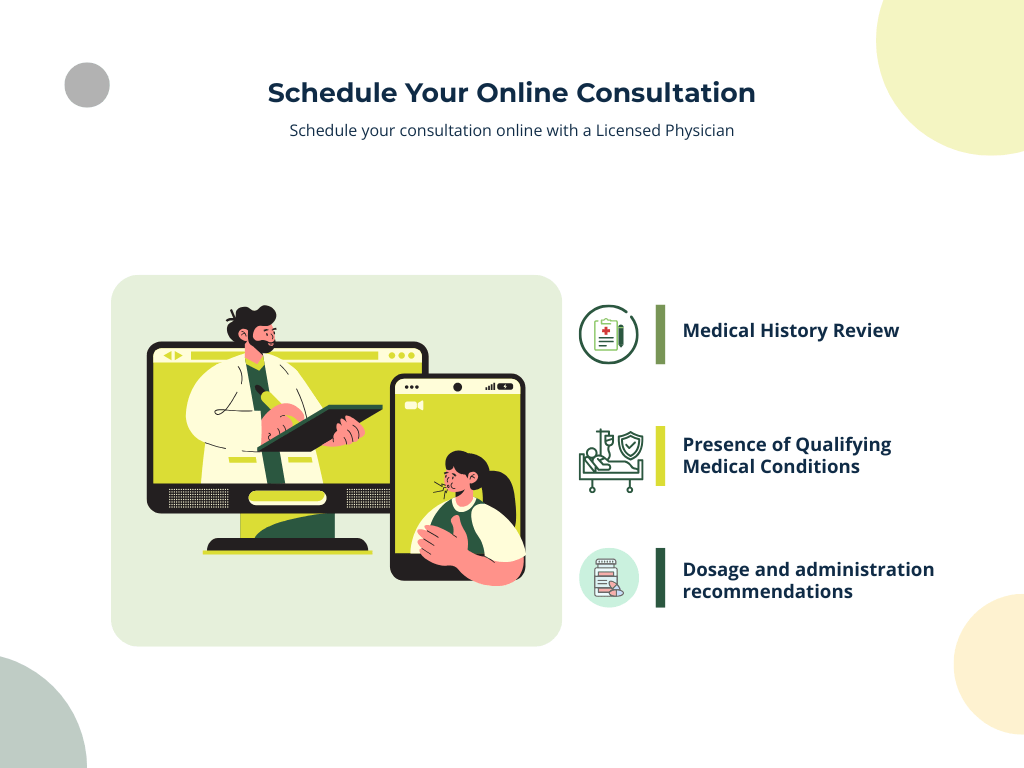
Booking Your Appointment
Most online platforms offer easy online scheduling:
-
Choose from available appointment times, including evenings and weekends
-
Receive confirmation emails with consultation details
-
Download any required telemedicine apps or access web-based platforms
Preparing for Your Consultation
-
Test your internet connection and camera/microphone functionality
-
Prepare to discuss your medical condition and symptoms
-
Have all required documents readily available
-
Choose a private, quiet location for your video call
What to Expect During the Video Call
Your consultation will typically last 10-15 minutes and include:
-
Medical history review and symptom discussion
-
Current medication and treatment review
-
Discussion of how cannabis might benefit your condition
-
Explanation of state laws and regulations
-
Dosage and administration recommendations
Doctor Evaluation Criteria
Licensed physicians evaluate several factors:
-
Presence of qualifying medical conditions
-
Severity and impact of symptoms on daily life
-
Previous treatment attempts and effectiveness
-
Patient’s understanding of medical cannabis laws
-
Absence of contraindications or risk factors
Step 5: Complete State Registration
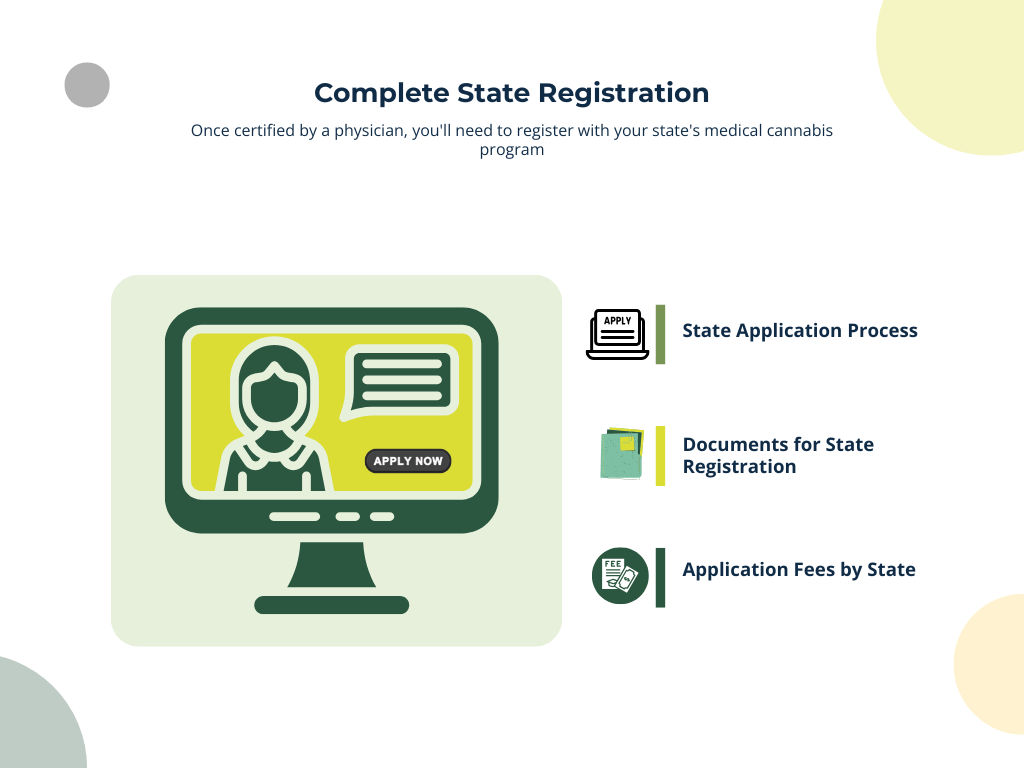
Once certified by a physician, you’ll need to register with your state’s medical cannabis program:
State Application Process
-
Create an account on your state’s medical cannabis registry website
-
Upload required documents, including physician certification
-
Complete patient information forms
-
Designate caregivers if applicable
-
Select preferred dispensaries (where required)
Required Documentation for State Registration
-
Physician’s medical cannabis certification or recommendation
-
proof of identity / proof of residency
-
Passport-style photograph
-
Application fees payment
Application Fees by State
State registration fees vary significantly:
-
Low-cost states: $20-50 (Arkansas, Missouri, Oklahoma)
-
Moderate-cost states: $50-100 (Florida, Pennsylvania, Arizona)
-
High-cost states: $100-200+ (Illinois, New Jersey, Connecticut)
-
Fee waiver programs: Many states offer reduced fees for low-income patients
Step 6: Receive Your Medical Cannabis Card
Processing Times by State
-
Immediate digital access: California, Colorado, Arizona (same day)
-
Fast processing: Florida, Pennsylvania, Ohio (1-7 days)
-
Standard processing: Most states (7-21 days)
-
Extended processing: New York, New Jersey, Connecticut (21-30 days)
Digital vs. Physical Cards
Most states now offer both options:
-
Digital cards: Immediate download after approval, accessible via smartphone
-
Physical cards: Mailed to your registered address, typically arrive within 7-14 days
-
Temporary access: Many states provide immediate temporary access while physical cards are processed
Card Information and Features
Your medical cannabis card includes:
-
Patient name and photograph
-
Unique patient identification number
-
Issue and expiration dates
-
State registry information
-
QR codes for verification (in some states)
State-by-State Requirements and Processing Times
Medical cannabis programs vary significantly across states, with different requirements, processing times, and costs. Understanding your state’s specific requirements ensures a smooth application process.
Quick Processing States (1-7 days)
California
-
Processing time: Immediate digital access
-
Requirements: Valid CA proof of identity / proof of residency, physician recommendation
-
Cost: $100 state fee, reduced fees available for low-income patients
-
Notable features: Broadest physician discretion, immediate temporary access
Colorado
-
Processing time: 1-3 days for a digital card
-
Requirements: Valid CO ID, physician certification, $52 application fee
-
Notable features: Online application system, caregiver designations allowed
Arizona
-
Processing time: 1-7 days
-
Requirements: Valid AZ ID (proof of identity / proof of residency), physician certification, $150 application fee
-
Notable features: Robust reciprocity program, home cultivation allowed
Nevada
-
Processing time: 3-7 days
-
Requirements: Valid NV ID, physician recommendation, $75 application fee
-
Notable features: Accepts out-of-state patients, strong privacy protections
Moderate Processing States (7-21 days)
Florida
-
Processing time: 5-14 days
-
Requirements: Valid FL ID (proof of identity / proof of residency), physician certification, $75 application fee
-
Notable features: No home cultivation, expanding dispensary network
-
Special considerations: Requires specific qualifying condition documentation
Pennsylvania
-
Processing time: 7-14 days
-
Requirements: Valid PA ID, physician certification, $50 application fee
-
Notable features: Comprehensive qualifying conditions list, caregiver program
Ohio
-
Processing time: 10-14 days
-
Requirements: Valid OH ID, physician recommendation, $50 application fee
-
Notable features: Strict possession limits, no home cultivation
Illinois
-
Processing time: 14-21 days
-
Requirements: Valid IL ID, physician certification, $60 application fee
-
Notable features: No physical cards mailed, digital-only system
Longer Processing States (21-30 days)
New York
-
Processing time: 21-30 days
-
Requirements: Valid NY ID, physician certification, $50 application fee
-
Notable features: Recently expanded program, home cultivation allowed
New Jersey
-
Processing time: 21-30 days
-
Requirements: Valid NJ ID, physician certification, and free digital cards
-
Notable features: Free digital cards, $10 physical card option
Connecticut
-
Processing time: 30 days
-
Requirements: Valid CT ID, physician certification, $100 application fee
-
Notable features: Expanding qualifying conditions, reciprocity considerations
What to Expect After Getting Your Card
Receiving your medical cannabis card opens the door to legal access to medical cannabis products, but understanding your rights, responsibilities, and options ensures you get the most benefit from your certification.
Dispensary Access
Finding Licensed Dispensaries
-
Use your state’s official dispensary locator tools
-
Research dispensary reviews and product selection
-
Consider location, hours, and accessibility factors
-
Look for medical-only vs. combined medical/recreational facilities
Product Selection and Potency
Medical cannabis patients typically have access to:
-
Higher potency products: Often exceeding recreational limits
-
Medical-specific formulations: Products designed for specific conditions
-
Expanded product types: Including tinctures, capsules, and suppositories
-
Lab-tested products: Comprehensive testing for potency and contaminants
Purchase and Possession Limits
Limits vary by state but generally include:
-
Daily purchase limits: The Amount you can buy in a single transaction
-
Monthly possession limits: The Total amount you can legally possess
-
Home storage requirements: Secure storage away from minors
-
Transportation rules: How to legally transport medical cannabis
Dispensary Etiquette and Process
-
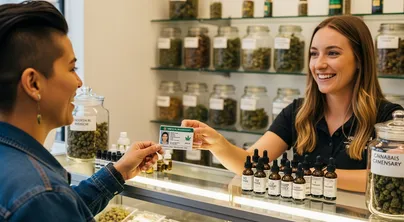
Bring a valid medical cannabis card and government ID
-
Expect security screening and ID verification
-
Consult with knowledgeable budtenders about products
-
Understand return policies and product guarantees
Legal Protections
Employment Considerations
Medical cannabis patients have varying employment protections:
-
Some states prohibit employment discrimination based on medical cannabis use
-
Federal employees and contractors may still face restrictions
-
Safety-sensitive positions often maintain zero-tolerance policies
-
Workplace accommodation requests may be necessary for some patients
Housing Protections
-
Many states prohibit housing discrimination against medical cannabis patients
-
Rental agreements cannot typically ban legal medical cannabis use
-
HOA restrictions may still apply in some jurisdictions
-
Public housing may have federal restrictions
Parental Rights and Family Court
-
Medical cannabis use alone typically cannot be grounds for child custody loss
-
Proper storage and responsible use are essential
-
Court education about medical necessity may be required
-
Legal representation recommended for custody matters involving cannabis
Travel and Transportation
-
Never cross state lines with cannabis products
-
Understand local laws when traveling within your state
-
Secure transportation required (locked containers, trunk storage)
-
No use in vehicles or public spaces
Ongoing Medical Care
Regular Doctor Consultations
-
Annual renewals are typically required for card maintenance
-
Quarterly check-ins recommended for dose optimization
-
Condition monitoring to assess treatment effectiveness
-
Side effect management and medication interactions
Dose Adjustments and Monitoring
-
Start low, go slow approach for new patients
-
Keep a cannabis journal tracking doses and effects
-
Regular communication with healthcare providers
-
Adjustments based on tolerance and effectiveness
Interaction with Other Treatments
-
Medication interactions should be monitored carefully
-
Communication with all healthcare providers about cannabis use
-
Coordination with specialists treating underlying conditions
-
Integration with overall treatment plans
Conclusion
Getting your medical cannabis card online in 2026 has never been more accessible, affordable, or convenient. The evolution of telemedicine has eliminated traditional barriers while maintaining the medical oversight and legal protections that patients need and deserve.
Whether you’re dealing with chronic pain, PTSD, cancer treatment side effects, or any other qualifying condition, online medical cannabis certification offers a path to relief that fits your schedule and respects your privacy. With same-day approvals, expert medical guidance, and comprehensive support throughout the state registration process, platforms like LeafyRX have streamlined what was once a complex and intimidating process.




 Ask ChatGPT
  Ask Claude
  Ask Perplexity