
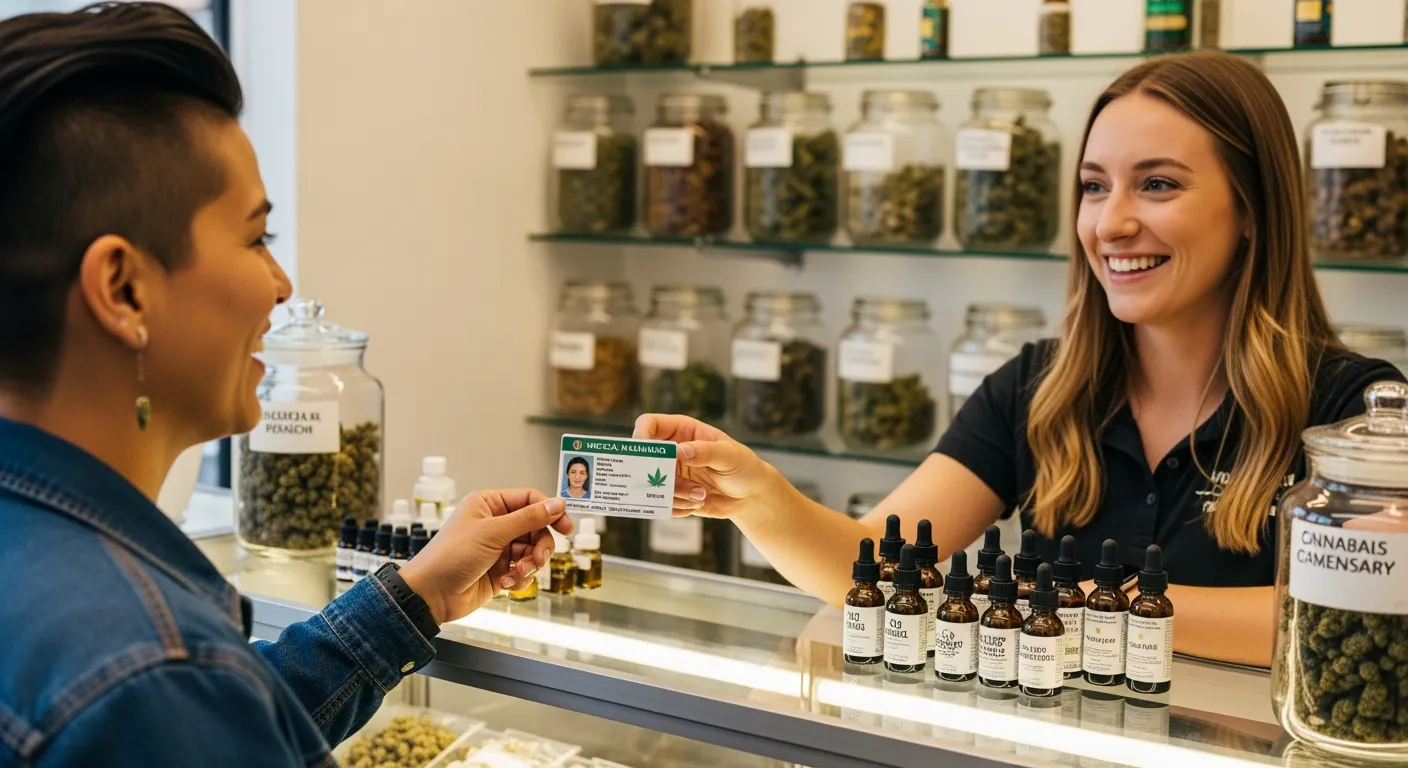

Many patients struggle to find safe and reliable treatment options for chronic pain, anxiety, or other serious conditions. Getting a medical marijuana card offers a practical solution by giving legal, safe, and effective access to cannabis for health treatment. This card allows patients with qualifying medical conditions to purchase medical cannabis from licensed dispensaries under state-approved programs. Beyond legal protection, the medical marijuana card benefits include affordable access, doctor supervision, and quality-controlled products that support better health outcomes. In this guide, we’ll explore what a medical marijuana card is, how it works, the top health issues treated just by getting a medical marijuana card, and the top 10 medical marijuana card benefits.
Introduction
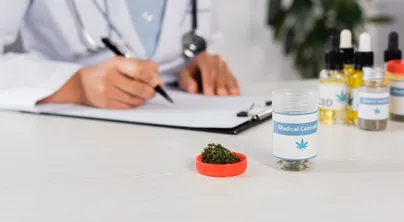
A medical marijuana card is an official ID that allows patients to legally buy and use cannabis for medical reasons. It is issued after a licensed doctor confirms that the patient has a health condition that qualifies for medical cannabis treatment. With this card, patients can safely buy products from approved dispensaries under state programs and get a medical marijuana card online.
However, laws about medical marijuana are different in every state or country. A medical marijuana card gives legal protection only within the state program that issued it. Therefore, before traveling or moving, patients should always check local laws and rules.
What Is a Medical Marijuana Card?
A medical marijuana card is a government-issued identification that proves you are legally allowed to use cannabis for medical treatment. Patients usually need to show proof of identity and proof of residency to apply. Once approved, they can buy safe, tested cannabis products from licensed dispensaries.
Eligibility and Qualifying Conditions
To qualify, patients must have a medical condition that meets their state’s list of qualifying conditions. These often include chronic pain, epilepsy, PTSD, anxiety, cancer-related symptoms, and multiple sclerosis. After that, patients must complete a doctor consultation or physician certification. This confirms their medical need before submitting their application documentation.
Medical vs. Recreational Use
The main difference between medical cannabis and recreational cannabis is the balance of Cannabidiol (CBD) and Tetrahydrocannabinol (THC). Medical marijuana usually contains more CBD, which has no psychoactive effects and helps with chronic pain, inflammation, and muscle spasms. It may include small amounts of THC for stronger pain relief but is carefully measured and regulated.
On the other hand, recreational cannabis often has higher THC levels and is less controlled, which can lead to contaminated products. Patients who get a medical marijuana card online have access to safer, lab-tested cannabis designed for treatment. Overall, products made for medical use provide more reliable health benefits under strict medical standards and physician certification.
Top 10 Medical Marijuana Card Benefits
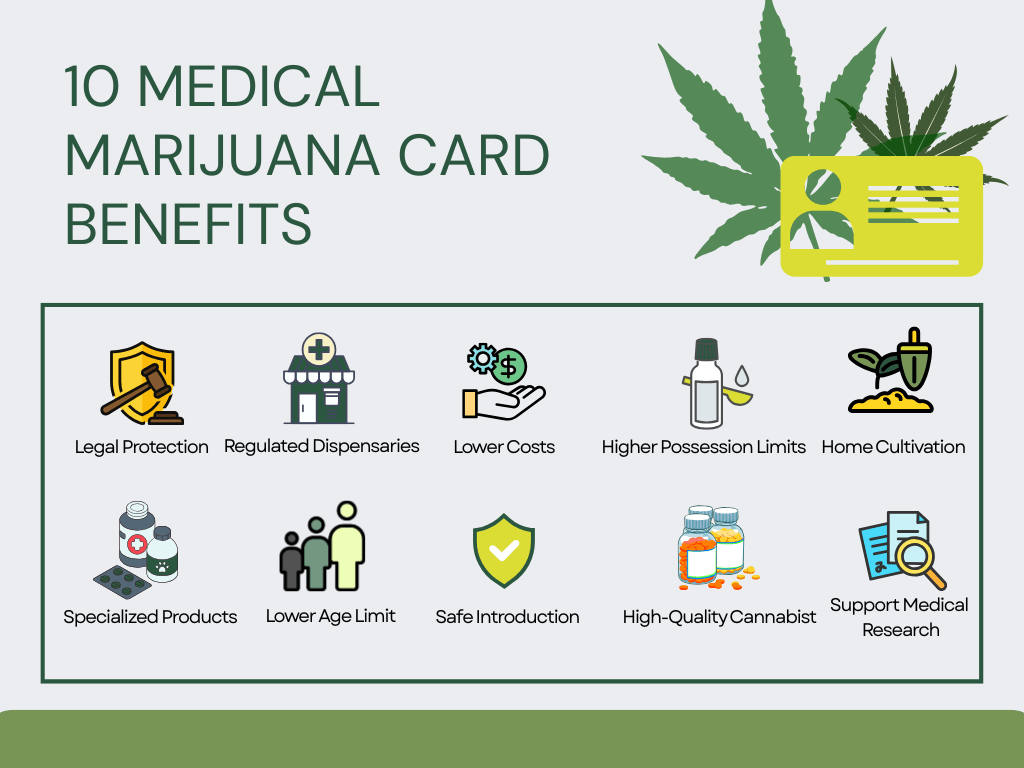
1. Legal Protection and Reduced Risk of Prosecution
State medical marijuana laws provide cardholders with legal protections when they follow program rules. These laws typically cover patient registration, qualifying medical conditions, patient privacy, and discrimination protections. They also regulate cultivation, product use, dispensary operations, product testing, packaging, and labeling, which ensures patients are consuming safe and legal cannabis. By adhering to these regulations, patients can avoid legal penalties, as the card serves as proof of compliance with state medical cannabis programs.
2. Access to Regulated Dispensaries & Quality Products
With a card, patients can buy cannabis only from licensed dispensaries, which sell lab-tested and safe products. In contrast, the black market is risky because products may contain contaminants or incorrect THC levels. In addition, dispensaries provide guidance and help patients choose the right strain or form, such as tinctures, oils, or edibles. Today, patients can even get online medical cannabis certification for quick and secure access.
3. Lower Costs Through Tax and Discount Benefits
Medical marijuana cardholders often pay lower taxes or enjoy special discounts compared to recreational buyers. Some states even reduce renewal fees or offer discounts to veterans and low-income patients. Therefore, getting a card can make long-term treatment more affordable.
4. Higher Possession Limits
One of the key medical marijuana card benefits is that patients often enjoy higher possession limits compared to recreational users. In many states, medical cardholders can legally carry larger amounts of cannabis to meet their ongoing medical needs. This is especially helpful for patients who use cannabis daily or to manage chronic conditions, as it ensures they have enough medicine without frequent trips to dispensaries.
For example, in Illinois, medical marijuana patients are allowed to possess up to 2.5 ounces of cannabis every 14 days and may cultivate up to 5 plants for personal use, depending on physician approval (Illinois Department of Public Health). These limits are generally higher than recreational allowances and provide greater legal protection, as cardholders can carry their medicine without fear of violating possession laws.
Higher possession limits also make travel within state boundaries easier, as patients can transport their medicine according to legal thresholds. Always remember to check state-specific travel and transportation rules, as crossing state lines with cannabis—even with a medical card—is often prohibited.
5. Home Cultivation Privileges
Some states allow medical marijuana cardholders to grow cannabis at home, which can help patients maintain a steady supply of medicine and reduce costs. For example, in New Mexico, registered medical cannabis patients may cultivate up to 16 plants (4 mature, 12 immature) for personal use, ensuring they have access to their treatment without relying solely on dispensaries (New Mexico Department of Health).
Home cultivation offers several advantages:
Legal Protection – As long as patients adhere to state rules regarding plant count and possession limits, home cultivation is fully legal for cardholders.
Self-Sufficiency – Patients can manage their own supply and avoid shortages.
Cost Savings – Growing at home reduces repeated dispensary purchases.
Dose Control – Patients can tailor cultivation to produce strains that meet their qualifying medical conditions and adjust dosage as recommended by their physician.
6. Access to Specialized Products and Medical Strains
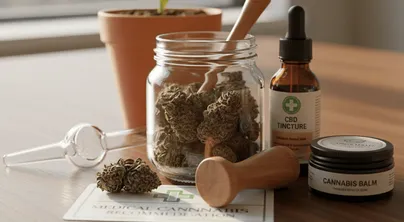
Cardholders can access special medical strains made for health needs. These may include products with specific THC/CBD ratios, oils, capsules, and edibles. For example, some strains are designed to relieve pain, while others help reduce anxiety or seizures.
7. Access to High-Quality Medical Cannabis
Another benefit is quality assurance. Medical cannabis is grown and tested under strict standards. As a result, patients receive clean, safe, and consistent products that deliver predictable results every time.
8. Lower Age Restriction
Some states have more flexible age requirements for obtaining a medical marijuana card, allowing younger patients access to treatment under specific conditions. For instance, in Oklahoma, residents under the age of 18 can qualify for a medical marijuana patient license. To do so, they must obtain written recommendations from two Oklahoma board-certified physicians and have the application signed by a parent or legal guardian. Additionally, the minor must have a designated caregiver who is responsible for purchasing and administering the medical marijuana products on their behalf. This approach ensures that minors have access to medical cannabis when appropriate, with safeguards in place to protect their well-being and ensure proper use.
9. Safe and Supervised Introduction for New Patients
Getting a medical card ensures that treatment starts under professional supervision. Doctors can guide new patients on dosage, methods, and timing. With online consultations, this process has become even easier and faster.
10. Facilitates Medical Research and Patient Registry Programs
When patients register for a card, their data (kept private) can help scientists learn how cannabis affects different conditions. This research helps improve future treatments, create better products, and support public health development.
Evidence and Research on Therapeutic Benefits
Overview of Medical Marijuana Research
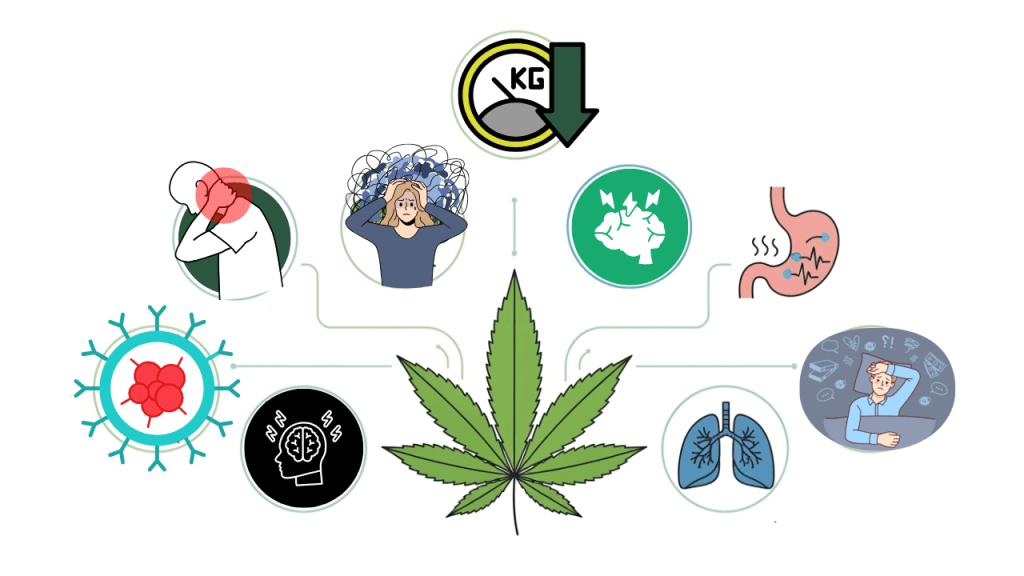
Medical marijuana uses compounds called THC and CBD, which work with the body’s endocannabinoid system to balance mood, reduce pain, and ease inflammation. According to research from NCBI and PMC, cannabis has shown promise in helping with chronic pain, epilepsy, PTSD, and cancer-related symptoms.
1. Medical Marijuana for Chronic Pain Management
Cannabis helps reduce inflammation and nerve pain. For many patients, it offers an effective and safer alternative to opioids. As a result, users often report less pain and better movement.
2. Reducing Inflammation with Medical Marijuana
Studies show that cannabinoids have strong anti-inflammatory effects. This makes them helpful for conditions such as arthritis, Crohn’s disease, and other autoimmune disorders.
3. Alleviating Anxiety and Depression with Medical Marijuana
Certain cannabis strains can help calm the mind and reduce stress. However, dosage control is important because too much THC may increase anxiety. With a doctor’s advice, patients can use medical cannabis safely to support mental wellness.
4. Enhancing Appetite and Controlling Weight Loss
For patients who struggle to eat, such as those going through chemotherapy or living with HIV/AIDS — cannabis can increase appetite and prevent extreme weight loss.
5. Medical Marijuana for Cancer Treatment Support
Many cancer patients use medical marijuana to ease nausea, vomiting, and pain caused by chemotherapy. Additionally, It helps them eat better and feel more comfortable during recovery.
6. Improving Sleep Quality
Medical cannabis can help patients with insomnia or anxiety sleep better. When used responsibly, it may promote deeper rest and better daily energy.
7. Managing Seizures
CBD-based treatments are proven to reduce seizure activity, especially for patients with epilepsy. For instance, the FDA-approved drug Epidiolex is a CBD medication that helps manage severe seizure conditions.
8. Supporting Mental Clarity in PTSD
Cannabis can calm the brain, reduce flashbacks, and help people with PTSD feel more relaxed. This makes it a useful tool for veterans and trauma survivors under professional care.
Common Concerns & Limitations to Consider
Legal and State Restrictions
Not all states have active medical cannabis programs. Therefore, patients must always follow their own state’s laws. Traveling across state lines with cannabis can still lead to legal issues.
Side Effects and Drug Interactions
While cannabis is generally safe, it can cause dry mouth, dizziness, or drowsiness. It might also interact with certain medications. As a result, it’s important to stay under doctor supervision during treatment.
Financial and Renewal Considerations
Applying for or renewing a medical marijuana card usually includes a consultation fee and an application charge. Some patients may find these costs high, but several states offer discounts or fee waivers.
Product Availability and Physician Access
In some areas, patients may face limited dispensary options or delays in finding a licensed physician. However, online consultations now make it easier for people to access the care they need quickly.
How to Get a Medical Marijuana Card (General Steps)
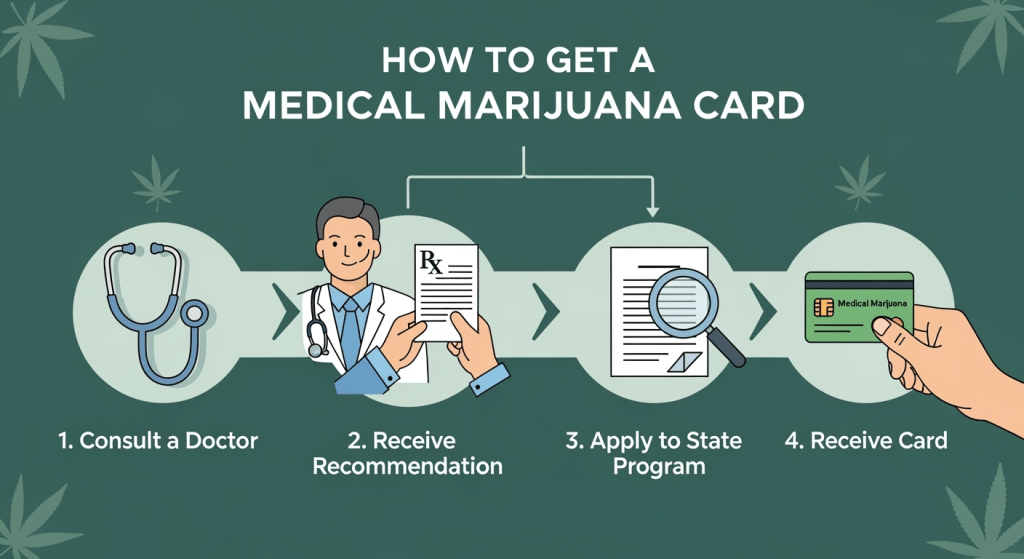
The process is similar across state programs, including getting a Texas medical marijuana card. Follow these general steps to apply.
Step 1 – Check Qualifying Medical Conditions
First, check if your condition is on your state’s official list. Conditions like chronic pain, anxiety, epilepsy, or PTSD are common qualifiers.
Step 2 – Schedule a Doctor Consultation
Next, book an appointment , either in person or through an online consultation. The doctor will review your medical history and issue a physician certification if you qualify.
Step 3 – Submit Application Documentation
After certification, you’ll need to submit your proof of identity, proof of residency, and relevant medical records to your state program.
Step 4 – Receive Digital vs Physical Card
Some states issue digital cards that can be stored on your phone, while others mail a physical card. Once received, you can buy from authorized dispensaries right away.
Step 5 – Renewals and Updates
Most cards need renewal. Therefore, make sure to follow up for renewals, dose adjustments, and medical record updates as needed.
Get started today! You can now get a medical marijuana card online by completing a quick and safe online medical cannabis certification with a licensed provider, often within the same day.
Conclusion
Recap of Key Medical Marijuana Card Benefits
To summarize, the medical marijuana card benefits include legal safety, access to tested products, cost savings, higher possession limits, cultivation rights, and safer treatment under medical care. These benefits make it an excellent option for people with qualifying conditions.
However, a medical card is not necessary for everyone. Some patients may face costs or legal limitations. Still, for eligible patients, it offers legal peace of mind and better control over their health.
Check your eligibility today! Schedule an online consultation with a licensed cannabis doctor and begin your safe, legal, and affordable journey with medical marijuana.
When your certification expires, you can renew your medical card online with a licensed physician.





 Ask ChatGPT
  Ask Claude
  Ask Perplexity