
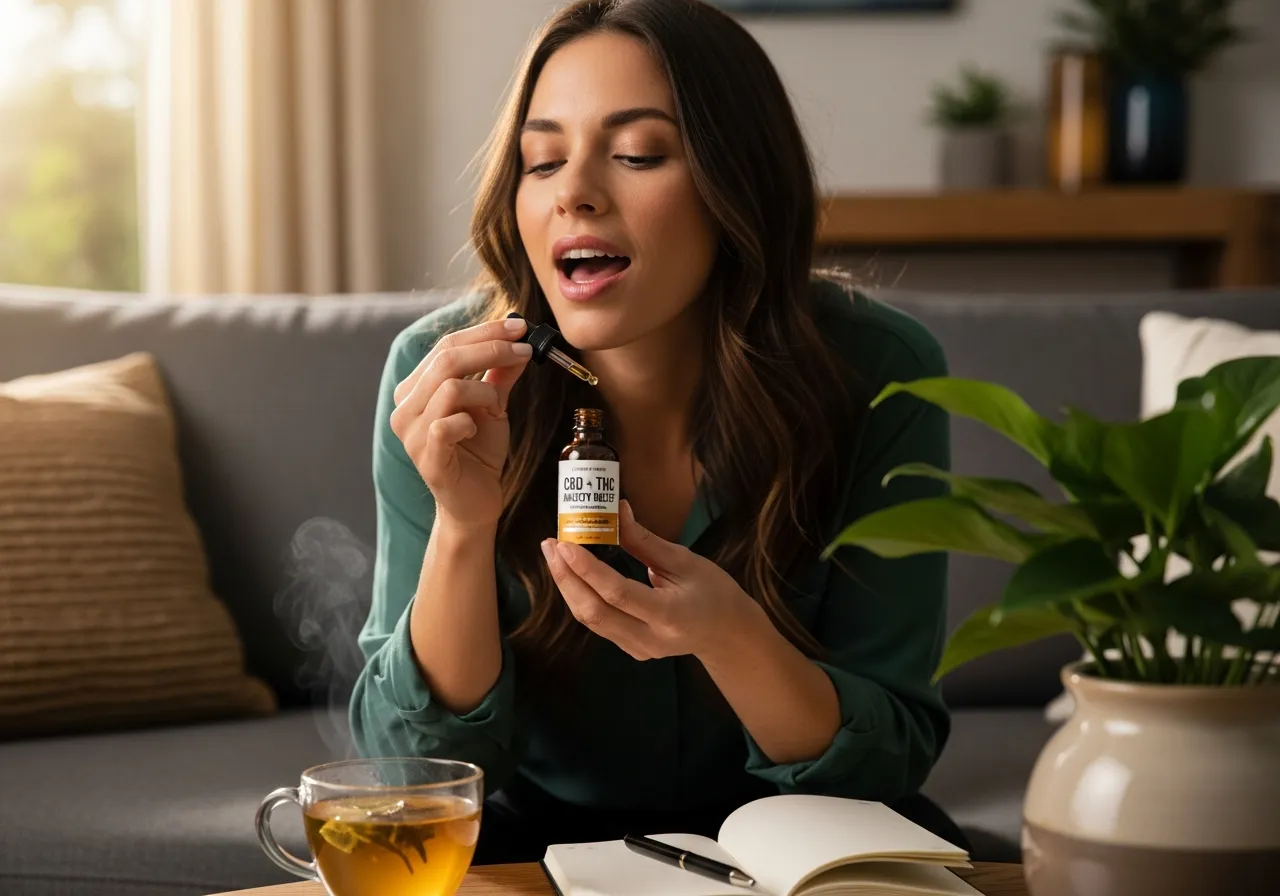

Medical marijuana for anxiety has become one of the most searched mental health topics in the United States, and for good reason. Anxiety disorders affect more than 40 million American adults, making them the single most prevalent mental health condition in the country. Despite that, millions of patients remain undertreated, unsatisfied with conventional anxiety meds, or unable to tolerate the side effects of standard pharmaceutical treatments. As medical cannabis programs expand across the country, more patients and physicians are asking the same urgent questions: can you get medical marijuana for anxiety, does it work, what does the science say, and how do you do it safely?
This comprehensive, evidence-based guide examines everything you need to know about medical marijuana for anxiety treatment in 2026. We cover the neuroscience of how cannabis interacts with the anxiety-processing brain, what clinical trials and peer-reviewed studies have actually found, whether does smoking help with anxiety or whether it makes things worse, how to choose what is the best weed strain for your condition, and the full practical roadmap for qualifying for a medical card. Whether you have generalized anxiety, panic disorder, social anxiety, or PTSD, this guide is designed to give you the most accurate, honest, and actionable information available.
What Is Anxiety? Understanding Anxiety Disorders and Medical Marijuana for Anxiety Treatment
Before exploring medical marijuana for anxiety treatment options, it is essential to understand what anxiety disorders are and why so many patients are seeking alternatives to conventional care. Anxiety is not simply stress or worry. It is a clinical category of psychiatric conditions characterized by persistent, excessive fear, avoidance behavior, and physiological hyperarousal that significantly impairs daily functioning, relationships, and quality of life.
Anxiety disorders include several distinct diagnoses. Generalized anxiety disorder (GAD) involves uncontrollable, persistent worry across multiple life domains. Panic disorder is defined by recurrent, unexpected panic attacks. Social anxiety disorder involves debilitating fear of social scrutiny or humiliation. Specific phobias are intense, irrational fears of particular objects or situations. Post-traumatic stress disorder (PTSD), which involves hyperarousal, avoidance, intrusive memories, and emotional numbing following traumatic experience, is one of the most common qualifying conditions for a medical marijuana card for anxiety across states.
The economic and personal burden of these conditions is staggering. Lost productivity, emergency room visits, hospitalizations, and the immeasurable personal suffering anxiety inflicts on sufferers and their families add up to billions of dollars and countless ruined opportunities each year. Yet standard anxiety meds leave a large percentage of patients inadequately treated. According to a landmark clinical review, a substantial proportion of patients with psychiatric conditions, including anxiety, do not achieve adequate control with available medications, creating a genuine clinical need for alternative and adjunctive therapies such as medical cannabis.
First-line anxiety meds include selective serotonin reuptake inhibitors (SSRIs) like sertraline and escitalopram, serotonin-norepinephrine reuptake inhibitors (SNRIs) like duloxetine, buspirone for chronic GAD, and benzodiazepines for acute episodes. SSRIs and SNRIs take four to eight weeks to reach full effect and commonly cause sexual dysfunction, weight changes, emotional blunting, and difficult discontinuation syndromes. Benzodiazepines work rapidly but carry serious risks of dependence, tolerance, cognitive impairment, and dangerous withdrawal. This landscape of imperfect options is precisely why medical marijuana for anxiety has become a priority topic in both clinical practice and patient self-advocacy.
How Medical Marijuana for Anxiety Treatment Works: The Endocannabinoid System
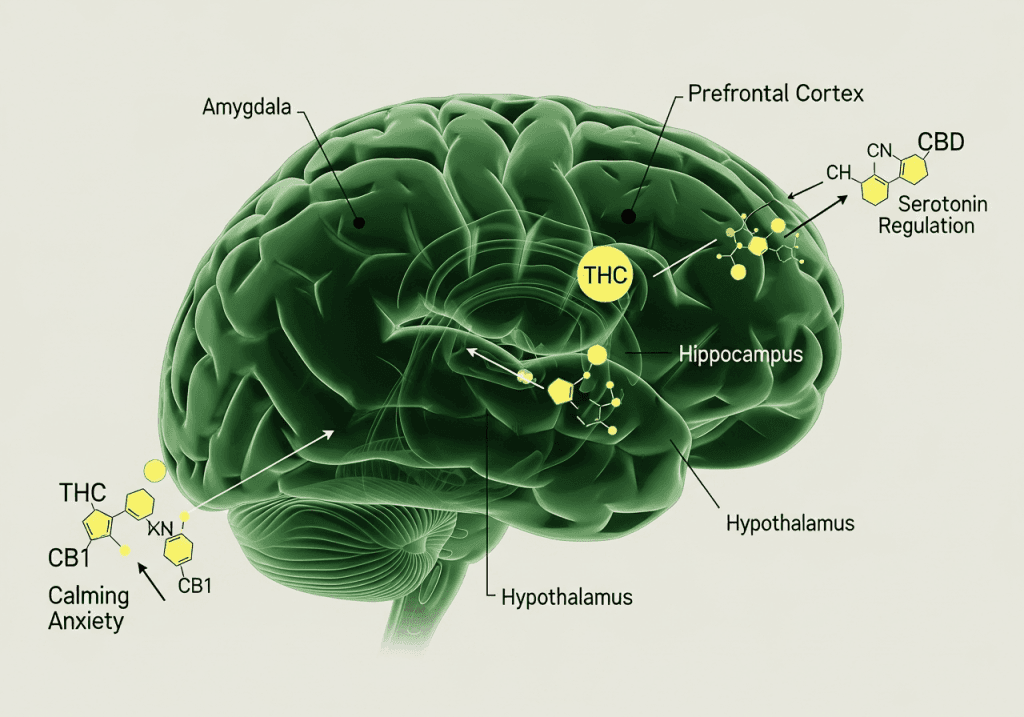
To understand medical marijuana for anxiety treatment at a biological level, you need to understand the endocannabinoid system (ECS). The ECS is a complex cell-signaling network distributed throughout the entire body and brain, and it plays a central regulatory role in mood, stress response, fear processing, memory consolidation, and emotional regulation. It consists of cannabinoid receptors (CB1 and CB2), endogenous cannabinoids such as anandamide (also called the “bliss molecule”) and 2-arachidonoylglycerol (2-AG), and the enzymes that synthesize and break them down.
CB1 Receptors and Anxiety Circuits
CB1 receptors are concentrated in the brain regions most critical to anxiety: the amygdala, which detects and processes threat and fear; the prefrontal cortex, which governs emotional regulation and executive decision-making; the hippocampus, which encodes emotional memories, including trauma; and the hypothalamus, which coordinates the body’s stress hormone cascade via the hypothalamic-pituitary-adrenal (HPA) axis. When THC (tetrahydrocannabinol), the primary psychoactive compound in cannabis, enters the brain, it mimics anandamide and binds to CB1 receptors in these regions. At low to moderate doses, this binding dampens amygdala hyperactivity, reduces perceived threat, and promotes calm. A thorough review of this mechanism is documented in research published, which examined the emerging evidence base for cannabinoids as anxiety treatments and highlighted CB1-mediated fear extinction as a key pathway of interest.
CBD and Serotonin Receptor Modulation
CBD (cannabidiol), the non-psychoactive cannabinoid, works differently from THC. Rather than binding directly to cannabinoid receptors, CBD inhibits the enzyme that breaks down anandamide, prolonging the body’s own calming signal. It also directly engages 5-HT1A serotonin receptors, the same receptor subtype targeted by buspirone and the mechanism through which many SSRIs produce anti-anxiety effects. This dual action makes CBD particularly interesting as a therapeutic agent for anxiety, because it targets multiple anxiety-relevant pathways simultaneously. Research published in Pharmacology Biochemistry and Behavior examined the translational anxiolytic potential of cannabidiol and confirmed its multi-receptor activity relevant to fear and stress circuitry, lending scientific credibility to patient reports of CBD-induced calm.
The HPA Axis and Stress Response
Both THC and CBD also modulate the HPA axis, the hormonal cascade that governs the body’s cortisol-driven stress response. Dysregulation of the HPA axis is a key feature of both GAD and PTSD, characterized by either excessive cortisol reactivity or, in chronic PTSD, blunted cortisol response with heightened sensitivity. Cannabinoids can act as homeostatic modulators of this system, potentially recalibrating stress reactivity toward a healthier set point. This mechanism is explored in detail in pharmacological research published in a chapter from Stress: Physiology, Biochemistry, and Pathology, which documents cannabinoid modulation of neuroendocrine stress pathways relevant to anxiety.
Can Weed Cause Anxiety Attacks? The Dose-Dependent Paradox
One of the most important clinical realities in medical marijuana for anxiety management is that cannabis is not uniformly anxiolytic. The question can weed cause anxiety attacks demands a direct, honest answer: yes, it absolutely can, and this risk is higher than many cannabis advocates acknowledge.
Why High-THC Products Can Trigger Anxiety
At low doses, THC dampens amygdala hyperactivity and produces relaxation. At high doses, it oversaturates CB1 receptors, producing exaggerated threat perception, racing thoughts, depersonalization, and in predisposed individuals, full panic attacks. This biphasic dose-response relationship has been documented in multiple research contexts. A study published in the Journal of Affective Disorders found that chronic heavy cannabis use was associated with significantly worse long-term anxiety outcomes, greater stress sensitivity, and higher rates of anxiety disorder diagnoses, even when short-term use provided temporary relief. The researchers identified individuals with pre-existing panic disorder, trauma histories, and high baseline anxiety sensitivity as particularly vulnerable to THC-induced anxiety escalation.
Physiological Mechanisms of Cannabis-Induced Panic
Several biological mechanisms explain can weed cause anxiety attacks. High-dose THC produces a rebound cortisol surge after initially suppressing the HPA axis, contributing to a post-use anxiety spike. THC also increases heart rate and alters cardiovascular tone, which anxious individuals often misinterpret as a cardiac emergency, amplifying panic. The cardiovascular effects of cannabis are documented in a critical review published by Mental Health Clinician, which identified heart rate acceleration as a key THC side effect that can trigger or worsen anxiety episodes, particularly in individuals with panic disorder who are already sensitized to cardiac sensations.
Who Is Most at Risk
The following patient profiles are most vulnerable to cannabis-induced anxiety and should approach medical marijuana for anxiety treatment with particular caution or under close clinical supervision:
| High-Risk Group | Why They Are More Vulnerable |
|---|---|
| People with panic disorder | Already sensitized to internal physical sensations, which cannabis—especially THC—can intensify and trigger panic attacks |
| Cannabis-naive individuals | High-potency products without gradual dose titration increase the risk of acute anxiety reactions |
| Individuals with trauma history or PTSD | Often have hyperreactive stress and fear response systems that cannabis may overstimulate |
| Users in unfamiliar or stressful environments | Lack of environmental control can amplify anxiety and paranoia during cannabis use |
| People with personal or family history of psychosis | THC can precipitate psychotic episodes in genetically vulnerable individuals |
| Adolescents and young adults (under 25) | Cannabis use during brain development is linked to higher long-term risks of anxiety and depression, with younger users at greatest risk |
CBD for Panic Attacks: Clinical Evidence and Mechanisms
Among all aspects of medical marijuana for anxiety treatment, the evidence for CBD for panic attacks and acute anxiety is the most consistent, and the most accessible to patients without full THC-based medical marijuana programs in their state. CBD has been evaluated in multiple human clinical trials for various anxiety subtypes, and the results are substantially more encouraging than critics of cannabis medicine often acknowledge.
The Simulated Public Speaking Study
In one of the most widely referenced CBD anxiety studies, participants received either 300 to 600 mg of CBD or placebo before undergoing a simulated public speaking test, a validated anxiety induction paradigm. Those receiving CBD showed significantly reduced self-reported anxiety, cognitive impairment, and autonomic arousal during the performance compared to placebo. Critically, CBD did not produce intoxication, sedation, or meaningful side effects at therapeutic doses, a key advantage over both THC and benzodiazepines. These findings are consistent with the pharmacological analysis presented in (Pharmacology Biochemistry and Behavior), which confirmed CBD’s 5-HT1A agonism as a primary mechanism of its anxiolytic effect.
CBD and the Fear Extinction Pathway
Panic disorder is characterized by conditioned fear responses to internal bodily sensations, and PTSD involves fear conditioned to traumatic memory cues. Both conditions rely on faulty fear extinction, in which the brain fails to update its threat assessment based on new, safe experiences. CBD has demonstrated the ability to enhance fear extinction in both animal and early human models, suggesting it may not just reduce acute anxiety but help the brain unlearn pathological fear over time. This mechanism is supported by a body of mechanistic research cited in International Journal of Mental Health and Addiction, which documented CBD’s role in modulating fear memory consolidation and extinction in anxiety-related contexts.
Full-Spectrum vs. CBD Isolate for Anxiety
Patients using CBD for panic attacks frequently encounter choices between full-spectrum, broad-spectrum, and CBD isolate products. Full-spectrum products retain all naturally occurring cannabinoids including trace THC (below 0.3%), terpenes, and flavonoids, and may benefit from the “entourage effect” in which these compounds work synergistically. Broad-spectrum products contain multiple cannabinoids and terpenes but have THC removed, offering potential entourage benefits without any THC risk. CBD isolate is pure CBD. For individuals with panic disorder who are highly sensitive to any THC, broad-spectrum or CBD isolate products are the safest starting points. Research data on cannabinoid combinations and anxiety outcomes from Cannabis and Cannabinoid Research supports the superiority of multi-cannabinoid formulations over isolate for anxiety applications in the majority of patients.
Can You Get a Medical Marijuana Card for Anxiety? Qualifying Conditions by State
The question can you get a medical marijuana card for anxiety is one of the most searched in the medical cannabis space. The honest answer is: it depends on your state. Medical marijuana policy is state-determined, and each program maintains its own list of qualifying conditions. However, the landscape has become significantly more favorable for anxiety patients over the past several years.
States Where Anxiety or PTSD Qualifies
Below are key states and their provisions for anxiety-related medical marijuana qualifications:
Medical Marijuana Card for Anxiety: All U.S. States Reference Table
Source: Official state government medical marijuana program websites | Updated February 2026
CATEGORY 1: States Where Anxiety is EXPLICITLY Listed as a Qualifying Condition
These states name anxiety disorders directly on their official medical marijuana qualifying conditions list.
| STATE | Pennsylvania | New Jersey | New Mexico | New Hampshire | North Dakota |
|---|---|---|---|---|---|
| Category | Explicit | Explicit | Explicit | Explicit | Explicit |
| Anxiety Type | Anxiety Disorders (GAD) | Anxiety (broad) | Anxiety Disorder | Generalized Anxiety Disorder | Anxiety Disorder |
| Year Added | 2019 | 2018 | 2023 | 2024 | Active |
| Details | Added by PA Dept. of Health. #1 qualifying condition — 40% of all 2021 certifications. | Official NJ.gov program. Includes GAD, social anxiety, OCD. Anxiety is #1 qualifying condition (39% of 2024 patients). | NM Dept. of Health Medical Cannabis Program. Added Jan 1, 2023 via Medical Advisory Board approval. | NH DHHS Therapeutic Cannabis Program. Added via HB 1349, signed by Gov. Sununu, effective Sept 10, 2024. | ND Medical Marijuana Program. Anxiety listed among qualifying conditions on official state list. |
| STATE | Nevada | ||||
|---|---|---|---|---|---|
| Category | Explicit | ||||
| Anxiety Type | Anxiety | ||||
| Year Added | Active | ||||
| Details | NV Division of Public and Behavioral Health. Anxiety on official qualifying conditions list. |
CATEGORY 2: States Where PTSD Qualifies (Primary Pathway for Anxiety Patients)
PTSD is an anxiety-spectrum disorder. In these states, patients with a PTSD diagnosis can qualify. Some also allow physician discretion for anxiety as a “comparable” condition.
| STATE | Florida | Illinois | New York | Ohio | Missouri |
|---|---|---|---|---|---|
| Category | PTSD + Discretion | PTSD + Discretion | PTSD + Discretion | PTSD + Discretion | PTSD pathway |
| Anxiety Type | PTSD explicit; Anxiety via comparable condition clause | PTSD explicit; broad physician discretion | PTSD explicit; physician discretion | PTSD explicit; anxiety via PTSD pathway | PTSD (must be diagnosed by psychiatrist) |
| Year Added | 2016 | 2013 | 2014 | 2016 | 2018 |
| Details | Senate Bill 8A allows physician to qualify anxiety as “comparable” to listed conditions. PTSD explicitly listed. | PTSD listed. Physicians also retain discretion to certify other conditions including anxiety. | PTSD listed. Physicians may certify any condition they believe would benefit. | PTSD listed. Anxiety patients may qualify via PTSD overlap diagnosis. | Amendment 2 (2018). PTSD requires psychiatrist diagnosis. Anxiety alone does not explicitly qualify. |
| STATE | Arizona | Connecticut | Delaware | Hawaii | Louisiana |
|---|---|---|---|---|---|
| Category | PTSD pathway | PTSD pathway | PTSD pathway | PTSD pathway | PTSD pathway |
| Anxiety Type | PTSD explicit | PTSD explicit | PTSD explicit | PTSD explicit | PTSD explicit |
| Year Added | 2010 | 2013 | Active | 2015 | Active |
| Details | PTSD on official qualifying conditions list. Anxiety alone not listed. | PTSD qualifying since 2013. HB 5389 (2021) expanded program. | $50 annual fee. PTSD listed. Anxiety alone not explicitly listed. | PTSD added as qualifying condition. $38.50 fee. Telehealth evaluations permitted. | PTSD under therapeutic marijuana program. Smokable flower now permitted. |
| STATE | Maryland | Michigan | Minnesota | Montana | Rhode Island |
|---|---|---|---|---|---|
| Category | PTSD pathway | PTSD pathway | PTSD pathway | PTSD pathway | PTSD pathway |
| Anxiety Type | PTSD explicit | PTSD explicit | PTSD explicit | PTSD explicit | PTSD explicit |
| Year Added | 2017 | 2008 | 2014 | 2020 | Active |
| Details | PTSD listed since 2017. $50 annual fee. | PTSD under Michigan Medical Marihuana Act 2008. $40 fee, valid 3 years. | PTSD listed. Patients can access various product forms at licensed dispensaries. | PTSD added via 2020 voter initiative. $75 application fee. | PTSD listed on official qualifying conditions. |
| STATE | South Dakota | Utah | West Virginia | Texas | Arkansas |
|---|---|---|---|---|---|
| Category | PTSD pathway | PTSD pathway | PTSD pathway | PTSD pathway | PTSD pathway |
| Anxiety Type | PTSD explicit | PTSD explicit | PTSD explicit | PTSD only (low-THC; no card issued) | PTSD explicit |
| Year Added | 2020 | Active | 2017 | 2021 | 2016 |
| Details | PTSD listed. Program operational since July 1, 2021. | PTSD listed under Utah Medical Cannabis Act. | PTSD listed under SB 386 (2017). | PTSD via HB 1535 (2021). Low-THC program (≤1% THC). NO physical card — prescription only. Anxiety alone does NOT qualify. | PTSD listed. Medical program via ballot measure 2016. |
| STATE | Alabama | ||||
|---|---|---|---|---|---|
| Category | PTSD pathway | ||||
| Anxiety Type | PTSD explicit | ||||
| Year Added | 2021 | ||||
| Details | PTSD on official qualifying conditions list. |
CATEGORY 3: States with Full Physician Discretion (Anxiety Qualifies if Doctor Recommends)
No fixed conditions list. Any licensed physician can recommend medical cannabis for anxiety if they believe benefits outweigh risks.
| STATE | Oklahoma | Virginia | Maine | Massachusetts | California |
|---|---|---|---|---|---|
| Category | Full Discretion | Full Discretion | Full Discretion | Full Discretion | Full Discretion |
| Anxiety Type | Any condition at physician discretion | Any condition at physician/NP discretion | Any condition at physician discretion | Any condition at physician discretion | Any illness for which cannabis provides relief |
| Year Added | 2018 | 2021 | 1999 | 2013 | 1996 |
| Details | No conditions list. Physician decides. Anxiety routinely approved. One of the most open programs in the U.S. | Any licensed VA physician or nurse practitioner can certify any condition since July 1, 2021. | No qualifying conditions list. Physician certifies any condition they believe would benefit. Anxiety routinely approved. | Physician may recommend for any debilitating condition. Anxiety qualifies at physician determination. | Proposition 215 (1996). “Any other illness” clause. Anxiety routinely qualifies. |
| STATE | Colorado | Oregon | Washington | Washington D.C. | |
|---|---|---|---|---|---|
| Category | Full Discretion | Full Discretion | Full Discretion | Full Discretion | |
| Anxiety Type | Physician discretion for debilitating conditions | PTSD listed + physician discretion | Any terminal or debilitating condition | Any condition at physician discretion | |
| Year Added | 2000 | 1998 | 1998 | 2010 | |
| Details | Physician discretion broadly applied. Anxiety qualifies at physician determination. | Broad physician discretion for additional conditions including anxiety. | ”Any debilitating condition” clause. Anxiety qualifies as debilitating at physician determination. | Broad physician discretion. Anxiety qualifies. |
CATEGORY 4: States Where Anxiety Does NOT Qualify (No Program or Excluded)
These states either have no medical marijuana program, a CBD-only program, or a restricted list that does not include anxiety disorders.
| STATE | Georgia | Idaho | Kansas | Wyoming | Indiana |
|---|---|---|---|---|---|
| Category | Does NOT Qualify | No Program | No Program | No Program | No Program |
| Anxiety Type | PTSD only; anxiety alone excluded | No medical marijuana program | No medical marijuana program | No medical marijuana program | No medical marijuana program |
| Year Added | N/A | N/A | N/A | N/A | N/A |
| Details | Only PTSD qualifies for mental health. Standalone anxiety does NOT qualify per GA Dept. of Public Health. | No state medical marijuana program. Cannabis remains fully illegal. | No state medical marijuana program. | No state medical marijuana program. | No full medical marijuana program. |
| STATE | Nebraska | Tennessee | North Carolina | South Carolina | Iowa |
|---|---|---|---|---|---|
| Category | CBD Only | CBD Only | CBD Only | CBD Only | CBD Only |
| Anxiety Type | CBD-only; no full program | CBD oil only | CBD oil only | CBD oil only | Medical cannabidiol only |
| Year Added | N/A | N/A | N/A | N/A | N/A |
| Details | Limited CBD-only provisions. No medical marijuana card program. | CBD oil only for specific conditions. No full medical marijuana program. | Industrial hemp/CBD only. No medical marijuana program for anxiety. | Conditions Requiring Cannabis Act — CBD oil only. | Medical cannabidiol program only. Anxiety not a qualifying condition. |
| STATE | Wisconsin | Mississippi | Kentucky | ||
|---|---|---|---|---|---|
| Category | CBD Only | Restricted | Restricted | ||
| Anxiety Type | CBD only | Limited list; anxiety not included | Anxiety not listed | ||
| Year Added | N/A | 2020 | 2023 | ||
| Details | CBD-only provisions. No full medical marijuana program. | Restricted qualifying conditions list. Anxiety not included. | Medical cannabis program recently enacted (2023). Anxiety not on qualifying conditions list. |
IMPORTANT: Qualifying conditions are updated regularly by state legislatures and health departments. Always verify directly with your state’s official medical marijuana program website before applying. Federal law still classifies cannabis as Schedule I regardless of state approval.
A comprehensive analysis of patient populations seeking medical cannabis certification, reviewed in research , found that anxiety was among the most frequently cited reasons patients sought medical marijuana certification, underscoring both the clinical need and the patient demand driving this trend.
Find Out If You Qualify for a Medical Marijuana Card for Anxiety
How Much Does a Medical Marijuana Card Cost for Anxiety?
Cost is a significant concern for many patients. According to the LeafyRx Medical Marijuana Card Costs guide, total costs typically range from as low as $29 to over $200 depending on the state. This includes two components: the physician consultation and certification fee, and the state registration fee. LeafyRx offers the lowest-cost certifications in the U.S. and operates on an approved-or-money-back guarantee, significantly reducing the financial risk for patients who are uncertain whether their condition qualifies.
Individual state examples include: Maine as low as $49 total; California typically $89 for first-time applicants; Delaware up to $199. Physician consultation fees vary from $75 to $200. State registration fees generally range from $25 to $100. Financial assistance programs and veteran discounts exist in several states including Illinois and others.
How Long Does It Take to Get a Medical Marijuana Card for Anxiety?
Timing matters. According to the LeafyRx guide on how long a medical marijuana card takes to process, the process takes on average two weeks to 30 business days from physician evaluation to card issuance. However, some states offer same-day or next-day temporary permits that allow patients to begin purchasing from licensed dispensaries while their official card is being processed. Nevada, for example, processes most applications within 24 to 72 hours. Starting the process at least 30 to 45 days before you anticipate needing access is strongly recommended.
Does Smoking Help with Anxiety? Routes of Administration Compared
Patients frequently ask: does smoking help with anxiety? The truthful answer is: it can provide rapid short-term relief, but it is not the safest or most recommended route for anxiety patients, and the risks of smoking deserve clear acknowledgment.
Inhalation: Fast Onset, Fast Relief, Real Risks
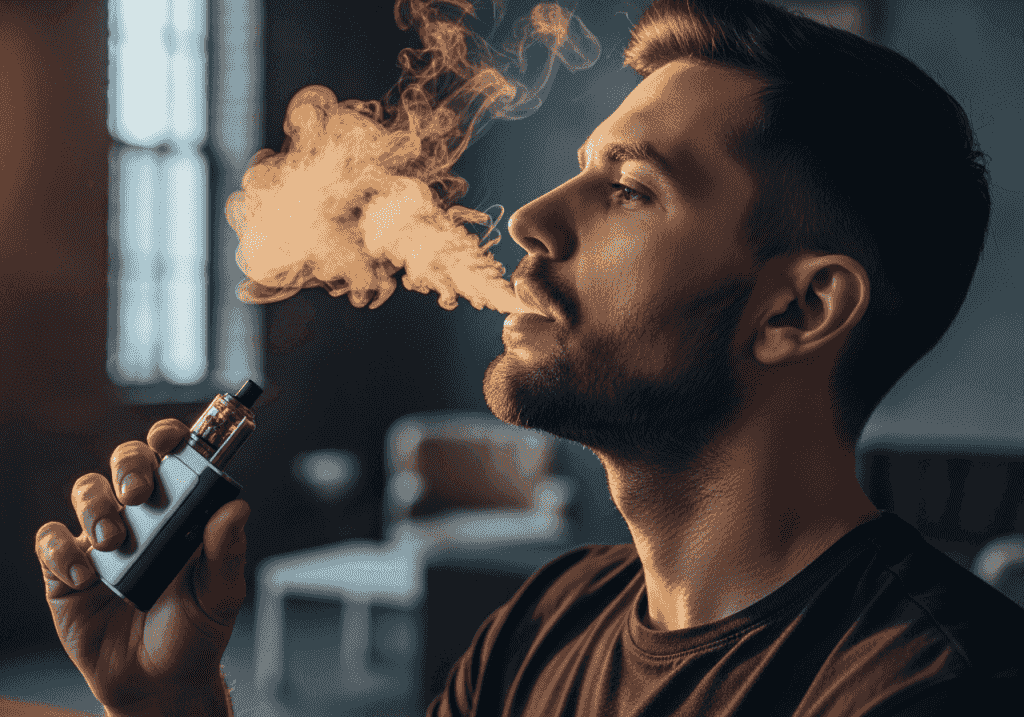
Smoking or vaporizing cannabis delivers cannabinoids directly from the lungs to the bloodstream and across the blood-brain barrier within minutes. This speed of onset is genuinely useful for acute anxiety episodes. When you are in the grip of mounting anxiety or a panic attack, waiting 60 minutes for an oral edible to take effect is not practical. Inhalation can interrupt the escalation of a panic attack faster than almost any other delivery method. However, the word “smoking” conceals an important distinction: combustion of plant material produces carbon monoxide, particulate matter, and polycyclic aromatic hydrocarbons regardless of whether you are smoking tobacco or cannabis. These combustion products irritate bronchial passages and are associated with chronic bronchitis and respiratory inflammation.
Importantly, for anxiety patients who already experience shortness of breath, chest tightness, or respiratory symptoms during panic attacks, smoking-related pulmonary irritation can compound physical discomfort and potentially trigger or worsen anxiety episodes. Vaporization, which heats cannabis to temperatures that release cannabinoids as inhalable vapor without combustion, is therefore the preferred inhalation method for medically supervised anxiety treatment. A clinical review published (International Journal of Mental Health and Addiction) found that vaporization was associated with better respiratory outcomes and similar efficacy to smoked cannabis, and recommended it as the preferred inhalation route for medical patients.
Oral and Sublingual Routes: Better for Chronic Anxiety
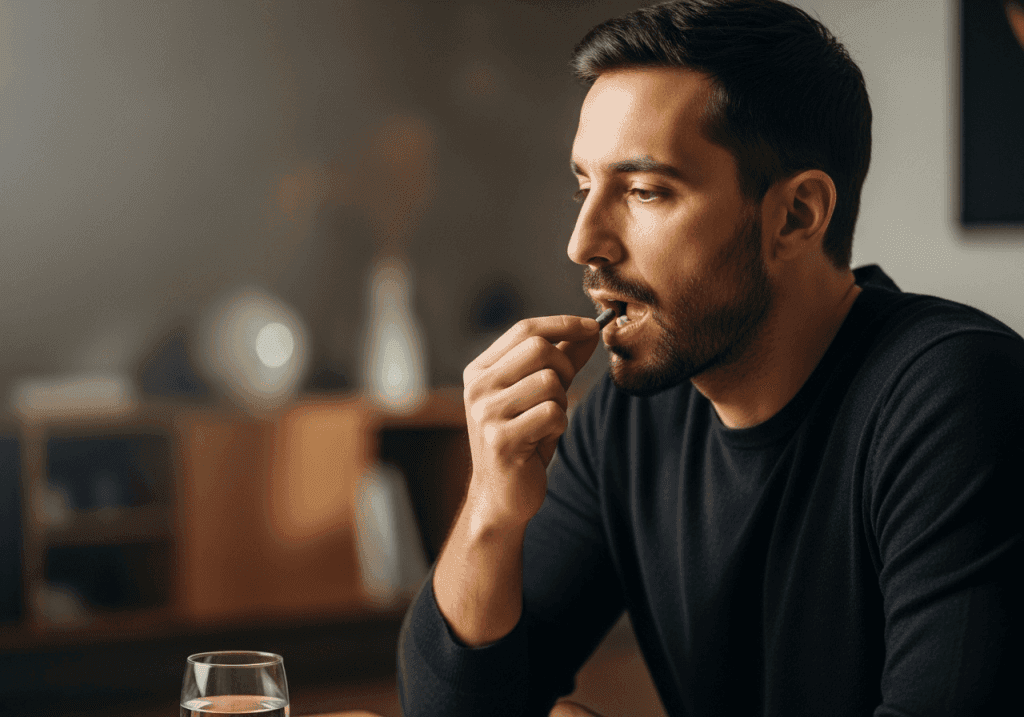
For patients managing chronic generalized anxiety throughout the day, oral and sublingual routes offer important advantages. Sublingual tinctures, absorbed under the tongue through oral mucosa, produce effects within 15 to 45 minutes and last four to six hours. They are discreet, precisely dosable, and bypass pulmonary risk entirely. Oral capsules and edibles take longer, 60 to 120 minutes in most cases, because of first-pass liver metabolism, but provide the longest and most stable duration of effect at six to eight hours or more, which benefits patients with persistent baseline anxiety and those whose anxiety worsens at night and disrupts sleep (insomnia).
Route of Administration Comparison Table
| Route | Onset | Duration | Best For |
|---|---|---|---|
| Smoking | 2-5 min | 2-3 hrs | Acute episodes but carries pulmonary risk |
| Vaporizing | 2-10 min | 2-3 hrs | Acute episodes, safer than smoking |
| Sublingual | 15-45 min | 4-6 hrs | Daily anxiety management, daytime use |
| Oral/Edibles | 60-120 min | 6-8+ hrs | Nighttime anxiety, insomnia from anxiety |
What Is the Best Weed Strain for Anxiety? A Clinical Guide to Selection
Patients consistently ask: what is the best weed strain for anxiety? This is one of the most practically important questions in medical marijuana for anxiety management, and one of the most commonly misunderstood. The indica/sativa/hybrid classification system that most dispensaries still use is largely obsolete from a clinical perspective. The effects of a cannabis product are determined by its specific cannabinoid and terpene profile, not by the leaf shape of the plant it came from. Two different “indica” strains can produce dramatically different anxiety responses depending on their THC:CBD ratio and terpene content.
High-CBD, Low-THC Strains: Safest for Anxiety
For anxiety patients, especially those new to cannabis or those who have previously experienced that can weed cause anxiety attacks is a real concern for them, high-CBD, low-THC strains are the gold standard starting point.
-
ACDC: CBD:THC ratio typically 20:1. Calm, clear-headed. Suitable for daytime use without impairment.
-
Harlequin: Typical CBD:THC ratio 5:2. Mild, focused calm with slight mood elevation without significant psychoactivity.
-
Cannatonic: Balanced to high CBD. Mild relaxation and stress relief with minimal intoxication.
-
Charlotte’s Web: Originally bred for epilepsy, very high CBD, near-zero THC. Strong anti-anxiety profile, no risk of THC-induced panic.
-
Ringo’s Gift: CBD:THC ratios up to 24:1 in some phenotypes. A top-tier medical strain for anxiety and chronic pain without impairment.
Balanced THC:CBD Strains: For Patients with Some THC Tolerance
Strains with roughly equal THC and CBD ratios allow patients to access THC’s euphoric and mood-lifting properties while having CBD on board to moderate psychoactivity and reduce panic risk. Research published in Cannabis and Cannabinoid Research supports the superiority of balanced cannabinoid ratios over high-THC-only products for anxiety outcomes, noting that the combined action of CBD and THC produced better tolerability and more consistent anxiolytic effects across patient groups.
-
Pennywise: 1:1 THC:CBD. Body relaxation and mild mental calm. Popular among chronic anxiety patients.
-
Stephen Hawking Kush: Indica-dominant, balanced CBD:THC. Gentle sedation and anxiety relief without overwhelming psychoactivity.
-
Dancehall: Balanced profile with uplifting terpene content. Good for social anxiety when some social elevation is desired without panic risk.
Indica-Dominant Strains: For Nighttime Anxiety and Insomnia
High-CBD indica strains are popular for patients whose anxiety is worst at night or who experience anxiety-driven insomnia. The sedating terpene profiles of indica-dominant strains, particularly those rich in myrcene and linalool, complement cannabinoid anxiolysis for evening use.
-
Granddaddy Purple: High-myrcene indica. Deeply relaxing body effect. Best used in the evening to wind down from anxiety-driven tension.
-
Northern Lights: Classic sedating indica. Reduces physical tension and quiets rumination. Not recommended for daytime use.
-
Bubba Kush: Heavy sedation. Appropriate for patients with severe insomnia driven by anxiety. High THC, so start with very low doses.
Strains to Avoid for Anxiety
The following strain types are generally inappropriate for anxiety patients and are among the most common causes of cannabis-induced anxiety and panic:
-
High-THC sativa strains: Green Crack, Durban Poison, Jack Herer, and similar high-THC sativas produce cerebral, stimulating effects that frequently tip into paranoia, racing thoughts, and panic in anxiety-prone individuals.
-
THC concentrates and extracts: Shatter, wax, and live resin products with 60 to 90% THC are categorically inappropriate for anxiety patients given the extreme dose and rapid delivery.
-
High-dose edibles: The delayed onset of edibles combined with high THC content is a common cause of cannabis panic. Many patients dose a second edible while waiting for the first to kick in and end up severely overdosed.
Microdosing THC for Anxiety: The Low-and-Slow Clinical Strategy
Microdosing THC for anxiety is one of the most promising and clinically coherent approaches to emerge in medical cannabis care over the past several years. The principle is simple: rather than taking doses large enough to produce noticeable psychoactivity, patients take very small, sub-intoxicating amounts of THC, typically 1 to 5 milligrams, on a regular schedule to maintain a low-level therapeutic effect throughout the day. The goal is to access THC’s mood-stabilizing and anxiolytic properties while staying well below the dose threshold at which can weed cause anxiety attacks becomes a realistic concern.
What the Research Shows on Microdosing THC for Anxiety
Research published in Cannabis and Cannabinoid Research evaluated microdosing protocols and found that very low doses of THC in the 1 to 7.5 mg range produced measurable reductions in anxiety and stress without significant cognitive impairment or adverse effects. Participants who microdosed reported improvements in mood, reduced subjective anxiety ratings, and better sleep quality compared to controls. This dose range sits well below the 10 to 30+ mg doses typically associated with psychoactivity and cannabis-induced anxiety.
Additional survey data from patients using cannabis for anxiety management, found that a notable proportion of patients who had previously experienced adverse effects from cannabis at standard doses reported tolerating and benefiting from microdose protocols. These patients cited more consistent symptom control, fewer breakthrough anxiety episodes, and absence of the intoxication they found disabling at higher doses.
How to Start Micro dosing THC for Anxiety
If you are interested in microdosing THC for anxiety, the following protocol is consistent with current clinical guidance:
| Step | Microdosing Guidance |
|---|---|
| 1. Start Low | Begin with 1–2.5 mg of THC. Oils, tinctures, and capsules allow precise dosing. Avoid smoking or edibles, as dose control is unreliable for microdosing. |
| 2. Wait Before Assessing | Wait 90–120 minutes before evaluating effects. Even sublingual products may take up to 45 minutes to peak. Do not redose too quickly. |
| 3. Track Symptoms | Keep a symptom journal noting dose, time taken, anxiety level before use, anxiety level two hours after, and any side effects. This helps identify your personal therapeutic threshold. |
| 4. Increase Gradually | Increase dose by 0.5–1 mg only if needed. Adjust no more frequently than every 3–5 days to allow physiological adaptation. |
| 5. Pair with CBD | Add 10–20 mg of CBD to broaden anxiolytic effects and reduce the risk of THC-induced anxiety. |
| 6. Use Medical Guidance | Work with a licensed provider, such as through LeafyRx, to safely guide dosing and adjust recommendations based on response. |
Medical Marijuana for Anxiety vs. Conventional Anxiety Medications: A Balanced Comparison
Patients considering medical marijuana for anxiety treatment often want to know how it compares to conventional anxiety meds. This is a legitimate clinical question, and the answer requires honesty about both the genuine promise and the real limitations of cannabis as an anxiety treatment.
Where Medical Marijuana Has Advantages Over Conventional Anxiety Meds
-
Non-addictive profile of CBD: Unlike benzodiazepines, CBD does not produce physical dependence or tolerance at therapeutic doses, making it a genuinely safer option for patients who need chronic anxiety management without dependency risk.
-
Faster onset than SSRIs: Inhalable and sublingual cannabis products produce effects in minutes to hours, compared to the four to eight week onset required for SSRIs to reach full therapeutic effect.
-
Patient-reported quality of life gains: A study reviewed in Journal of General Internal Medicine found that patients who supplemented or substituted cannabis for prescription anxiety medications under physician guidance reported improvements in quality of life, reduced medication burden, and greater sense of symptom control.
-
Multi-target mechanism: Cannabis modulates serotonin, endocannabinoid, and stress hormone pathways simultaneously, potentially addressing anxiety through multiple biological channels that a single-target drug cannot.
Where Conventional Anxiety Meds Have Advantages Over Medical Marijuana
-
FDA approval and rigorous trial data: SSRIs, SNRIs, and buspirone are FDA-approved, have been tested in thousands of patients in randomized controlled trials, and have well-understood safety profiles. As cautioned in the critical review, medicinal claims for cannabis cannot yet meet the same evidentiary standard. The principle of primum non nocere (first, do no harm) argues for caution and careful patient selection.
-
Standardized dosing: Every SSRI tablet contains a precisely known quantity of active ingredient. Cannabis products vary in cannabinoid content, especially across dispensaries and product types.
-
Insurance coverage: Prescription anxiety medications are typically covered by health insurance. Medical marijuana is not, meaning the full cost falls on the patient.
-
No psychoactivity: SSRIs and buspirone do not produce intoxication. Some cannabis products, especially those with meaningful THC content, do, which is not appropriate for all patients or all work/life situations.
Importantly, research published via Journal of Affective Disorders underscores that the relationship between cannabis and anxiety is bidirectional and complex. Cannabis is neither a universal solution nor a universal risk for anxiety patients. Thoughtful patient selection, careful product and dose guidance, and ongoing clinical monitoring are the foundations of responsible medical marijuana for anxiety practice.
Medical Marijuana for Anxiety Side Effects and Safety Considerations
A responsible guide to medical marijuana for anxiety treatment must address side effects and safety candidly. Cannabis is not risk-free, and this is especially important for patients with anxiety, who may be more sensitive to certain adverse effects than the general population.
Short-Term Side Effects Relevant to Anxiety Patients
-
Increased heart rate: THC reliably elevates heart rate (tachycardia), which anxious patients often misinterpret as a cardiac event, amplifying panic.
-
Dry mouth: Common with both THC and CBD; manageable but worth anticipating.
-
Dizziness and lightheadedness: Particularly with first use or higher doses; can worsen anxiety by producing physical symptoms.
-
Cognitive impairment: Difficulty with short-term memory and attention during intoxication. More pronounced at higher THC doses. Less of a concern with CBD-only or microdosed THC.
-
Paranoia and dysphoria: High-THC products, particularly sativa strains, can produce paranoid thoughts that are indistinguishable from anxiety symptoms for many patients.
Long-Term Risks for Anxiety Patients
-
Cannabis use disorder: Approximately 9% of all marijuana users develop problematic use patterns. This rate is higher, estimated at 17%, for those who begin use in adolescence, as documented in research reviewed in PMC/NCBI (Gold, 2020). PTSD and anxiety disorder patients appear at elevated risk for cannabis use disorder, partly because cannabis reliably provides short-term relief that can reinforce compulsive use.
-
Tolerance development: Regular daily users develop tolerance to THC’s anxiolytic effects, requiring progressively higher doses to achieve the same benefit, and experiencing rebound anxiety when they reduce or stop.
-
Sleep architecture disruption: While cannabis often improves sleep initiation in the short term, chronic nightly use suppresses REM sleep, leading to dream rebound, more vivid nightmares, and poorer sleep quality over time.
-
Adolescent brain risk: Research consistently shows that cannabis use before age 25 is associated with lasting changes in anxiety and mood regulation, making it inappropriate for any patient under 25 regardless of state law.
Who Should Not Use Medical Marijuana for Anxiety
-
Individuals with a personal or family history of schizophrenia or psychosis
-
Patients with bipolar disorder, where cannabis may destabilize mood cycles
-
Pregnant or breastfeeding individuals due to fetal and infant neurodevelopmental risks
-
Anyone under 25 years of age given evidence of lasting harm to developing brain circuits
-
Patients currently using CNS depressants or other substances, without explicit physician guidance on interactions
How to Get a Medical Marijuana Card for Anxiety: Step-by-Step Process
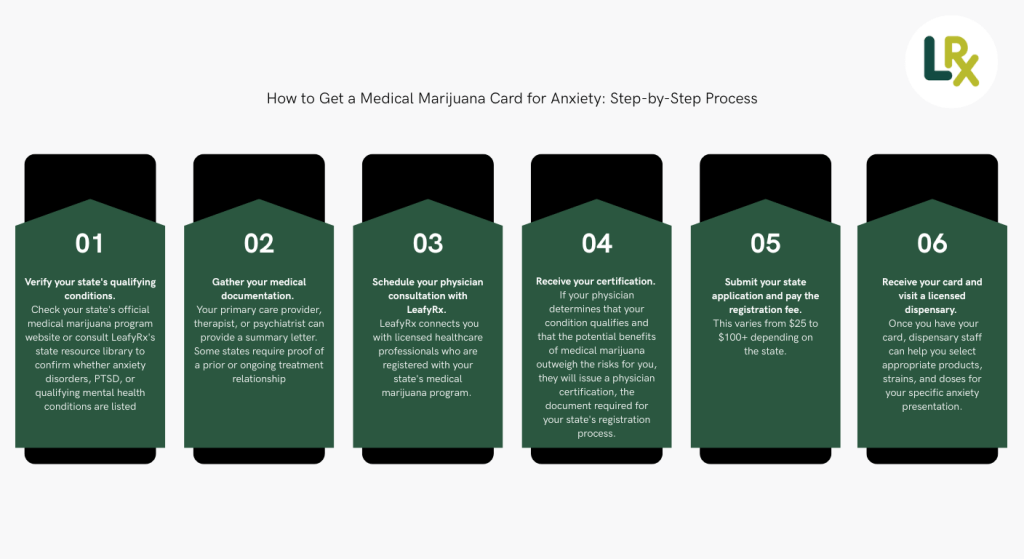
If you are ready to explore whether medical marijuana for anxiety treatment is right for you, here is the complete step-by-step process for obtaining a medical card:
-
Verify your state’s qualifying conditions. Check your state’s official medical marijuana program website or consult LeafyRx’s state resource library to confirm whether anxiety disorders, PTSD, or qualifying mental health conditions are listed. Some states use broad physician-discretion language that effectively covers anxiety even without naming it explicitly.
-
Gather your medical documentation. You will need evidence of your diagnosis and ideally documentation of prior treatments that have been tried. Your primary care provider, therapist, or psychiatrist can provide a summary letter. Some states require proof of a prior or ongoing treatment relationship.
-
Schedule your physician consultation with LeafyRx. LeafyRx connects you with licensed healthcare professionals who are registered with your state’s medical marijuana program. The evaluation is entirely online, takes approximately 15 to 30 minutes, and can be done from your home on any device. LeafyRx serves patients across the United States and offers the lowest certification fees in the industry with an approved-or-money-back guarantee.
-
Receive your certification. If your physician determines that your condition qualifies and that the potential benefits of medical marijuana outweigh the risks for you, they will issue a physician certification, the document required for your state’s registration process.
-
Submit your state application and pay the registration fee. This varies from $25 to $100+ depending on the state. Your LeafyRx physician or support team can guide you through your specific state’s submission portal.
-
Receive your card and visit a licensed dispensary. Processing times range from same-day in Nevada to 30 days in some states. Once you have your card, dispensary staff can help you select appropriate products, strains, and doses for your specific anxiety presentation.
Start Your Medical Marijuana Card Process for Anxiety Today
LeafyRx has helped over 100,000 patients access medical marijuana across the United States. The process is 100% online, fast, private, and HIPAA-compliant. Our licensed doctors understand anxiety and can help determine if medical marijuana is right for you. The lowest cost in the U.S., approved or your money back.
Go to LeafyRx.org to schedule your evaluation and get started.
Medical Marijuana for Anxiety: Anxiety Subtypes and How Treatment Differs
Not every anxiety disorder responds the same way to medical marijuana for anxiety treatment. Understanding the nuances by subtype helps patients and providers select the most appropriate products and strategies.
Generalized Anxiety Disorder (GAD) and Medical Marijuana
GAD is characterized by pervasive, chronic worry that is difficult to control, often accompanied by muscle tension, fatigue, irritability, difficulty concentrating, and disrupted sleep. For GAD, consistent low-dose CBD or microdosing THC for anxiety throughout the day is the most appropriate approach. The goal is sustained, mild anxiolysis without sedation or impairment. Research published in Pharmacology Biochemistry and Behavior documented CBD’s ability to reduce tonic (persistent background) anxiety in human trials, supporting its use in GAD specifically. CBD oils or sublingual tinctures taken two to three times daily at low doses are well-suited to this condition.
Social Anxiety Disorder and Medical Marijuana
Social anxiety involves intense fear of social situations and performance scenarios. CBD for panic attacks and social performance anxiety has been most rigorously studied here. The public speaking studies cited throughout this article used social anxiety paradigms specifically, and found robust CBD efficacy. For social anxiety, high-CBD products taken 30 to 60 minutes before a social situation or used as part of a consistent daily regimen offer the best evidence base. THC-dominant products are not recommended for social anxiety, as they can increase self-consciousness and paranoia, worsening the core symptom.
Panic Disorder and Medical Marijuana
Panic disorder requires the most caution in medical marijuana for anxiety treatment because of the elevated risk that high-dose THC can provoke panic attacks in this population. Pure CBD or very low-dose balanced products are most appropriate. Behavioral education about the physiological similarities between THC’s cardiovascular effects and panic attack sensations is essential before initiating any THC-containing product. Microdosing THC for anxiety is better tolerated than standard dosing in this population when THC is used at all.
PTSD and Medical Marijuana
PTSD is the single most widely recognized qualifying condition for can you get a medical card for anxiety purposes across U.S. state programs. The endocannabinoid system’s central role in fear extinction makes PTSD a particularly compelling indication for cannabis-based treatment. Cannabis may help reduce nightmare frequency and intensity, hyperarousal, and the emotional activation triggered by trauma cues. Research reviewed from Informit found statistically meaningful reductions in PTSD symptom severity scores among medical cannabis users compared to non-users, with the strongest effects observed in hyperarousal symptoms and nightmare frequency. Full-spectrum products with both THC and CBD appear more effective than either compound alone for PTSD.
Practical Tips for Using Medical Marijuana Safely for Anxiety
Once you have obtained your medical marijuana card, the following evidence-based practices will maximize the benefit of medical marijuana for anxiety treatment while minimizing risk:
-
Start with CBD before adding THC. Pure CBD products carry virtually no psychoactive risk and have the strongest safety evidence. Establish a baseline with CBD before introducing any THC.
-
Start low and go slow with THC. Never exceed 2.5 mg of THC for your first several sessions regardless of your tolerance or body weight. Anxiety patients are often more sensitive to THC than average.
-
Avoid mixing cannabis with alcohol or other central nervous system depressants. Alcohol amplifies THC impairment and can produce unpredictable and severe anxiety responses.
-
Use a consumption journal. Track dose, product, route, time of use, and anxiety levels before and two hours after each session. This data is invaluable for refining your regimen and communicating progress to your physician.
-
Set and setting matter. Cannabis-induced anxiety is much more likely in unfamiliar, stressful, or uncomfortable environments. For your first sessions with any new product, use it in a safe, familiar, comfortable space.
-
Work with your dispensary’s pharmacist or knowledgeable staff. Licensed dispensaries employ staff who can help you navigate product selection based on cannabinoid and terpene profiles, not just strain names.
-
Continue working with your mental health team. Medical marijuana is most effective as part of a comprehensive anxiety treatment plan that includes therapy, lifestyle interventions, and appropriate medication management.
The Future of Medical Marijuana for Anxiety: Where Research Is Heading
The science behind medical marijuana for anxiety is advancing rapidly. Several large-scale randomized controlled trials are currently underway examining CBD and full-spectrum cannabis products for GAD, social anxiety, and PTSD. These trials will provide the high-quality evidence that both the FDA and clinical community require before formal treatment guidelines can be established.
Key research directions include personalized cannabis medicine based on individual endocannabinoid system genetics, the use of specific terpene profiles to tailor anxiety outcomes, novel delivery systems that improve dose precision, and combinations of cannabis with evidence-based psychotherapies such as cognitive behavioral therapy and exposure therapy. The hope is that within the next decade, medical marijuana for anxiety treatment will be as precisely calibrated and evidence-based as any other pharmacological tool in the clinical toolkit.
From a policy perspective, the ongoing expansion of state medical programs continues to generate real-world patient data that informs the research agenda. Systematic reviews such as those published via Mental Health Clinician and analyzed across large patient databases help identify subpopulations most likely to benefit, those most at risk of harm, and the conditions under which supervised medical cannabis use produces better outcomes than unsupervised recreational use. The evidence consistently supports formal, physician-guided medical marijuana programs over self-medication for anxiety patients.
Summary
Medical marijuana for anxiety treatment sits at a meaningful and evolving intersection of neuroscience, clinical medicine, and public health policy. The evidence base for cannabis, particularly CBD, as an anxiolytic agent is credible and growing, and the practical framework for accessing medical marijuana legally through certified programs like LeafyRx has never been more accessible or straightforward.
The key messages are consistent throughout this guide: dose matters enormously, strain selection determines whether cannabis helps or harms anxiety, CBD for panic attacks is supported by clinical evidence, microdosing THC for anxiety offers a safer path than standard dosing, can weed cause anxiety attacks is a real concern that demands honest patient education, and the question can you get a medical marijuana card for anxiety increasingly has a yes answer in states across the country.
Whether you are considering cannabis as a first-time option or as a complement to existing treatments, doing so through a formal, licensed, physician-guided program protects your safety, ensures product quality, and gives you access to the kind of professional guidance that makes the difference between a beneficial therapeutic experience and a worsened anxiety state.




 Ask ChatGPT
  Ask Claude
  Ask Perplexity