
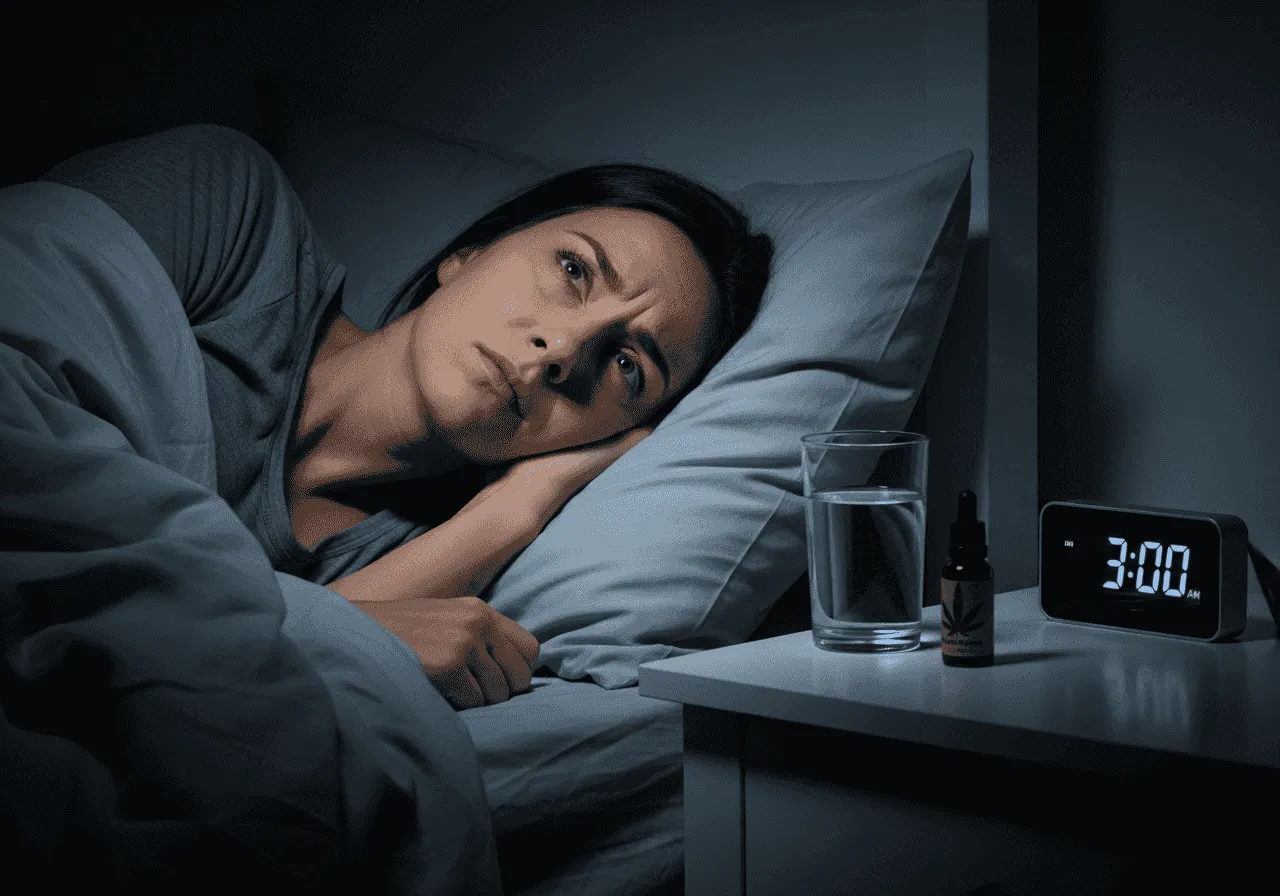

Living with insomnia means facing another night of staring at the ceiling, watching the clock tick closer to morning, knowing tomorrow will bring exhaustion and frustration. For the millions of Americans struggling with chronic sleep disorders, restful nights can feel impossible. Traditional sleep medications often come with harsh side effects, dependency risks, and diminishing effectiveness over time. But growing research suggests that medical marijuana for insomnia may offer a safer, more natural path to better sleep.
At LeafyRX, we understand the profound impact that sleep disorders have on every aspect of your life. Our platform connects you with licensed medical professionals who can evaluate whether medical cannabis might help you finally get the restorative sleep you need.
Understanding Insomnia
Insomnia is more than just occasional sleepless nights. It’s a persistent sleep disorder that affects over 70 million Americans, making it one of the most prevalent chronic health conditions in the United States. According to data from the CDC and National Sleep Foundation, approximately 30% of adults experience symptoms of insomnia, while 10% suffer from chronic insomnia disorder that significantly impacts their daily functioning.
What Insomnia Feels Like
Insomnia manifests in several distinct patterns. Some people struggle with sleep onset insomnia, lying awake for hours unable to fall asleep despite feeling exhausted. Others experience sleep maintenance insomnia, waking multiple times throughout the night and unable to return to sleep. Early morning awakening, where people wake hours before their alarm with no ability to fall back asleep, represents another common pattern. Research published in medical journals confirms that sleep disorders are among the most common reasons patients seek medical marijuana treatment.
The experience goes far beyond simply feeling tired. Insomnia creates a vicious cycle where worry about not sleeping makes sleep even more elusive. Many patients describe racing thoughts, physical tension, and heightened awareness of every sound and sensation that prevents relaxation.
Why Insomnia is a Serious Health Issue
Chronic sleep deprivation wreaks havoc on both physical and mental health. Research published in the Journal of Clinical Sleep Medicine demonstrates that persistent insomnia increases risks for cardiovascular disease, diabetes, obesity, and weakened immune function. Mental health suffers too, with strong links between insomnia and depression, anxiety disorders, and cognitive decline.
Traditional treatments like benzodiazepines and “Z-drugs” (zolpidem, eszopiclone) can provide short-term relief but carry significant risks. These medications often lead to tolerance, dependence, rebound insomnia, and concerning side effects including next-day impairment and increased fall risk in older adults. Many patients find themselves trapped, unable to sleep without medication yet experiencing diminishing benefits and mounting concerns about long-term use.
This is where medical cannabis enters the conversation, offering a potential alternative that works differently than conventional sleep aids.
How Insomnia Affects the Body and Mind

Sleep isn’t just downtime for your brain and body. It’s an active, essential process for physical restoration, memory consolidation, emotional regulation, and cellular repair. When insomnia disrupts this process chronically, the consequences ripple through every system.
The Body’s Response to Sleep Deprivation
Without adequate sleep, your body remains in a heightened state of stress. The hypothalamic-pituitary-adrenal (HPA) axis, which regulates stress responses, becomes dysregulated. This leads to elevated cortisol levels, increased blood pressure, and chronic inflammation throughout the body.
Physical effects of chronic insomnia include:
-
Metabolic disruption: Impaired glucose metabolism and insulin sensitivity increase diabetes risk
-
Cardiovascular strain: Elevated blood pressure and heart rate variability
-
Immune suppression: Reduced natural killer cell activity and inflammatory cytokine imbalances
-
Hormonal imbalances: Disrupted growth hormone, leptin, and ghrelin production affecting appetite and metabolism
-
Accelerated aging: Cellular damage from oxidative stress and impaired DNA repair
The Mind-Body Connection in Insomnia
The relationship between insomnia and mental health is bidirectional and complex. Insomnia dramatically increases the risk of developing major depression, with some studies showing that persistent sleep problems precede depression in about 40% of cases. Anxiety disorders and insomnia feed each other in a destructive cycle where worry prevents sleep, and sleep deprivation worsens anxiety.
Cognitive effects include:
-
Memory impairment: Difficulty with both short-term and long-term memory consolidation
-
Reduced attention and concentration: Increased errors and decreased productivity
-
Emotional dysregulation: Heightened reactivity and reduced resilience to stress
-
Impaired decision-making: Reduced executive function and impulse control
This comprehensive impact on health and quality of life explains why more patients and physicians are exploring medical marijuana for insomnia as a potential therapeutic option.
Science Behind Cannabis and Sleep Relief
To understand how medical marijuana affects insomnia, we need to examine how cannabinoids interact with the body’s natural systems that regulate sleep-wake cycles, stress responses, and overall homeostasis.
The Endocannabinoid System (ECS) and Sleep Regulation
The endocannabinoid system plays a crucial role in maintaining sleep-wake homeostasis. Discovered in the 1990s, the ECS consists of endocannabinoids (naturally produced compounds), cannabinoid receptors (CB1 and CB2), and enzymes that synthesize and break down these compounds. Research has shown that the ECS helps regulate:
-
Circadian rhythms: The natural sleep-wake cycle
-
REM sleep: Critical for emotional processing and memory
-
Sleep stability: Preventing nighttime awakenings
-
Sleep onset: The transition from wakefulness to sleep
When insomnia is present, the ECS may become imbalanced or depleted. Cannabis compounds can help restore this balance by interacting with cannabinoid receptors throughout the brain and body.
How THC Affects Sleep
Tetrahydrocannabinol (THC), the primary psychoactive compound in cannabis, interacts predominantly with CB1 receptors in the central nervous system. Research from the journal SLEEP demonstrates that THC can:
-
Reduce sleep latency: Help patients fall asleep faster by reducing the time it takes to transition from wakefulness to sleep
-
Increase slow-wave sleep: Enhance deep, restorative sleep stages
-
Reduce REM sleep initially: While this may seem concerning, some patients with PTSD-related nightmares benefit from REM suppression
-
Provide sedating effects: Particularly beneficial for sleep onset insomnia
However, the relationship between THC and sleep is dose-dependent. Lower doses (2.5-5mg) tend to promote sleep, while higher doses may actually increase wakefulness or cause next-day grogginess.
CBD’s Role in Sleep Disorders
Cannabidiol (CBD) works differently than THC, with more subtle effects on sleep. Research shows that rather than directly inducing sedation, CBD appears to address underlying causes of sleep disruption:
-
Anxiety reduction: CBD has well-documented anxiolytic properties that can calm racing thoughts preventing sleep
-
Pain relief: Anti-inflammatory effects may reduce pain-related sleep disruption
-
Wakefulness regulation: Paradoxically, CBD may promote wakefulness during the day, helping to stabilize circadian rhythms
-
REM behavior disorder: May reduce disruptive nighttime movements in Parkinson’s disease patients
A 2021 systematic review and meta-analysis published in SLEEP examined 39 randomized clinical trials involving 5,100 patients. The research found moderate to high certainty evidence that medical cannabis improved sleep quality and reduced sleep disturbance, particularly in patients with chronic pain-related insomnia.
Clinical Research Highlights
Several key studies support the use of medical marijuana for insomnia:
A 2022 randomized clinical trial published in JAMA Network Open involving 186 participants found that medical marijuana card ownership led to significant improvements in self-reported insomnia symptoms. The study showed a mean difference of -2.90 on the Athens Insomnia Scale (a validated measure of sleep difficulty) at 12 weeks, indicating meaningful clinical improvement.
Research from McMaster University’s systematic review of medical cannabis for impaired sleep analyzed data from predominantly chronic pain patients. They found that compared to placebo, medical cannabis resulted in a small but significant improvement in sleep quality, with approximately 8% more patients achieving clinically meaningful improvement. For sleep disturbance specifically, 19% of chronic non-cancer pain patients reported reduced sleep problems.
A 2021 study in the Journal of Cannabis Research examined real-world data from medical cannabis patients using cannabis for sleep over three months. Results showed that participants experienced improved sleep quality, reduced time to fall asleep, and fewer nighttime awakenings.
The endocannabinoid system’s role in sleep regulation provides a biological basis for why cannabis may help insomnia, while clinical trials offer preliminary evidence of effectiveness, particularly for patients whose insomnia is linked to chronic pain or anxiety.
Common Types of Insomnia That May Qualify for Medical Marijuana
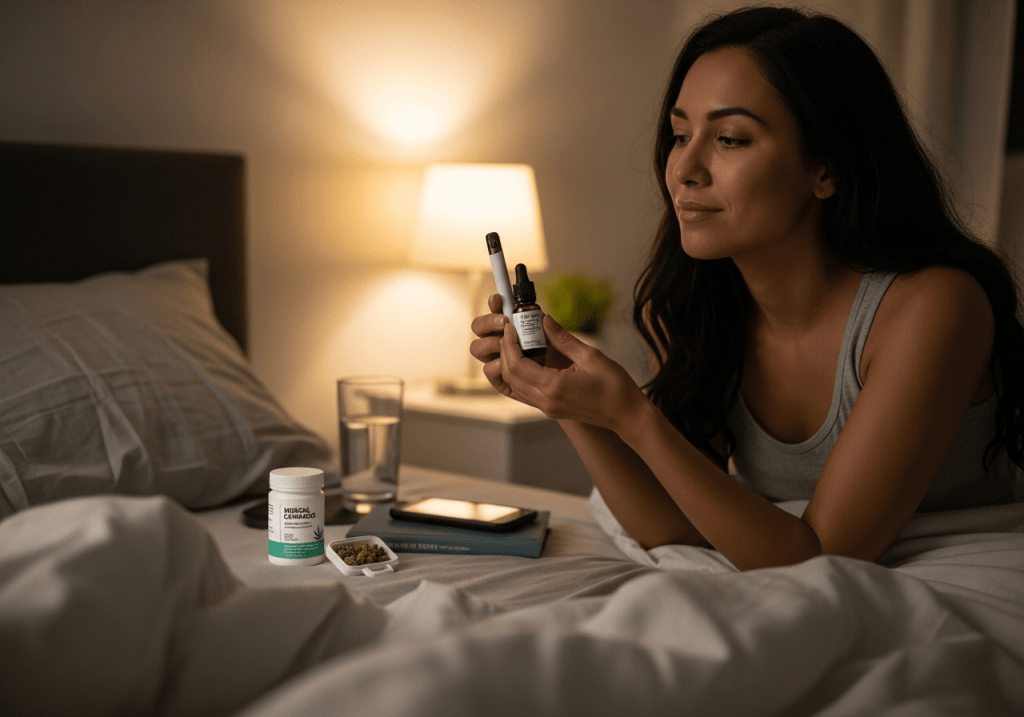
Different types of insomnia respond differently to various treatments. Medical marijuana may be particularly helpful for certain insomnia subtypes and underlying conditions.
1. Chronic Primary Insomnia
This is insomnia that persists for at least three months without another medical or psychiatric condition fully explaining the sleep difficulty. While research on cannabis specifically for primary insomnia is limited, many states recognize chronic insomnia as a standalone qualifying condition for medical marijuana programs.
Patients report that cannabis helps by:
-
Quieting racing thoughts and mental hyperarousal
-
Reducing physical tension and promoting relaxation
-
Breaking the cycle of sleep anxiety
-
Providing consistent sleep onset without the tolerance issues common with benzodiazepines
2. Pain-Related Insomnia
Chronic pain is one of the most common causes of insomnia, with up to 90% of chronic pain patients reporting sleep disturbances. The research evidence is strongest for this population. As noted in the McMaster University systematic review, medical cannabis significantly improved sleep disturbance in chronic pain patients, with one in five non-cancer pain patients experiencing meaningful relief.
Cannabis addresses pain-related insomnia through:
-
Direct analgesic effects: Reducing pain intensity that prevents sleep
-
Anti-inflammatory properties: Decreasing tissue inflammation underlying many pain conditions
-
Muscle relaxation: Easing tension and spasms
-
Dual mechanism: Treating both the pain and the associated sleep disruption
Conditions commonly causing pain-related insomnia include fibromyalgia, arthritis, neuropathy, migraine, and post-surgical pain.
3. Anxiety and Depression-Related Insomnia
Mental health conditions are among the most common causes of persistent sleep problems. Approximately 80% of people with depression experience insomnia, while anxiety disorders frequently manifest with racing thoughts that prevent sleep onset.
Medical cannabis may help by:
-
Reducing anxiety: CBD in particular has demonstrated anxiolytic effects in multiple clinical trials
-
Mood stabilization: Helping regulate emotional responses that interfere with sleep
-
Breaking rumination cycles: Quieting repetitive negative thoughts common in depression and anxiety
However, the 2022 JAMA study noted that patients seeking medical cannabis primarily for anxiety or depression were at higher risk of developing cannabis use disorder. This highlights the importance of medical supervision and careful monitoring when using cannabis for mental health-related insomnia.
4. PTSD-Related Insomnia and Nightmares
Post-traumatic stress disorder frequently causes severe sleep disruption, including difficulty falling asleep, frequent awakenings, and recurrent nightmares. A randomized controlled trial found that nabilone (a synthetic cannabinoid) significantly reduced nightmare frequency and intensity in PTSD patients compared to placebo.
Cannabis may help PTSD-related sleep problems by:
-
REM suppression: Reducing the vivid, disturbing dreams characteristic of PTSD
-
Fear extinction: Helping process traumatic memories without overwhelming distress
-
Hyperarousal reduction: Calming the heightened threat response that prevents sleep
5. Shift Work Sleep Disorder
People working irregular or night shifts often struggle with circadian rhythm disruption. While research is limited, some patients report that cannabis helps them sleep during unconventional hours. The key is timing doses to match the desired sleep period without creating daytime impairment during work hours.
6. Insomnia Related to Neurological Conditions
Multiple sclerosis, Parkinson’s disease, and other neurological conditions frequently cause sleep disturbances. Research has shown that cannabis can help with both the underlying condition and associated sleep problems. For example, CBD has shown promise in reducing REM behavior disorder in Parkinson’s patients.
7. Menopause-Related Insomnia
Hormonal changes during perimenopause and menopause commonly trigger sleep problems, including night sweats and difficulty maintaining sleep. While specific research on cannabis for menopausal insomnia is sparse, many women report improvement in sleep quality when using medical cannabis. The endocannabinoid system interacts with estrogen pathways, potentially explaining these effects.
Most U.S. states with medical marijuana programs recognize insomnia or sleep disorders as qualifying conditions, either as standalone conditions or when occurring alongside conditions like chronic pain, PTSD, or cancer.
Types of Medical Marijuana Products for Insomnia Relief
Choosing the right cannabis product and delivery method significantly impacts effectiveness for sleep. Different formulations offer varying onset times, duration of effects, and cannabinoid profiles suited to different sleep problems.
1. Inhalation: Vaping
How it works: Vaporizing cannabis heats it to release cannabinoids without combustion, allowing rapid absorption through the lungs. Effects typically begin within 5-15 minutes.
Best for:
-
Sleep onset insomnia (difficulty falling asleep)
-
Patients needing to assess effects before committing to longer-acting products
-
Acute insomnia flare-ups
Pros:
-
Fast onset allows timed use right before bed
-
Easy dose titration by taking small inhalations
-
Avoids harsh smoke and respiratory irritation
-
Effects peak quickly then taper, potentially reducing next-day grogginess
Cons:
-
Shorter duration (2-4 hours) may not prevent middle-of-night awakenings
-
Some patients experience throat irritation
-
Device requirements and learning curve for new users
Tip: For insomnia, consider high-THC strains or balanced THC:CBD ratios. Start with 1-2 inhalations 30 minutes before bedtime, waiting to assess effects before additional use.
2. Oral Products: Edibles, Capsules, and Oils
How it works: Ingested cannabis passes through the digestive system, where cannabinoids are metabolized by the liver before entering the bloodstream. This process takes 30-90 minutes but produces effects lasting 6-8 hours or longer.
Best for:
-
Sleep maintenance insomnia (staying asleep through the night)
-
Patients needing consistent, long-lasting effects
-
Those who prefer smokeless, discrete options
Pros:
-
Extended duration helps maintain sleep all night
-
Precise, consistent dosing with commercially prepared products
-
No respiratory concerns
-
Often preferred by cannabis-naïve patients
Cons:
-
Delayed onset requires taking well before bedtime
-
Longer duration may cause next-day grogginess if dose is too high
-
Metabolization produces 11-hydroxy-THC, which is more potent and can feel different than inhaled THC
Tip: Start with very low doses (2.5mg THC) taken 60-90 minutes before desired sleep time. Many patients find success with 5-10mg THC combined with 10-25mg CBD. Research supports these lower dosing strategies for optimal sleep benefits. Be patient with onset time and avoid redosing the same night.
3. Sublingual Tinctures and Oils
How it works: Drops or sprays placed under the tongue absorb directly into the bloodstream through mucous membranes, bypassing first-pass liver metabolism. Effects begin in 15-30 minutes and last 4-6 hours.
Best for:
-
Both sleep onset and maintenance issues
-
Patients wanting faster onset than edibles but longer duration than vaping
-
Precise dose adjustments
Pros:
-
Balanced onset time and duration
-
Highly titratable with dropper measuring
-
Can hold under tongue for faster absorption or swallow for longer duration
-
No equipment needed beyond the bottle
Cons:
-
Cannabis taste may be unpleasant (though flavored options exist)
-
Requires holding liquid under tongue for 60-90 seconds
-
Effects can be variable depending on swallowing timing
Tip: Popular insomnia formulations include 1:1 THC:CBD ratios or CBD-dominant (20:1 CBD:THC) options. Take 30-45 minutes before bed, holding under tongue for maximum sublingual absorption.
4. Topicals (Limited Role for Insomnia)
While topical cannabis products excel for localized pain, they do not produce psychoactive effects or systemic sleep-promoting benefits. However, if pain in a specific area prevents sleep, topicals applied to that region may indirectly improve rest.
Best for:
-
Insomnia specifically caused by localized joint or muscle pain
-
Complementing oral or inhaled cannabis for pain-related sleep issues
Tip: Apply liberally to painful areas 30-60 minutes before bed. Topicals work best combined with other administration methods for comprehensive insomnia treatment.
5. Cannabis Suppositories
Though less common, rectal or vaginal cannabis suppositories provide systemic effects without psychoactivity when absorbed through these mucous membranes. Some patients with severe sleep disorders find this route effective.
Best for:
-
Patients unable to inhale or swallow
-
Those sensitive to psychoactive effects who need systemic cannabinoid exposure
-
Individuals with gastrointestinal issues affecting oral absorption
Choosing What Works Best for Your Insomnia
The ideal product depends on your specific sleep pattern:
-
Sleep onset insomnia only: Vaporized or sublingual products timed shortly before bed
-
Sleep maintenance insomnia: Oral edibles or higher-dose sublingual taken 60-90 minutes before sleep
-
Both onset and maintenance issues: Combination approach using fast-acting method for onset plus longer-acting oral product, or single sublingual dose
-
Pain-related insomnia: Oral products for systemic relief, potentially combined with topicals for targeted pain
Working with a knowledgeable medical marijuana doctor through platforms like LeafyRX ensures you receive personalized guidance on product selection, dosing, and timing optimized for your unique sleep challenges.
Understanding THC:CBD Ratios and Strain Selection for Sleep
Not all cannabis is equal when it comes to promoting sleep. The ratio of THC to CBD, along with strain genetics and terpene profiles, dramatically influences sleep effects.
THC:CBD Ratios for Insomnia
| Ratio Type | Composition | Best For | Expected Effects |
|---|---|---|---|
| High THC (10:1 to pure) | Mostly or entirely THC | Severe sleep onset insomnia, PTSD-related nightmares | Strong sedation, faster sleep onset, REM suppression, higher psychoactivity |
| Balanced (1:1 to 2:1) | Equal or slightly more THC than CBD | General insomnia, anxiety-related sleep issues | Moderate sedation with reduced anxiety, less psychoactivity than pure THC |
| CBD-Dominant (1:4 to 1:20) | Much more CBD than THC | Anxiety-driven insomnia, patients avoiding psychoactivity | Anxiety relief, circadian regulation, minimal to no “high” |
| High CBD (20:1 to pure) | Mostly or entirely CBD | Daytime anxiety affecting nighttime sleep, pediatric patients | Non-intoxicating anxiety relief, may promote daytime alertness |
Important note on tolerance: Regular use of high-THC products can lead to tolerance, potentially reducing sleep benefits over time and causing rebound insomnia upon discontinuation. Rotating strains or taking occasional “tolerance breaks” may help maintain effectiveness.
Strain Types and Sleep
Cannabis strains traditionally fall into three categories based on their genetics and effects:
Indica-Dominant Strains
-
Classic sleep-promoting effects: Body relaxation, sedation, mental calm
-
Best for: Sleep onset insomnia, restlessness, pain-related sleep disruption
-
Terpene profile: Often high in myrcene (sedating), linalool (calming)
-
Popular sleep strains: Northern Lights, Granddaddy Purple, Bubba Kush, Purple Punch, Afghan Kush
Sativa-Dominant Strains
-
Generally not recommended for sleep: Can be energizing and mentally stimulating
-
Possible exception: Daytime use to reduce anxiety that interferes with sleep later
-
Note: May cause racing thoughts or increased heart rate if used too close to bedtime
Hybrid Strains
-
Balanced effects: Combine relaxation with some mental clarity
-
Best for: Patients needing sleep help but concerned about heavy sedation
-
Flexibility: Can be indica-leaning or sativa-leaning
-
Popular sleep-friendly hybrids: Blue Dream, OG Kush, Girl Scout Cookies, Wedding Cake
Important caveat: The indica/sativa distinction is increasingly recognized as oversimplified. Cannabinoid content and terpene profile matter more than genetics alone. Two “indica” strains can produce very different effects based on their chemical composition.
The Critical Role of Terpenes in Sleep
Terpenes are aromatic compounds in cannabis that contribute to its scent and therapeutic effects. They work synergistically with cannabinoids through the “entourage effect,” enhancing and modulating cannabis’s impact on sleep.
Sleep-promoting terpenes:
-
Myrcene: Powerfully sedating, found in hops and lemongrass. The most abundant terpene in many indica strains. Look for strains with >0.5% myrcene for sleep.
-
Linalool: Calming and anxiolytic, also found in lavender. Helps quiet anxious thoughts interfering with sleep. Offers both sleep onset and anxiety relief.
-
Caryophyllene: Anti-inflammatory and pain-relieving by acting on CB2 receptors. Helpful for pain-related insomnia. Found in black pepper and cloves.
-
Humulene: Anti-inflammatory and appetite-suppressing. May help patients whose insomnia is worsened by inflammation. Found in hops.
-
Terpinolene: Less common but associated with sedation in higher concentrations. Found in some hybrid and sativa strains.
Activating terpenes to avoid close to bedtime:
-
Limonene: Uplifting, energizing, often found in citrus-scented strains
-
Pinene: Promotes alertness and memory, may counteract sedation
-
Terpinolene: In lower concentrations can be energizing
When selecting products for insomnia, examine lab testing results showing both cannabinoid percentages and terpene profiles. An indica strain with high myrcene and linalool will likely be more sedating than one with high limonene, regardless of THC content.
Finding Your Personal Formula
Cannabis affects everyone differently based on individual endocannabinoid system function, metabolism, tolerance, and sensitivity. What works for one person’s insomnia may not work for another. This is why consultation with medical professionals through services like LeafyRX is valuable.
A systematic approach to finding your ideal cannabis sleep formula:
-
Start low and go slow: Begin with minimal doses to assess tolerance and effects
-
Track your response: Keep a sleep diary noting product, dose, timing, and results
-
Adjust gradually: Change one variable at a time (dose, ratio, strain, timing)
-
Consider timing: Match product onset time to your sleep schedule
-
Rotate strains: Periodically change strains to prevent tolerance
-
Monitor tolerance: If effects diminish, take a break or adjust approach
Research and Evidence Supporting Medical Marijuana for Insomnia

While cannabis has been used as a sleep aid for centuries, rigorous scientific investigation into its effects on insomnia has accelerated in recent years. Let’s examine the current state of evidence.
Major Systematic Reviews and Meta-Analyses
A landmark 2021 systematic review and meta-analysis published in the journal SLEEP by researchers at McMaster University represents one of the most comprehensive examinations of cannabis for sleep to date. Analyzing 39 randomized controlled trials involving 5,100 patients, the review found:
-
Sleep quality improvement: Moderate certainty evidence that medical cannabis resulted in a small but meaningful improvement in sleep quality compared to placebo. The modeled risk difference showed that 8% more patients achieved clinically important improvement.
-
Sleep disturbance reduction: High certainty evidence for improvement in sleep disturbance among chronic non-cancer pain patients, with 19% achieving meaningful benefit. For chronic cancer pain patients, the benefit was smaller but still statistically significant.
-
Patient population: Most trials enrolled individuals with chronic pain, limiting generalizability to primary insomnia.
-
Safety concerns: The research identified increased risks of dizziness (29% with longer-term use), nausea (10%), and other side effects, though most were mild and transient.
The review’s authors concluded that “medical cannabis and cannabinoids may improve impaired sleep among people living with chronic pain, but the magnitude of benefit is likely small.”
Randomized Controlled Trials
The 2022 study published in JAMA Network Open by researchers at Massachusetts General Hospital and Harvard Medical School represents one of the few randomized controlled trials specifically examining medical marijuana card ownership for insomnia. Key findings included:
-
Study design: 186 participants randomized to immediate versus delayed medical marijuana card acquisition
-
Insomnia results: Participants with primary concern of insomnia who obtained medical marijuana cards experienced significant improvement in self-reported sleep symptoms, with a mean difference of -2.90 points on the Athens Insomnia Scale
-
Clinical significance: The improvement exceeded minimal clinically important difference thresholds, indicating meaningful real-world benefit
-
Safety note: Participants seeking cards primarily for anxiety or depression had higher rates of developing cannabis use disorder, highlighting the importance of appropriate patient selection
Smaller randomized controlled trials have examined specific cannabinoid formulations:
-
A trial of nabilone (synthetic THC) in PTSD patients found significant reduction in nightmare frequency and improved sleep quality
-
Research on dronabinol for obstructive sleep apnea showed reduced daytime sleepiness at 10mg dose
-
CBD studies for anxiety-related sleep disturbances demonstrated improved sleep scores secondary to anxiety reduction
Real-World Evidence and Observational Studies
Survey data and observational studies provide insights into how medical cannabis users employ the plant for sleep in real-world settings:
-
A 2021 study in the Journal of Cannabis Research tracking medical cannabis users over three months found consistent improvements in sleep onset latency, sleep duration, and overall sleep quality
-
Patient surveys repeatedly show sleep/insomnia as one of the top three reasons for medical cannabis use, with 70-84% reporting effectiveness
-
Analysis of cannabis strain preferences for sleep shows patient gravitation toward indica-dominant, high-myrcene strains
Comparison to Traditional Sleep Medications
While head-to-head trials of cannabis versus conventional sleep aids are lacking, some research provides indirect comparisons:
| Treatment Type | Sleep Benefit | Dependency Risk | Tolerance Development | Common Side Effects |
|---|---|---|---|---|
| Benzodiazepines | Strong short-term | High | Rapid | Cognitive impairment, falls, next-day sedation |
| Z-drugs | Moderate | Moderate | Moderate | Sleepwalking, complex behaviors, dependency |
| Antihistamines | Mild | Low | Rapid | Dry mouth, constipation, cognitive dulling |
| Melatonin | Mild | None | None | Daytime drowsiness, vivid dreams |
| Medical Cannabis | Mild to moderate | Low to moderate | Develops over time | Dizziness, dry mouth, possible next-day effects |
Cannabis stands out for having lower addiction potential than benzodiazepines and Z-drugs, though tolerance and dependence remain possible, especially with heavy use. The side effect profile tends to be more favorable than conventional sleep medications, particularly for older adults at risk for falls and cognitive impairment from sedative-hypnotics.
Limitations and Gaps in Current Research
Despite growing evidence, significant limitations remain:
-
Short duration: Most trials followed patients for only weeks to months, not addressing long-term effectiveness and safety
-
Specific populations: Research has focused heavily on chronic pain patients, leaving questions about effectiveness in primary insomnia
-
Lack of standardization: Studies used varying cannabinoid ratios, doses, and products, making direct comparisons difficult
-
Funding constraints: Federal restrictions have limited large-scale NIH-funded research
-
Publication bias: Some negative or null findings may go unpublished
Ongoing and Future Research
The research landscape continues to evolve. Ongoing studies are examining:
-
Long-term cannabis use for chronic insomnia (multi-year follow-up)
-
Specific cannabinoid ratios optimized for different insomnia types
-
Combination approaches (cannabis plus cognitive behavioral therapy for insomnia)
-
Mechanisms of action at the cellular and neurochemical level
-
Withdrawal effects and strategies to prevent rebound insomnia
Institutions including Johns Hopkins, University of Colorado, and Washington State University are conducting rigorous trials that will further clarify cannabis’s role in sleep medicine.
What This Means for Patients
Current evidence suggests that medical cannabis can benefit sleep, particularly for patients with pain-related insomnia or when conventional treatments have failed or caused unacceptable side effects. The benefits appear modest rather than dramatic for most users, and individual responses vary significantly.
For patients considering medical marijuana for insomnia, this research landscape suggests:
-
Set realistic expectations—improvement, not cure
-
Work with knowledgeable medical professionals
-
Start with low doses and titrate gradually
-
Consider cannabis as part of comprehensive sleep hygiene, not replacement for good sleep habits
-
Monitor for tolerance and dependence, especially with regular use
States That Approve Medical Marijuana for Insomnia
Medical marijuana laws vary widely across the United States, creating a complex patchwork of eligibility, possession limits, and access regulations. Understanding your state’s specific policies is essential for legal compliance.
Is Insomnia a Qualifying Condition?
Yes, in most medical marijuana states. Insomnia or sleep disorders qualify as a standalone condition in the majority of states with medical cannabis programs. As of 2025, over 35 states plus Washington D.C. have legalized medical marijuana, with most recognizing sleep disorders as qualifying conditions.
States may list insomnia under various terms:
-
“Chronic insomnia” (California, Arizona)
-
“Severe or persistent insomnia” (New York, Illinois)
-
“Sleep disorders” (New Mexico)
-
“Intractable insomnia” (Oregon)
-
“Insomnia of any origin” (Pennsylvania)
Some states don’t explicitly list insomnia but include “chronic pain” or “severe pain,” conditions that frequently cause sleep problems, or include general physician discretion clauses allowing certification for any debilitating condition.
Examples of States Approving Insomnia
-
California: One of the earliest medical marijuana states, California allows physician recommendation for any condition where cannabis provides relief. Chronic insomnia clearly qualifies.
-
Florida: Recognizes chronic nonmalignant pain, PTSD, cancer, and various conditions that commonly cause insomnia. While insomnia itself isn’t explicitly listed, many patients qualify through related conditions.
-
New York: Explicitly includes chronic pain, PTSD, and “any terminal or severe debilitating or life-threatening condition.” Many physicians certify patients for insomnia under these provisions.
-
Pennsylvania: Lists “severe chronic or intractable pain of neuropathic origin or severe chronic or intractable pain” among 23 qualifying conditions. Many insomnia patients qualify through chronic pain.
-
Illinois: Approved “chronic pain that is refractory to other medical treatments” and allows physician discretion for debilitating conditions, including insomnia.
-
New Mexico: One of the first states to specifically include insomnia among its qualifying medical conditions.
-
Arizona: Chronic pain qualifies, as do conditions approved by physician certification when conventional treatments have failed.
-
Oregon: Includes “intractable or severe” insomnia as a qualifying condition.
Possession and Purchase Limits
Each state determines maximum amounts patients may legally possess or purchase, typically ranging from:
-
1 to 2.5 ounces of usable marijuana flower, or
-
A 30-60-day supply of medical cannabis products (amount varies)
-
Concentrate equivalents: Many states set specific limits for concentrates, edibles, and other products
Some states also permit home cultivation, allowing qualified patients or caregivers to grow a limited number of plants:
-
Oregon: Up to 6 mature plants
-
New Mexico: Up to 12 plants per household
-
Arizona: Up to 12 plants if residing 25+ miles from a dispensary
-
California: Generally allows cultivation for personal medical use
Traveling with Medical Marijuana
Critical points to remember:
-
Never cross state lines with cannabis, even between two legal states. Federal law prohibits interstate cannabis transport, and penalties can be severe.
-
Reciprocity programs: Some states honor out-of-state medical marijuana cards. For example:
-
Airport travel: Never bring cannabis to airports or onto airplanes, even for domestic flights between legal states. TSA is federal, and marijuana remains federally illegal.
-
Federal property: Cannabis possession on federal lands (national parks, military bases, etc.) is illegal regardless of state law.
Before traveling, research both departure and destination state laws, and when in doubt, leave cannabis at home.
Federal Law vs. State Protection
Under federal law, cannabis remains a Schedule I controlled substance under the Controlled Substances Act, placing it in the same category as heroin and LSD. This creates legal tension, as federal law technically supersedes state law.
However:
-
State legal protection: State medical marijuana programs protect qualified patients from state-level prosecution when complying with state laws
-
Federal enforcement policy: Since the 2013 Cole Memorandum, federal authorities have largely avoided interfering with state-legal medical marijuana programs
-
Ongoing uncertainty: Federal enforcement priorities can shift with changes in administration, though major crackdowns on compliant state medical programs have not occurred
-
Banking and employment: Federal illegality creates challenges with banking, federal employment, and certain professional licenses
Potential Risks and Side Effects of Medical Marijuana for Insomnia
While medical marijuana offers a safer profile than many prescription sleep aids, it’s not entirely risk-free. Understanding potential side effects helps patients make informed decisions and use cannabis safely under medical supervision.
Common Short-Term Side Effects
Most side effects are mild, temporary, and tend to diminish as the body adjusts:
-
Dry mouth (xerostomia): Very common with THC use. Staying hydrated and using sugar-free lozenges helps.
-
Dry eyes: Eye drops can provide relief if needed.
-
Dizziness or lightheadedness: More common with first use or higher doses. Sitting or lying down when consuming cannabis reduces risk.
-
Increased heart rate: Typically temporary (15-30 minutes) and harmless in healthy individuals but may concern those with cardiovascular conditions.
-
Daytime grogginess: Can occur with excessive dosing or longer-acting products. Adjusting dose or timing usually resolves this.
-
Mild cognitive effects: Temporary impacts on short-term memory or concentration, typically resolving within hours.
According to the McMaster University systematic review of 39 trials:
-
Dizziness: Affected 29% of users in longer-term studies (≥3 months), 8% in shorter studies
-
Nausea: 10% with longer use, 3% with shorter duration
-
Fatigue: Approximately 6% of users
-
Dry mouth: About 6% reported this as bothersome
These percentages represent clinically significant side effects, but most are mild and manageable.
Potential Long-Term Considerations
When used responsibly for insomnia under medical supervision, cannabis has a favorable long-term safety profile compared to chronic benzodiazepine use. However, some considerations include:
-
Tolerance: Regular THC use can lead to reduced effects over time, potentially requiring dose increases or tolerance breaks to maintain effectiveness. This appears less problematic than tolerance to traditional sleep medications.
-
Psychological dependence: A small percentage of medical cannabis users (estimated at 9-10%) develop cannabis use disorder, characterized by difficulty reducing use despite wanting to quit. The JAMA trial found higher rates among those using cannabis for anxiety/depression specifically.
-
Rebound insomnia: Some patients experience temporary sleep difficulty when discontinuing cannabis, particularly after prolonged high-dose use. Gradual tapering reduces this risk.
-
Respiratory effects (if smoking): While less harmful than tobacco, smoking cannabis can irritate airways and cause chronic bronchitis symptoms in some users. Vaporizing or using oral products eliminates respiratory risks.
-
Cognitive effects: Long-term heavy use, particularly when started in adolescence, has been associated with subtle cognitive changes. Most research suggests that adult-onset, moderate medical use does not cause significant permanent cognitive impairment.
Important Drug Interactions
Cannabis can interact with medications metabolized by the liver, particularly those processed by cytochrome P450 enzymes:
-
Blood thinners: Cannabis may enhance the effects of warfarin, requiring more frequent monitoring
-
Sedatives and benzodiazepines: Combined use increases sedation risk
-
Antidepressants: Some interactions possible, particularly with tricyclic antidepressants
-
Anti-seizure medications: CBD can interact with several anti-epileptic drugs
Always inform your healthcare provider about cannabis use, especially if taking other medications. Many interactions can be managed with dose adjustments or careful monitoring.
Who Should Use Caution or Avoid Medical Cannabis
Medical marijuana for insomnia may not be appropriate for:
-
Pregnant or breastfeeding individuals: Limited safety data exists; most medical professionals recommend avoidance
-
Adolescents and young adults under 21: Developing brains may be more vulnerable to cannabis effects
-
Individuals with personal or family history of psychosis or schizophrenia: THC can potentially trigger or worsen psychotic symptoms
-
Those with severe cardiovascular disease: Temporary heart rate increases may pose risks
-
People with substance use disorder history: May be at higher risk of developing problematic cannabis use
For these populations, CBD-dominant or very low-THC formulations may present safer alternatives, though medical consultation is essential.
Minimizing Risks
Patients can minimize risks by:
-
Working with qualified medical marijuana doctors through platforms like LeafyRX
-
Starting with minimal doses and increasing gradually
-
Choosing tested, regulated products from licensed dispensaries
-
Avoiding smoking in favor of vaporizing or oral products
-
Not driving or operating machinery while impaired
-
Informing all healthcare providers about cannabis use
-
Monitoring for signs of dependence or tolerance
-
Taking periodic breaks to prevent tolerance build-up
-
Combining cannabis with good sleep hygiene practices
How LeafyRX Helps You Stay Compliant and Access Medical Marijuana for Insomnia
Navigating medical marijuana regulations can feel overwhelming, but LeafyRX simplifies the process from start to finish, ensuring you remain compliant with your state’s requirements.
Our Streamlined Process
1. Schedule a Telemedicine Consultation
Book a convenient video appointment with a state-licensed medical marijuana doctor. Our platform makes scheduling simple, with appointment times that fit your schedule.
2. Medical Evaluation
During your consultation, discuss your insomnia symptoms, sleep patterns, previous treatments, and medical history. Our physicians evaluate whether medical cannabis is appropriate for your specific situation.
3. Receive Your Recommendation
If approved, you’ll receive a medical marijuana recommendation or certification that day. This documentation is what you need to apply for your state medical marijuana card.
4. State Card Application Assistance
We guide you through your state’s application process, ensuring all paperwork is completed correctly to avoid delays.
5. Access Dispensaries
Once your state card is approved, you can legally purchase medical cannabis products from licensed dispensaries in your state.
Why Choose LeafyRX for Your Insomnia Treatment Journey
-
Licensed Physicians: All doctors on our platform are state-licensed and experienced in medical cannabis certification
-
Confidential and Secure: HIPAA-compliant telehealth platform protects your privacy
-
Convenient: No need to travel; complete everything from home
-
Affordable: Transparent pricing with no hidden fees
-
Ongoing Support: Access to educational resources and customer support throughout your treatment
State-Specific Guidance
LeafyRX operates in multiple states, with specific knowledge of each state’s:
-
Qualifying conditions and documentation requirements
-
Application procedures and fees
-
Possession limits and cultivation allowances
-
Dispensary access and product availability
Our state-specific guidance ensures you remain compliant with local regulations while accessing the relief you need.
Take the First Step Toward Better Sleep
Living with chronic insomnia means facing each day exhausted, irritable, and unable to function at your best. Traditional sleep medications often fail to provide lasting relief or come with unacceptable side effects and dependency risks. Medical marijuana offers a natural, potentially safer alternative that’s helped thousands of patients finally achieve restorative sleep.
If you’re struggling with persistent insomnia and conventional treatments haven’t worked, it may be time to explore whether medical cannabis could help. The research supports its potential benefits, particularly for patients whose sleep problems stem from chronic pain or anxiety. With proper medical guidance, appropriate product selection, and responsible use, many patients experience meaningful improvement in their sleep quality and overall well-being.
Don’t face another night of sleepless frustration. Connect with a qualified medical marijuana physician through LeafyRX today to discuss whether cannabis might be the solution you’ve been searching for.







 Ask ChatGPT
  Ask Claude
  Ask Perplexity