
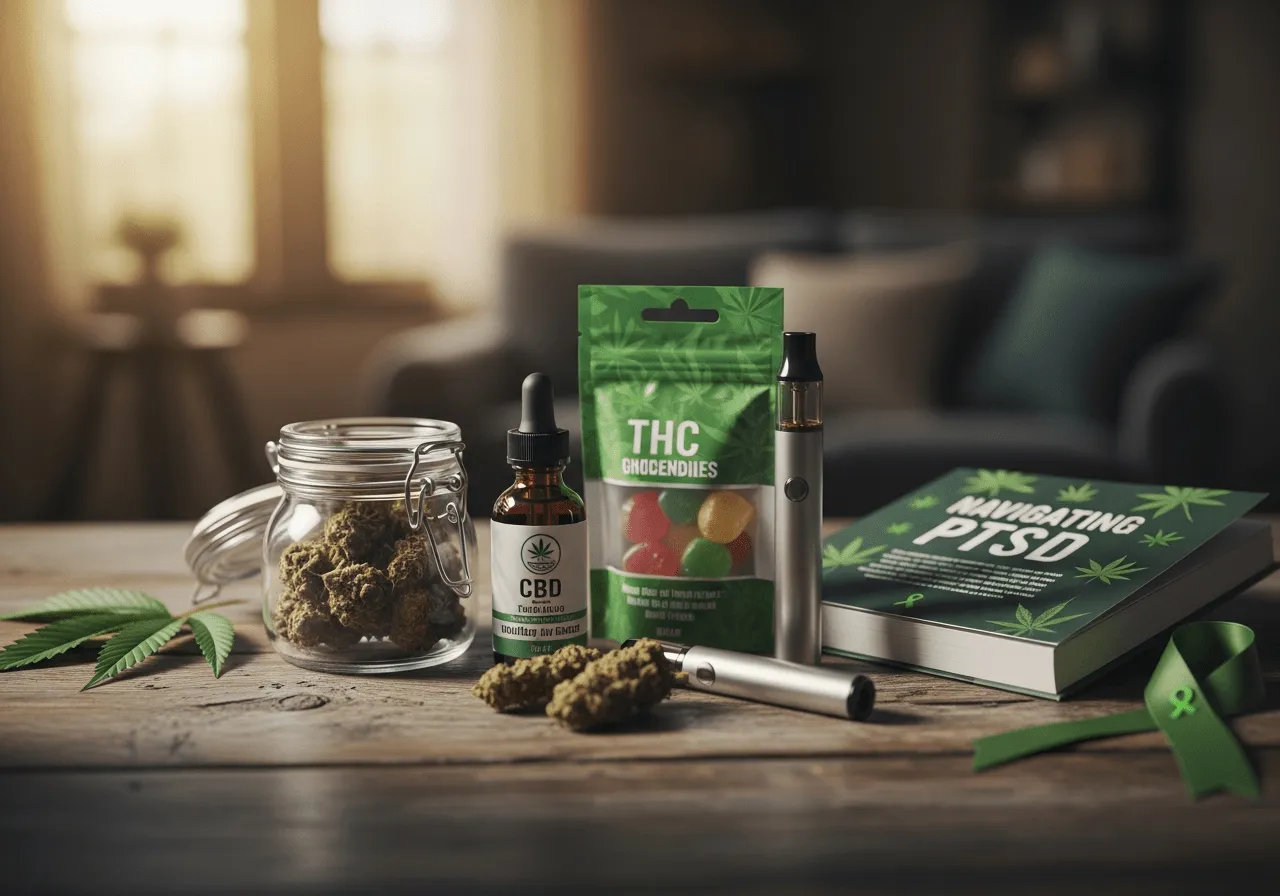

Can you get a medical marijuana card for PTSD? In many states, yes. PTSD is an approved qualifying condition in numerous medical cannabis programs, but eligibility, certification requirements, and application processes vary by state. For a state-by-state breakdown of medical marijuana qualifying conditions, check the current qualifying conditions guide before applying. Post-traumatic stress disorder (PTSD) affects millions of individuals worldwide, driving many to explore medical marijuana treatment options.
As cannabis legalization expands across states, medical marijuana for PTSD has emerged as one of the most common qualifying conditions for medical marijuana cards, yet the scientific evidence supporting this use remains surprisingly limited. This comprehensive guide examines what research reveals about medical marijuana PTSD applications, from neurobiological mechanisms and clinical studies to practical considerations, risks, and the critical gap between widespread use and scientific validation of medical marijuana therapy.
What is PTSD? Understanding Medical Marijuana PTSD Indications

Post-traumatic stress disorder (PTSD) is a mental health condition triggered by experiencing or witnessing a traumatic event. This debilitating condition affects approximately 6-8% of the general population at some point in their lives, with significantly higher rates among military veterans and trauma survivors. The PTSD definition encompasses a complex set of symptoms that persist for months or years after the traumatic experience, fundamentally altering how individuals process fear, safety, and emotional regulation. Understanding medical marijuana PTSD treatment requires first grasping the nature of this disorder.
Understanding PTSD meaning requires recognizing it as more than just remembering difficult experiences. PTSD represents a neurobiological condition where the brain’s threat-detection and memory systems become dysregulated. The condition manifests through four primary symptom clusters: intrusive memories or flashbacks, avoidance of trauma-related stimuli, negative alterations in cognition and mood, and marked changes in arousal and reactivity. These PTSD effects can severely impact daily functioning, relationships, and overall quality of life, prompting many patients to explore medical marijuana solutions.
PTSD Symptoms and Clinical Presentation for Medical Marijuana Treatment

The clinical presentation of PTSD involves distinctive symptoms that differentiate it from normal stress responses. According to research published in the
According to the research, PTSD symptoms that may respond to medical marijuana treatment typically include:
-
Intrusive Re-experiencing: Unwanted distressing memories, nightmares, and flashbacks where individuals feel as though they’re reliving the traumatic event
-
Hyperarousal and Reactivity: Persistent state of heightened alertness, exaggerated startle response, irritability, difficulty concentrating, and sleep disturbances
-
Avoidance Behaviors: Deliberate efforts to avoid trauma-related thoughts, feelings, people, places, or activities that serve as reminders
-
Negative Cognitive and Mood Changes: Persistent negative beliefs about oneself or others, distorted blame, diminished interest in activities, feelings of detachment, and inability to experience positive emotions
These PTSD effects significantly impair functioning and often co-occur with other mental health conditions including depression, anxiety disorders, and substance use disorders. The severity and duration of symptoms vary considerably among individuals, with some experiencing chronic, treatment-resistant presentations that may benefit from medical marijuana PTSD interventions.
Medical Marijuana PTSD: Current Legal Status and State Approvals
PTSD Qualifying Conditions by State
| State / Territory | PTSD Eligibility |
|---|---|
| Arizona | Explicitly qualifying condition |
| Connecticut | Qualifying condition since 2013 |
| Delaware | Approved qualifying condition |
| Hawaii | Qualifying condition since 2015 |
| Illinois | Explicitly qualifying condition |
| Louisiana | Qualifying condition |
| Maine | Physician certification pathway |
| Maryland | Qualifying condition since 2017 |
| Michigan | Qualifying condition |
| Missouri | Explicitly qualifying condition |
| Montana | Approved qualifying condition |
| Nevada | Explicitly qualifying condition |
| New Mexico | Qualifying condition since 2009 |
| New York | Qualifying condition since 2016 |
| North Dakota | Approved qualifying condition |
| Ohio | Qualifying condition since 2018 |
| Pennsylvania | Qualifying condition since 2018 |
| Utah | Explicitly qualifying condition |
| West Virginia | Approved qualifying condition |
If PTSD qualifies in your state, the next step is completing the certification and application process. Requirements vary by state, but you can review the process in our guide on how to get your medical marijuana card.
Medical marijuana for PTSD has gained significant traction in recent years, with at least 25 states and the District of Columbia approving cannabis for medicinal purposes. Notably, PTSD appears on the approved conditions list in numerous states, making PTSD cannabis treatment increasingly accessible. However, this approval process differs fundamentally from traditional pharmaceutical medications, as states authorize medical marijuana through ballot initiatives or legislative action without requiring FDA approval or the rigorous clinical trial data typically mandated for prescription medications.
The landscape of medical marijuana and PTSD treatment reflects a unique situation where medical authorization precedes comprehensive scientific validation. According to a
According to the research, this creates an unusual circumstance requiring researchers to evaluate safety and efficacy after approval rather than before. This reversal of the traditional drug development process underscores the urgent need for high-quality research to guide clinical practice and patient care in medical marijuana PTSD applications.
How Does Medical Marijuana and PTSD Treatment Work? Understanding the Mechanisms
The Endocannabinoid System in Medical Marijuana and PTSD Therapy
To understand medical marijuana PTSD mechanisms, it’s essential to grasp how cannabis interacts with the body’s endocannabinoid system (ECS). The ECS represents a sophisticated neuromodulatory network consisting of cannabinoid receptors (CB1 and CB2), endogenous cannabinoid molecules (anandamide and 2-AG), and enzymes responsible for their synthesis and degradation. This system plays crucial roles in regulating memory formation, emotional processing, stress responses, and fear extinction, all processes fundamentally disrupted in PTSD.
The CB1 receptors, which mediate most psychoactive effects of THC, are abundantly distributed throughout brain regions critically involved in PTSD symptomatology. These regions include the hippocampus (memory formation), amygdala (fear and emotional processing), and prefrontal cortex (executive function and emotional regulation). Research published in
Research demonstrates that cannabinoid modulation of these circuits may help explain reported therapeutic effects in medical marijuana and PTSD treatment.
Neurobiological Mechanisms: Medical Marijuana Effects on the Brain
Several neurobiological mechanisms may explain how medical marijuana PTSD treatment could potentially alleviate symptoms:
-
Fear Extinction Enhancement: Animal studies reveal that cannabinoid activation facilitates the extinction of conditioned fear responses. CB1 knockout mice require significantly longer to dissociate negative associations compared to wild-type controls, suggesting the endocannabinoid system naturally supports fear memory extinction—a process impaired in PTSD and potentially enhanced by medical marijuana.
-
Hyperarousal Reduction: The dense concentration of CB1 receptors in the amygdala, the brain’s fear center, may explain medical marijuana’s calming effects in PTSD patients. Studies show that CB1 overexpression decreases excessive excitatory neurotransmission in anxiety-related brain regions, potentially reducing the hypervigilance and hyperarousal characteristic of PTSD.
-
Memory Consolidation Modulation: Cannabis’s well-documented effects on short-term memory, typically viewed as adverse, might prove beneficial in PTSD by facilitating the weakening of traumatic memory associations. Research indicates cannabinoids may help dissociate negative associations while preserving positive memory formation.
-
Sleep Architecture Improvement: Many PTSD patients report using medical marijuana specifically for sleep disturbances and nightmares. While short-term benefits have been observed, research suggests chronic cannabis use may ultimately disrupt long-term sleep architecture, presenting a complex risk-benefit consideration for medical marijuana PTSD applications.
Clinical Evidence: What Research Says About Medical Marijuana and PTSD Efficacy
Current Research on Medical Marijuana PTSD Treatment Outcomes
The scientific evidence for PTSD cannabis treatment presents a complex and often contradictory picture. According to a comprehensive
According to the research, no randomized controlled trials (RCTs) have examined the efficacy of marijuana itself for PTSD. Instead, available evidence for medical marijuana PTSD comes from studies using synthetic cannabinoids (primarily nabilone and THC), observational studies, retrospective chart reviews, and case reports.
Studies with Synthetic Cannabinoids for Medical Marijuana and PTSD
Nabilone Studies:
Several studies have examined nabilone, a synthetic THC analog, for medical marijuana PTSD treatment. A retrospective chart review of 104 patients at a correctional mental health facility found that nabilone (0.5-6 mg) significantly improved sleep duration, reduced nightmares, and enhanced overall PTSD symptom severity. However, approximately 28% of patients discontinued treatment due to side effects, and 91% of participants met criteria for marijuana dependence prior to admission, potentially confounding results.
In a small randomized, double-blind, placebo-controlled crossover study, Jetly et al. evaluated nabilone, a synthetic cannabinoid, in 10 male military personnel with PTSD and persistent trauma-related nightmares. Nabilone significantly reduced nightmare frequency compared with placebo, and five of 10 participants were rated as much improved compared with one of nine receiving placebo. Because the study included only 10 participants and examined nabilone rather than cannabis itself, the findings provide preliminary evidence for reducing PTSD-related nightmares but do not establish cannabis as an effective treatment for PTSD overall.
THC Studies:
In an open-label pilot study, Roitman et al. evaluated oral Δ9-THC as an add-on treatment in 10 patients with chronic PTSD who were already receiving stable medication. Participants received 5 mg of THC twice daily and experienced statistically significant improvements in global PTSD symptom severity, sleep quality, nightmare frequency, and hyperarousal symptoms. However, the study had no placebo control and included only 10 participants, so the findings provide preliminary evidence rather than proof of THC’s effectiveness for PTSD.
Observational Studies and Real-World Medical Marijuana Data
Observational research in veterans provides additional real-world context. In a study of 361 post-9/11 U.S. veterans, Metrik et al. examined the relationship between cannabis use, cannabis use disorder, and PTSD symptoms over time. The study found associations between PTSD symptoms and cannabis use, but its observational design could not establish whether cannabis improved or worsened PTSD symptoms. These findings highlight the need for controlled clinical trials to determine the effectiveness and risks of cannabis for PTSD.
Research from
Journal of Orthopaedic Trauma examining patient perceptions found that individuals with PTSD frequently report using cannabis to manage hyperarousal symptoms, sleep disturbances, and traumatic intrusions. Many patients specifically endorse using medical marijuana treatment to help with sleep, though the directionality of this relationship, whether cannabis improves sleep or whether those with worse sleep seek cannabis, remains unclear.
Concerning Findings: Medical Marijuana PTSD Risks and Complications
Not all research on medical marijuana yields positive results. A critical study published in
the Journal of Clinical Psychiatry found that marijuana use was associated with worse outcomes in symptom severity and violent behavior among PTSD patients. This research suggests that while patients may perceive medical marijuana benefits, objective measures sometimes tell a different story.
Multiple studies have documented concerning associations between PTSD and problematic cannabis use patterns. Research indicates that:
-
PTSD diagnosis significantly increases lifetime marijuana use risk and daily use patterns
-
Veterans with PTSD show elevated rates of cannabis use disorder diagnoses when using medical marijuana
-
Cannabis withdrawal symptoms overlap substantially with PTSD symptoms (anxiety, sleep disturbance, nightmares), potentially creating a self-perpetuating cycle in medical marijuana use
-
Lower treatment completion rates and worse long-term outcomes have been observed in PTSD patients who use cannabis
Medical Marijuana Benefits for PTSD: What Patients Report
Despite limited high-quality research, many PTSD patients report significant benefits from medical marijuana use. Understanding these reported medical marijuana benefits provides important context for treatment discussions, even while acknowledging the need for more rigorous scientific validation.
Commonly Reported Medical Marijuana PTSD Benefits
-
Nightmare Reduction: Multiple studies report decreased nightmare frequency and intensity, often cited as the most significant benefit by PTSD patients using medical marijuana
-
Hyperarousal Management: Patients frequently report reduced hypervigilance, decreased startle response, and improved ability to relax in situations that previously triggered anxiety
-
Sleep Quality Improvement: Short-term improvements in sleep initiation and duration are commonly reported with medical marijuana PTSD treatment, though long-term effects may differ
-
Flashback Intensity Reduction: Some patients report fewer intrusive memories or reduced emotional intensity when flashbacks occur
-
Anxiety Relief: General anxiety reduction, though this effect appears dose-dependent with potential for increased anxiety at higher doses
Medical Marijuana Side Effects and Safety Considerations
Understanding potential side effects and risks associated with medical marijuana use is crucial for informed decision-making. Research from
Medical Cannabis highlights several important safety considerations for medical marijuana PTSD treatment:
Common Short-Term Side Effects of Medical Marijuana PTSD Treatment
-
Cognitive impairment: difficulty with memory, attention, and concentration
-
Dizziness and lightheadedness
-
Dry mouth and increased appetite
-
Anxiety or paranoia, particularly with high-THC products
-
Sedation and fatigue
-
Coordination and balance problems
Long-Term Risks and Concerns with Medical Marijuana Use
-
Cannabis Use Disorder: Approximately 9% of marijuana users develop dependence, with rates near 17% for those who begin use in adolescence. PTSD patients appear at elevated risk.
-
Cognitive Decline: Long-term heavy use has been associated with persistent deficits in attention, memory, and executive function, with some research showing IQ decline in chronic users
-
Psychosis Risk: Cannabis use has been linked to increased psychosis risk, particularly with early and heavy use. Transient psychotic symptoms can persist for up to 30 days.
-
Respiratory Effects: Smoked marijuana can cause bronchitis symptoms and airway inflammation, though effects on lung cancer risk remain controversial
-
Driving Impairment: Cannabis approximately doubles motor vehicle accident risk and impairs reaction time, tracking, and decision-making
How to Use Medical Marijuana for PTSD: Practical Guidance

Medical Marijuana Dosage Considerations
Determining appropriate medical marijuana dosage remains challenging given the lack of standardized guidelines. Clinical studies have used varying doses:
-
Nabilone: 0.5-6 mg daily, typically started at the lower end and titrated based on response and tolerability
-
Oral THC: 2.5-10 mg daily, usually divided into twice-daily dosing
-
Smoked/Vaporized Cannabis: No standardized dosing exists; observational data suggests 2-3 grams daily, though this varies widely
The “start low, go slow” principle applies to medical marijuana PTSD dosing, with careful monitoring for both therapeutic effects and adverse reactions. Cannabinoid effects are often biphasic, beneficial at low doses but potentially harmful at higher doses.
Routes of Administration for Medical Marijuana
-
Inhalation (Smoking/Vaporizing): Rapid onset (minutes), shorter duration (2-3 hours), easier to titrate dose, but carries respiratory risks with smoking
-
Oral (Edibles, Oils, Capsules): Delayed onset (30-120 minutes), longer duration (4-8 hours), more consistent dosing, avoids respiratory exposure
-
Sublingual (Tinctures): Intermediate onset (15-45 minutes), moderate duration, bypasses first-pass metabolism
-
Topical: Limited systemic absorption, primarily used for localized pain, less relevant for PTSD
Getting a Medical Marijuana Card: Process and Requirements
Obtaining a medical marijuana card varies by state but generally follows these steps:
-
Verify State Eligibility: Confirm PTSD is listed as a qualifying condition for medical marijuana in your state
-
Obtain Medical Documentation: Secure formal PTSD diagnosis from a licensed healthcare provider, typically requiring documentation of symptoms meeting DSM-5 criteria
-
Physician Certification: Schedule appointment with a physician registered with the state medical marijuana program who will evaluate whether benefits outweigh risks for PTSD
-
Submit Application: Complete state registration, typically including fees ranging from $50-$200
-
Receive Card: Processing times vary by state, typically 2-6 weeks
-
Access Dispensaries: Once approved, patients can purchase medical marijuana for PTSD from licensed dispensaries
Where to Buy Medical Marijuana : Legal Dispensaries and Access
Legal access to medical marijuana PTSD treatment occurs exclusively through licensed dispensaries in states with approved medical marijuana programs. These dispensaries:
-
Verify medical marijuana card status before purchase
-
Provide tested products with known cannabinoid content
-
Offer various product forms (flower, edibles, concentrates, topicals)
-
Employ knowledgeable staff (budtenders) to assist with product selection
-
Maintain compliance with state regulations regarding purchase limits
Important: Federal law still classifies marijuana as a Schedule I controlled substance, creating potential complications for federal employees, those requiring security clearances, and in certain legal contexts.
Medical Marijuana for Specific Conditions and Populations
Medical Marijuana in Veterans and Military Personnel
Veterans represent a significant population seeking medical marijuana for PTSD, with combat-related trauma presenting unique challenges. Research indicates:
-
Veterans show elevated rates of both PTSD and cannabis use disorder
-
Cannabis use following residential PTSD treatment was associated with lower completion rates
-
VA healthcare providers cannot prescribe or recommend PTSD treatment due to federal restrictions
-
Many veterans seek medical marijuana specifically for nightmare reduction and hyperarousal management
Medical Marijuana | PTSD vs. Other Anxiety Disorders: How Cannabis Effects Differ

While PTSD shares features with other anxiety disorders, its neurobiological underpinnings and symptom profile differ in ways that may influence medical marijuana response. PTSD involves specific alterations in fear conditioning, memory consolidation, and extinction learning that other anxiety disorders may not exhibit to the same degree.
The endocannabinoid system’s role in fear extinction may make medical marijuana particularly relevant for PTSD compared to generalized anxiety disorder or social anxiety disorder, where fear conditioning plays a less central role. However, the biphasic effects of cannabinoids on anxiety, anxiolytic at low doses, anxiogenic at high doses, apply across anxiety conditions.
States with Medical Marijuana PTSD as a Qualifying Condition
• Arizona: PTSD explicitly listed as qualifying condition. Requires physician certification with $150 application fee, valid for 2 years. Arizona accepts out-of-state medical marijuana cards for reciprocity. Patients can designate caregivers and purchase from licensed dispensaries with valid ID.
• Connecticut: PTSD qualifying condition since 2013. Application fee $100, requires in-person physician evaluation by registered practitioner. Medical marijuana legalized in 2021 under HB 5389. Patients can cultivate 3 mature plants and 3 immature plants at residence. No home cultivation allowed for medical-only patients, but adults 21+ with medical cards can grow. Adult-use cannabis sales began January 10, 2023. Up to 1.5 ounces of cannabis allowed on person.
• Delaware: Medical marijuana PTSD approved. $50 application fee, renewable annually. Patients can designate a caregiver to purchase on their behalf. Delaware program offers patient protections under state law. Must be Delaware resident to qualify.
• Hawaii: PTSD added as qualifying condition in 2015. $38.50 registration fee (one of the lowest in nation), allows home cultivation of up to 10 plants. Telehealth evaluations permitted for convenience. Valid medical marijuana card holders can possess specified amounts per state guidelines.
• Illinois: PTSD explicitly approved as qualifying condition. Application fee varies by income level ($10-$100), making it accessible for low-income patients. Requires documented PTSD diagnosis within previous 3 years from licensed provider. Home cultivation allowed for qualifying patients with proper registration. Medical marijuana program well-established with numerous dispensaries statewide.
• Louisiana: PTSD qualifying condition under Louisiana’s therapeutic marijuana program. Physician recommendation required, no state registration fee. Only licensed pharmacies can dispense medical marijuana (not traditional dispensaries). Program regulated by Louisiana Department of Health. Smokable flower now permitted after legislative changes.
• Maine: Medical marijuana PTSD approved. Written certification required from licensed healthcare provider (physician, PA, or NP), no state application fee. Maine doesn’t maintain specific list of qualifying conditions - physicians can recommend for any condition they believe would benefit. Patients can cultivate up to 6 mature cannabis plants, 12 immature plants, and unlimited seedlings. Recreational users (21+) have same cultivation rights. Medical cards valid for 1 year. Maine accepts out-of-state medical marijuana cards (reciprocity state). Patients can possess up to 8 pounds of harvested cannabis (one of highest limits nationally).
• Maryland: PTSD listed as qualifying condition since 2017. $50 application fee, renewable annually. Requires bona fide physician-patient relationship with registered provider. Maryland Medical Cannabis Commission oversees program. Patients must register through state online portal after physician certification.
• Michigan: PTSD qualifying condition under Michigan Medical Marihuana Act (MMMA) 2008. $40 application fee, valid for 3 years (1095 days) - one of longest validity periods. Home cultivation permitted - up to 12 cannabis plants per residence for personal medical use. Reciprocity for out-of-state cards. Patients can possess up to 2.5 ounces usable marijuana in public, 10 ounces at home, plus 15 grams concentrate. Both medical and recreational (adult-use 21+) programs operational since 2018.
• Missouri: PTSD (diagnosed by psychiatrist) explicitly listed as qualifying condition under Amendment 2 (2018). No residency requirement - out-of-state patients can obtain Missouri medical cards. Patients may purchase up to 6 ounces dried marijuana every 30 days from licensed dispensaries. Home cultivation allowed - up to 6 plants for both medical and recreational users. Non-cultivating patients can possess 60-day supply (12 ounces); cultivating patients can possess 90-day supply (18 ounces). Medical marijuana has lower taxes than recreational. Annual renewal required. Recreational cannabis legalized via Amendment 3 (2022) with 53% voter approval.
• Montana: Medical marijuana PTSD approved in 2020 following voter initiative. $75 application fee. Patients can grow up to 4 mature plants and 4 seedlings for personal medical use. Both medical and adult-use programs operational. Montana Department of Public Health and Human Services regulates program.
• Nevada: PTSD explicitly listed as qualifying condition under Medical Use of Marijuana Act (2001). $50 application fee for electronic card, $100 for physical card. Valid for 1 year from approval. Nevada Division of Public and Behavioral Health processes applications within 24-72 hours (very fast). Medical patients may possess up to 2.5 ounces of usable marijuana per 14-day period. Home cultivation up to 12 mature plants allowed ONLY if: no dispensary within 25 miles, patient too ill to travel, or specific strain needed unavailable. Nevada offers reciprocity for out-of-state medical patients - visiting patients can purchase at Nevada dispensaries. Adult-use legal since 2017. All cultivation must be in locked rooms not visible to public.
• New Mexico: One of first states to approve PTSD for medical marijuana (2009) under Lynn and Erin Compassionate Use Act. $50 annual fee. New Mexico was 12th state to establish medical marijuana program (2007). Medical patients may purchase up to 15 ounces (425 units) in any 90-day period TAX-FREE. Unit system: 1 unit = 1 gram dried cannabis or 200mg THC for cannabis products. Cards now electronic-only (as of June 2023), accessed through online patient portal, valid for 2 years. No annual recertification required. Home cultivation: prohibited for patients under 21; adults 21+ may grow up to 6 mature plants and 6 seedlings (medical patients can grow total 16 plants: 4 mature, 12 seedlings). New Mexico offers reciprocity for out-of-state patients. Extensive research conducted through state program on medical marijuana PTSD efficacy.
• New York: PTSD qualifying condition since 2016. No application fee (patient-friendly). Registered organizations (licensed dispensaries) dispense medical marijuana under strict state oversight. Home cultivation not permitted for medical patients. Must be New York resident. Only registered medical practitioners can certify patients. Electronic medical marijuana cards issued.
• North Dakota: Medical marijuana PTSD approved. $50 application fee, requires physician certification from state-registered provider. Registry card valid for 1 year, must renew annually. North Dakota Department of Health oversees medical marijuana program. Purchase limits and possession amounts set by state regulation.
• Ohio: PTSD added as qualifying condition in 2018 following program expansion. $50 application fee, renewable annually. Physician must be certified by State Medical Board to recommend medical marijuana. Patients register through Ohio Medical Marijuana Control Program online portal. No home cultivation allowed - all products must be purchased from state-licensed dispensaries. Purchase tracked electronically to ensure compliance with 90-day supply limits.
• Pennsylvania: PTSD qualifying condition since 2018 under Act 16 of 2016. $50 registration fee. Requires certification from registered physician. Valid for 1 year with annual renewal. Pennsylvania Department of Health oversees program. Pennsylvania doesn’t limit to narrow qualifying condition list - physicians evaluate whether patient’s health may benefit from medical cannabis. Patients obtain up to 90-day supply as determined by physician. No home cultivation allowed. Cards recognized in some reciprocity states. Patients must present medical marijuana card plus government-issued photo ID at dispensaries.
• Utah: PTSD explicitly approved as qualifying condition. $15 application fee (reduced to $5 for certain populations including veterans, Medicaid recipients, and disability recipients) - among lowest fees nationally. Requires recommendation letter from qualified medical provider (physician, NP, or PA) registered with Utah Department of Health. Medical cannabis program established 2018 after Proposition 2 passage. Cards valid for 1 year from registration (shorter durations available based on condition). Patients may possess up to 30-day supply: maximum 113 grams unprocessed cannabis or 20 grams THC total. HOME CULTIVATION STRICTLY PROHIBITED. Products accessed through state-licensed medical cannabis pharmacies or approved home delivery. SMOKING PROHIBITED - only vaporization, tablets, capsules, oils, topicals, patches, sublingual preparations allowed. Out-of-state patients can apply for temporary 21-day Utah cards (max 2 per year) if diagnosed with qualifying condition. Electronic Verification System (EVS) portal for applications.
• West Virginia: Medical marijuana PTSD approved in 2020 following program establishment. $50 application fee. Requires written certification from registered practitioner. West Virginia Bureau for Public Health administers program. Patients must be state residents with qualifying medical conditions.
Important State Considerations for Medical Marijuana PTSD
Reciprocity Agreements: Some states honor out-of-state medical marijuana cards (Arizona, Michigan, Nevada, Maine, New Mexico), while others require state residency and in-state certification. Florida medical marijuana cards recognized in Arkansas, Oklahoma, Rhode Island, Utah, and Washington D.C. Missouri recognizes out-of-state cards for possession but not purchase/cultivation. Always verify current reciprocity status before traveling.
Physician Requirements: Most states require physicians to be registered with the state medical marijuana program before they can certify patients. Some states mandate ongoing physician-patient relationships. Connecticut requires in-person evaluation by registered practitioner. Ohio requires State Medical Board certification. Pennsylvania requires Act 16 registration. Utah accepts physicians, nurse practitioners, and physician assistants.
Documentation Standards: PTSD diagnosis typically requires formal documentation using DSM-5 criteria, often with supporting evidence from mental health professionals, though requirements vary. Illinois requires diagnosis within previous 3 years. Missouri requires PTSD diagnosis from psychiatrist specifically. Some states like Maine allow any licensed healthcare provider to recommend for conditions they believe would benefit.
Purchase Limits: States impose varying limits on medical marijuana purchases, typically ranging from 2.5 ounces to 3 ounces per 30-day period, with some allowing higher limits for specific conditions. Missouri: 6 ounces per 30 days. New Mexico: 15 ounces (425 units) per 90 days. Nevada: 2.5 ounces per 14 days. Pennsylvania: 90-day supply as determined by physician. Florida: 2.5 ounces smokable per 35 days, 4 ounces total smokable possession, 70-day supply non-smokable.
Home Cultivation: Approximately half of medical marijuana states allow patients to cultivate their own cannabis at home, typically ranging from 4-12 plants. This can significantly reduce costs for medical marijuana PTSD treatment.
-
Allowed: Maine (6 mature, 12 immature, unlimited seedlings), Michigan (12 plants), Hawaii (10 plants), Montana (4 mature, 4 seedlings), Nevada (12 mature if 25+ miles from dispensary), New Mexico (adults 21+: 6 mature, 6 seedlings; medical total 16: 4 mature, 12 seedlings), Connecticut (21+: 3 mature, 3 immature), Illinois (qualifying patients), Missouri (6 plants medical/recreational)
-
Prohibited: Utah, Florida, Pennsylvania, Ohio, New York, Louisiana (pharmacy-only), Delaware, West Virginia
Application Fees Range: $0 (New York) to $150 (Arizona). Average: $40-$75. Income-based: Illinois ($10-$100). Veteran/low-income discounts: Utah ($5), various states offer reductions.
Card Validity Periods:
-
1 year: Connecticut, Florida, Maine, Maryland, Missouri, Nevada, North Dakota, Ohio, Pennsylvania, Utah, West Virginia
-
2 years: Arizona, New Mexico
-
3 years: Michigan
Processing Times: Nevada fastest (24-72 hours). Most states: 2-4 weeks. Connecticut noted for established program efficiency.
Medical Marijuana PTSD for Veterans: Special Considerations and Challenges
Military veterans represent one of the largest and most vulnerable populations seeking medical marijuana PTSD treatment. Combat-related trauma creates unique neurobiological and psychological challenges that distinguish veteran PTSD from civilian presentations. Understanding these distinctions is crucial for optimizing medical marijuana PTSD therapy in this population.
Prevalence of PTSD Among Veterans
PTSD affects approximately 11-20% of veterans who served in Operations Iraqi Freedom and Enduring Freedom, compared to 6-8% in the general population. Vietnam veterans show PTSD rates of approximately 15%, while Gulf War veterans experience rates around 12%. These elevated rates reflect the intense, prolonged stress of combat exposure, multiple deployments, and the unique challenges of modern asymmetric warfare including improvised explosive devices, moral injury, and civilian casualties.
Combat-related PTSD in veterans often presents with additional complexities including traumatic brain injury (TBI) co-occurrence, chronic pain, substance use disorders, and survivor’s guilt. Approximately 40% of veterans with PTSD also meet criteria for major depressive disorder, and 50% struggle with alcohol use disorder. This complex symptom presentation drives many veterans to seek medical marijuana PTSD treatment despite limited evidence.
Why Veterans Seek Medical Marijuana PTSD Treatment
• Medication Side Effects: Traditional PTSD medications (SSRIs, SNRIs) frequently cause sexual dysfunction, weight gain, emotional numbing, and other side effects that veterans find intolerable. Medical marijuana offers an alternative with a different side effect profile.
• Nightmare Control: Combat-related nightmares represent one of the most distressing PTSD symptoms. Veterans report that medical marijuana significantly reduces nightmare frequency and intensity, though tolerance may develop over time.
• Sleep Restoration: Chronic sleep deprivation exacerbates all PTSD symptoms. Many veterans report improved sleep initiation and duration with medical marijuana PTSD treatment, though sleep quality concerns remain.
• Hyperarousal Management: The constant state of high alert characteristic of combat PTSD responds to cannabis’s anxiolytic effects, allowing veterans to feel safer and more relaxed in civilian environments.
• Peer Recommendations: Strong word-of-mouth endorsements within veteran communities drive medical marijuana PTSD interest, despite limited scientific validation.
VA Policy and Federal Restrictions on Medical Marijuana for PTSD
• Autonomy and Control: After feeling controlled by military command structures, many veterans value the autonomy to self-titrate medical marijuana doses and manage their own symptom relief.
Veterans Affairs (VA) healthcare providers face unique constraints regarding medical marijuana PTSD treatment. Federal law prohibits VA physicians from recommending or prescribing medical marijuana, even in states where it’s legal. However, VA policy has evolved to allow more open discussion:
• VA providers can discuss medical marijuana with veterans without penalty
• Veterans will not be denied VA services for participating in state medical marijuana programs
• VA providers cannot complete paperwork for state medical marijuana applications
• Veterans using medical marijuana should inform their VA providers for comprehensive care coordination
• VA does not pay for medical marijuana or reimburse state program costs
These restrictions force veterans to seek medical marijuana PTSD certification from private physicians, creating additional financial barriers and fragmenting care between VA and non-VA providers. This policy inconsistency contributes to veterans feeling unsupported in their treatment choices.
Risks Specific to Veteran Populations
While medical marijuana PTSD carries risks for all users, veterans face additional vulnerability factors:
• Higher Addiction Risk: Veterans with PTSD show 2-3 times higher rates of substance use disorders compared to veterans without PTSD. Prior substance abuse increases vulnerability to cannabis dependence.
• Avoidance Reinforcement: Medical marijuana may enable symptom avoidance rather than processing traumatic memories through evidence-based therapies like Cognitive Processing Therapy or Prolonged Exposure therapy.
• TBI Interactions: Approximately 20% of Iraq/Afghanistan veterans have experienced traumatic brain injury. Cannabis’s cognitive effects may compound TBI-related memory and attention deficits.
• Employment Jeopardy: Many veterans pursue careers requiring security clearances or drug testing (federal jobs, law enforcement, transportation). Medical marijuana PTSD use can compromise these opportunities despite state legality.
• Firearm Ownership: Federal law prohibits firearm possession by unlawful drug users. Veterans using medical marijuana, even legally under state law, technically violate federal firearms regulations.
Best Medical Marijuana PTSD Strains and Products: A Comprehensive Guide
Selecting the right cannabis strain and product type represents a crucial decision for medical marijuana PTSD treatment success. While individual responses vary significantly, understanding cannabinoid profiles, terpene compositions, and product formats helps patients make informed choices.
Understanding THC:CBD Ratios for Medical Marijuana and PTSD
The ratio of THC to CBD fundamentally influences medical marijuana and PTSD effects:
• High-THC Products (>15% THC, <% CBD): Provide strongest psychoactive effects and may offer maximum nightmare suppression and sleep aid. However, higher anxiety risk in sensitive individuals. Best for evening/nighttime use in experienced users.
• Balanced Ratio Products (1:1 THC:CBD): CBD may moderate THC’s anxiety-producing effects while maintaining therapeutic benefits. Often recommended for medical marijuana beginners. Typically 5-10% each of THC and CBD.
• CBD-Dominant Products (>10% CBD, <% THC): Minimal psychoactivity, lower abuse potential. May provide anxiety relief without intoxication. Suitable for daytime use but may offer limited PTSD-specific benefits compared to THC-containing products.
• Moderate-THC Products (8-15% THC, 4-8% CBD): Often considered the ‘sweet spot’ for medical marijuana treatment, providing therapeutic effects with reduced side effect risk.
Terpene Profiles for PTSD Symptom Management
Terpenes, the aromatic compounds in cannabis, contribute significantly to medical marijuana effects through the ‘entourage effect.’ Key terpenes include:
• Myrcene: Sedating, muscle-relaxing properties. Beneficial for sleep disturbances and physical tension. Found in ‘indica’ strains. Earthy, musky aroma.
• Linalool: Anxiolytic effects, promotes relaxation. Also found in lavender. May help with anxiety and sleep. Floral, lavender-like scent.
• Beta-Caryophyllene: Unique among terpenes, activates CB2 receptors. Anti-inflammatory, may reduce anxiety without sedation. Peppery, spicy aroma.
• Limonene: Mood-elevating, anti-anxiety effects. May help with depression co-occurring with PTSD. Citrus scent.
• Pinene: May improve focus and memory retention, counteracting THC’s memory effects. Pine, forest aroma.
Product Types for Medical Marijuana PTSD Treatment
• Flower (Smokable/Vapable): Immediate effects, easy dose titration, full entourage effect. Smoking carries respiratory risks; vaporizing reduces but doesn’t eliminate them. Effects last 2-4 hours.
• Tinctures/Oils: Precise dosing, discreet, no lung exposure. Sublingual administration provides effects in 15-45 minutes lasting 4-6 hours. Ideal for consistent medical marijuana PTSD dosing.
• Edibles: Long-lasting effects (6-8 hours), no smoking, good for sleep. Delayed onset (60-120 minutes) makes dosing tricky. Start with 2.5-5mg THC.
• Capsules: Standardized dosing, discreet, predictable effects. Similar to edibles in onset/duration. Preferred by patients wanting pharmaceutical-style consistency.
• Vape Cartridges: Convenient, discreet, rapid onset. Quality varies significantly; stick to regulated products with lab testing. Some concerns about additives and contaminants.
Medical Marijuana PTSD vs. Traditional Treatments: Comparative Analysis
Understanding how medical marijuana PTSD treatment compares to established interventions helps patients and clinicians make informed decisions. While evidence-based treatments have undergone rigorous testing, medical marijuana’s role remains investigational.
Evidence-Based PTSD Treatments
• Cognitive Processing Therapy (CPT): 12-session structured therapy addressing maladaptive beliefs about trauma. Strong evidence base with 30-50% achieving full remission. No medication side effects, but requires active engagement and temporary distress increase.
• Prolonged Exposure (PE) Therapy: 8-15 sessions involving gradual, repeated exposure to trauma memories. Highly effective (40-60% remission) but emotionally challenging. Drop-out rates 20-30%.
• SSRIs (Sertraline, Paroxetine): FDA-approved medications showing 20-30% symptom improvement over placebo. Side effects include sexual dysfunction, weight gain, emotional blunting. Insurance covered, well-studied.
• SNRIs (Venlafaxine): Similar efficacy to SSRIs with slightly different side effect profile. May help with co-occurring chronic pain.
• Prazosin: Specifically targets nightmares through blood pressure mechanism. Limited evidence but commonly prescribed for sleep disturbances in PTSD.
Comparative Advantages of Medical Marijuana PTSD Treatment
• Rapid symptom relief (minutes to hours vs. weeks for SSRIs)
• Different side effect profile (no sexual dysfunction, potentially less emotional numbing)
• Patient autonomy in dosing and timing
• May help multiple symptoms simultaneously (sleep, anxiety, pain)
• No requirement for processing traumatic memories (unlike PE/CPT)
Comparative Disadvantages of Medical Marijuana PTSD
• Very limited high-quality research evidence
• Not insurance covered; significant out-of-pocket costs
• Risk of cannabis use disorder (higher in PTSD populations)
• May enable avoidance rather than trauma processing
• Cognitive side effects may interfere with therapy or work
• Employment and legal complications despite state legality
• Some evidence suggests worse long-term outcomes in PTSD patients using cannabis
Is Medical Marijuana PTSD Legal? Understanding Federal vs. State Law
The legal status of medical marijuana PTSD treatment exists in a complex gray area:
-
Federal Level: Marijuana remains a Schedule I controlled substance, illegal for any purpose under federal law
-
State Level: 25+ states have legalized medical marijuana, with many including PTSD as a qualifying condition
-
Practical Implications: State-legal medical marijuana PTSD users generally face minimal state-level prosecution, but federal consequences remain theoretically possible
-
Employment: Employers, particularly federal agencies and those with safety-sensitive positions, may maintain zero-tolerance policies regardless of state law
Conclusion
The current state of knowledge regarding medical marijuana PTSD treatment presents a paradox: widespread patient use and state-level approval exist alongside minimal high-quality scientific evidence. While neurobiological plausibility and preliminary studies suggest potential benefits, particularly for nightmares, hyperarousal, and sleep disturbances—the overall evidence quality remains very low according to rigorous scientific standards.
Patients and clinicians must navigate this uncertainty carefully, balancing reported medical marijuana PTSD benefits against documented risks including cognitive impairment, cannabis use disorder, potential worsening of PTSD symptoms in some individuals, and unknown long-term consequences. The decision to use medical marijuana for PTSD should involve thorough discussion of:
-
Individual risk factors for cannabis use disorder
-
Current evidence limitations and uncertainties
-
Alternative evidence-based treatments (trauma-focused psychotherapy, SSRIs, SNRIs)
-
Monitoring plans for both efficacy and adverse effects
-
Legal and employment implications
As research continues to evolve, the hope is that rigorous clinical trials will provide the definitive answers needed to guide evidence-based practice for medical marijuana PTSD applications. Until then, clinical judgment, shared decision-making, and close monitoring remain essential components of care for PTSD patients considering or using medical marijuana.
Ready to see if you qualify for a medical marijuana card?
Get evaluated by a licensed medical marijuana doctor online and find out whether you qualify in your state.






 Ask ChatGPT
  Ask Claude
  Ask Perplexity