


Migraines affect over 1 billion people worldwide, causing debilitating pain that disrupts daily life, work productivity, and overall well-being. While conventional treatments like triptans and preventive medications help many patients, approximately 40% of migraine sufferers don’t respond adequately to standard therapies or experience intolerable side effects. Medical marijuana treatment has emerged as a promising alternative, with growing clinical evidence demonstrating significant reductions in migraine frequency, severity, and associated symptoms. This comprehensive guide explores how medical marijuana migraines therapy works, the science behind its effectiveness, proper usage guidelines, legal considerations, and what you need to know before incorporating cannabis into your migraine management strategy.
What is Migraines?
Migraines are a debilitating neurological disorder characterized by intense, throbbing headaches often accompanied by nausea, vomiting, and extreme sensitivity to light and sound. Unlike typical headaches, migraines represent a complex clinical syndrome that can significantly impair daily functioning and quality of life. Medical marijuana migraines treatment has gained attention as research reveals the connection between the endocannabinoid system and migraine pathophysiology.
A migraine is more than just a severe headache. This primary headache disorder manifests as recurring episodes of moderate to severe pain, typically affecting one side of the head, though bilateral presentations are common. The pain is often described as pulsating or throbbing and can last anywhere from four hours to three days when left untreated.
The International Headache Society classifies migraines into two main categories: migraine without aura and migraine with aura. Migraine without aura, the most common type, presents with the characteristic headache and associated symptoms. Migraine with aura involves a set of transient neurological symptoms, including visual disturbances, sensory changes, or speech difficulties—that typically precede the headache phase by 20 to 30 minutes.
Understanding what migraines mean in medical terms requires recognizing their classification as either episodic or chronic. Episodic migraines occur fewer than 15 days per month, while chronic migraine is defined as headache occurring on 15 or more days per month for at least three months, with migraine features on at least eight of those days.
Globally, approximately 1 billion people suffer from migraines, with prevalence rates of 20.7% in females and 9.7% in males. In the United States alone, an estimated 37 million people experience migraine attacks, making this condition the second leading cause of disability in individuals under 50 years of age.
Migraines Definition and Meaning

The migraines definition extends beyond simple headache classification to encompass a multifaceted neurological condition with distinct phases and characteristics. Medical professionals define migraines as recurrent attacks of headache with specific features that distinguish them from other headache types.
What does migraines mean in cannabis medical practice? In the context of medical marijuana migraines treatment, migraines represent a qualifying condition in several jurisdictions, often categorized under chronic pain or neuropathic pain conditions that warrant cannabis therapy consideration.
The migraines meaning encompasses several key diagnostic criteria established by the International Classification of Headache Disorders. For a diagnosis of migraine without aura, patients must have experienced at least five attacks meeting specific criteria: headaches lasting 4-72 hours, unilateral location, pulsating quality, moderate to severe intensity, aggravation by routine physical activity, and accompanied by nausea, vomiting, or sensitivity to light and sound.
When discussing migraines in cannabis contexts, the definition also includes the understanding of how the endocannabinoid system may be involved in migraine pathophysiology. Research has demonstrated that patients with chronic migraines often show abnormal endocannabinoid system function, with reduced levels of anandamide (AEA) in cerebrospinal fluid and altered concentrations of palmitoylethanolamide (PEA) compared to controls.
The meaning of migraines in medical marijuana discussions further incorporates the concept of the condition as a treatable disorder through cannabinoid therapy. This perspective recognizes migraines as a condition where conventional treatments may have limited efficacy or produce unwanted side effects, making alternative therapies like medical cannabis potentially valuable options.
Symptoms and Characteristics of Migraines
Primary Symptoms
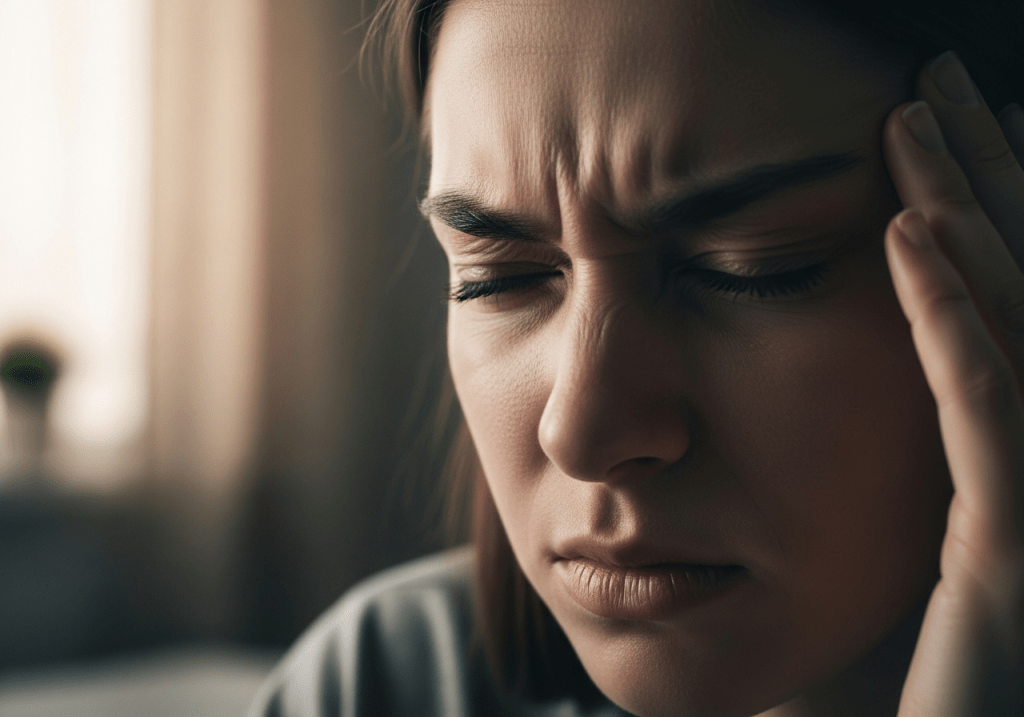
Migraines present with a distinctive constellation of symptoms that help clinicians differentiate them from other headache disorders. The hallmark symptom is moderate to severe head pain, typically unilateral (affecting one side of the head), though bilateral presentations occur in approximately 40% of cases.
The pain quality is characteristically pulsating or throbbing, synchronized with the heartbeat. This pulsatile nature distinguishes migraines from tension-type headaches, which typically produce a constant, pressing sensation. Pain intensity ranges from moderate to severe, often requiring sufferers to cease normal activities and seek rest in a quiet, dark environment.
Associated Symptoms
Beyond the headache itself, migraines manifest with several associated symptoms that significantly contribute to disability:
Gastrointestinal Symptoms: Nausea affects approximately 90% of migraine sufferers, while vomiting occurs in about one-third of patients during attacks. These symptoms can be particularly debilitating and may precede the headache phase.
Sensory Sensitivities: Photophobia (sensitivity to light) and phonophobia (sensitivity to sound) are nearly universal during migraine attacks. Some patients also experience osmophobia (sensitivity to odors). These sensitivities often drive sufferers to seek dark, quiet environments.
Aura Manifestations: In migraine with aura (affecting about 25% of migraine patients), transient neurological symptoms develop gradually over 5-20 minutes and typically last less than 60 minutes. Visual auras are most common, including:
-
Scintillating scotomas (blind spots with shimmering edges)
-
Zigzag patterns or fortification spectra
-
Temporary vision loss
-
Visual distortions
Sensory auras may include tingling sensations or numbness, typically starting in the hand and spreading to the face. Speech and language auras can cause temporary difficulty speaking or finding words. Motor auras, though rare, may produce temporary weakness.
Migraine Phases
Understanding migraines requires recognizing their typical four-phase progression:
Prodrome Phase: Hours to days before the headache, patients may experience subtle changes including mood alterations, food cravings, neck stiffness, increased yawning, or frequent urination.
Aura Phase (if present): Transient neurological symptoms as described above.
Headache Phase: The main attack with characteristic pain and associated symptoms, lasting 4-72 hours when untreated.
Postdrome Phase: Following headache resolution, patients often experience fatigue, difficulty concentrating, mood changes, and residual head tenderness lasting up to 48 hours.
Causes and Triggers of Migraines
Underlying Pathophysiology
The exact cause of migraines remains incompletely understood, but current research points to a complex interaction between genetic predisposition, neurological factors, and environmental triggers. The prevailing theory involves dysfunction in brain mechanisms that regulate pain sensation and neurovascular function.
Neurovascular Theory: Migraines are believed to involve abnormal activation of the trigeminovascular system, a network of nerves that innervate blood vessels in the brain and meninges. During a migraine attack, these nerves release inflammatory peptides, including calcitonin gene-related peptide (CGRP), causing blood vessel dilation and inflammation.
Cortical Spreading Depression: In migraine with aura, a wave of electrical depression spreads across the cerebral cortex, causing the temporary neurological symptoms that characterize aura. This wave may also activate pain pathways that lead to headache.
Endocannabinoid Dysfunction: Emerging research has identified endocannabinoid system abnormalities in migraine patients, which is why medical marijuana migraines therapy shows promise. Studies have demonstrated significantly lower concentrations of anandamide and altered levels of other endocannabinoids in cerebrospinal fluid of chronic migraine sufferers compared to controls. This finding suggests a potential endocannabinoid deficiency may contribute to migraine susceptibility.
Genetic Factors
Migraines demonstrate strong familial clustering, with 70-80% of migraine patients having a first-degree relative with the condition. Several genetic mutations have been identified in familial hemiplegic migraine, a rare subtype, affecting ion channels and neurotransmitter function. However, common migraines likely involve multiple genes interacting with environmental factors.
Common Triggers
Migraine triggers vary considerably between individuals, but commonly reported triggers include:
Dietary Triggers:
-
Alcohol, particularly red wine
-
Aged cheeses containing tyramine
-
Processed meats with nitrates
-
Artificial sweeteners (aspartame)
-
Monosodium glutamate (MSG)
-
Caffeine (both excess consumption and withdrawal)
-
Skipped meals or fasting
Hormonal Factors:
-
Menstrual cycle fluctuations
-
Oral contraceptive use
-
Hormone replacement therapy
-
Pregnancy and menopause transitions
Environmental Factors:
-
Bright or flickering lights
-
Strong odors or perfumes
-
Weather changes and barometric pressure shifts
-
High altitude
Lifestyle Factors:
-
Irregular sleep patterns (too much or too little)
-
Physical or emotional stress
-
Intense physical exertion
-
Dehydration
Sensory Stimuli:
-
Loud noises
-
Strong smells
-
Screen time and digital eye strain
Understanding individual trigger patterns is essential for effective migraine management and prevention strategies.
Medical Marijuana Migraines: The Science

How Cannabis Affects Migraines
Medical marijuana migraines treatment has emerged as a promising option for migraine sufferers, with growing evidence supporting its therapeutic potential. The relationship between cannabis and migraines centers on the endocannabinoid system’s role in pain modulation and migraine pathophysiology.
Research has demonstrated that the endocannabinoid system plays a crucial role in regulating pain transmission, inflammation, and neurovascular function, all processes implicated in migraine development. The discovery that chronic migraine patients have reduced levels of endocannabinoids in their cerebrospinal fluid suggests a potential deficiency that cannabis therapy might address.
A systematic review published in Frontiers in Neurology examined medical cannabis treatment for migraine in adults and found that medical cannabis significantly reduced both the frequency and severity of migraine attacks. In one study, migraine frequency decreased from a median of 10.4 attacks per month to 4.6 attacks per month following cannabis treatment initiation—a reduction of approximately 56%.
The mechanisms by which medical marijuana exerts anti-migraine effects are multifaceted:
Cannabinoid Receptor Activation: THC (delta-9-tetrahydrocannabinol) activates CB1 receptors in the central nervous system, which are densely distributed in pain-processing areas including the periaqueductal gray matter, a brain region implicated in migraine pathophysiology. This activation produces antinociceptive (pain-relieving) effects.
Anti-inflammatory Properties: Both THC and CBD (cannabidiol) possess anti-inflammatory properties that may reduce neurogenic inflammation associated with migraine attacks. CBD, in particular, has shown promise in reducing inflammatory mediator release from activated trigeminal neurons.
Serotonin Receptor Modulation: Endocannabinoids have been shown to inhibit serotonin receptors in vivo, potentially modulating pain and emetic (nausea/vomiting) responses commonly experienced during migraine attacks.
Neuroprotective Effects: Cannabinoids may protect against cortical spreading depression, the phenomenon believed to trigger migraine aura and potentially activate pain pathways.
Clinical Evidence for Cannabis and Migraines
Multiple clinical studies have investigated medical marijuana migraines therapy with encouraging results:
A cross-sectional study published in Brain Sciences examined 145 migraine patients licensed for medical cannabis treatment over a median duration of three years. The research found that 61% of patients (responders) achieved a clinically significant reduction (≥50%) in monthly migraine attack frequency. These responders also reported:
-
Lower migraine-related disability scores
-
Reduced negative impact on daily functioning
-
Improved sleep quality
-
Decreased consumption of opioids and triptans
Another study analyzing data from a cannabis tracking application found that inhaled cannabis reduced migraine severity by an average of 49.6% within two hours of consumption. The research included 653 users who recorded 874 sessions of cannabis use for migraine relief.
A retrospective analysis of medical marijuana patients showed that migraine frequency decreased significantly from baseline, and 11.6% of patients reported complete abortion of migraine headaches with cannabis use. The study also noted improvements in associated symptoms, with significant reductions in nausea and vomiting after six months of treatment.
Importantly, research has identified that specific phytocannabinoid profiles may be more effective than others. Studies analyzing the chemical composition of various cannabis strains have found associations between certain cannabinoid ratios and treatment response. Higher doses of specific minor cannabinoids and lower doses of others correlated with better migraine frequency reduction.
Medical Marijuana Migraines Benefits
The benefits of medical marijuana for migraines extend beyond simple pain relief:
Frequency Reduction: Clinical studies consistently show that medical marijuana migraines treatment reduces the number of migraine attacks per month. In patients achieving therapeutic response, reductions of 40-56% in monthly attack frequency have been documented.
Acute Attack Management: Medical marijuana migraines therapy can effectively abort active migraine attacks, with some patients reporting complete headache resolution within hours of consumption. This abortive effect rivals or exceeds that of conventional triptan medications in some users.
Preventive Effects: When used regularly, medical marijuana migraines prevention may stop migraine occurrence through multiple mechanisms including endocannabinoid system modulation, anti-inflammatory effects, and regulation of neurovascular function.
Reduced Medication Consumption: Medical cannabis users report decreased reliance on conventional migraine medications, including significant reductions in opioid (60-75% reduction) and triptan (70% reduction) use. This medication-sparing effect may reduce risks associated with overuse of conventional medications.
Improved Quality of Life: Beyond pain reduction, cannabis therapy is associated with:
-
Decreased migraine-related disability
-
Better sleep quality
-
Reduced impact on work and social functioning
-
Lower rates of depression and anxiety often comorbid with chronic migraines
Management of Associated Symptoms: Medical marijuana effectively addresses multiple migraine-associated symptoms:
-
Nausea and vomiting reduction
-
Restoration of appetite
-
Relief from photophobia and phonophobia
-
Reduction in associated muscle tension
Lower Side Effect Profile: Compared to many conventional migraine preventive medications (which may cause weight gain, cognitive impairment, or cardiovascular effects), medical cannabis is generally well-tolerated with manageable side effects in most patients.
Types of Medical Marijuana for Migraines

Cannabis Strains and Chemovars
The complexity of medical marijuana migraines therapy lies in the plant’s diverse chemical composition. Over 100 different cannabis cultivars or “strains” are available, each with unique phytocannabinoid and terpene profiles. Understanding these differences is crucial for optimizing migraine treatment.
THC-Dominant Strains: Cannabis varieties with high THC content (typically 15-30% THC) and low CBD (less than 1%) are commonly used for acute medical marijuana migraines relief. THC provides potent analgesic effects and may help abort active attacks. Research suggests THC activates CB1 receptors in pain-processing regions, producing antinociceptive effects beneficial for migraine.
CBD-Dominant Strains: High-CBD, low-THC varieties (typically 15-20% CBD with less than 1% THC) offer anti-inflammatory and anxiolytic effects without significant psychoactive properties. CBD may be particularly useful for medical marijuana migraines prevention and addressing anxiety that often accompanies chronic migraines.
Balanced THC:CBD Strains: Varieties containing roughly equal ratios of THC and CBD (such as 1:1 formulations) provide combined benefits while potentially mitigating some of THC’s psychoactive effects. Some patients find balanced strains optimal for both prevention and acute treatment.
High-CBG Strains: Cannabigerol (CBG), while less researched, shows promise for migraine treatment due to its analgesic and anti-inflammatory properties. Some cultivars bred for high CBG content (5-15%) may offer unique therapeutic benefits.
Specific Phytocannabinoids and Migraine Response
Recent research has identified specific minor cannabinoids associated with migraine treatment response:
A study analyzing phytocannabinoid consumption patterns found that patients experiencing significant migraine frequency reduction consumed higher monthly doses of certain unidentified minor cannabinoids (designated as ms_373_15c) and lower doses of others (ms_331_18d). While the absolute chemical structures of these compounds remain under investigation, their presence in specific cultivars may predict treatment efficacy.
This finding highlights the importance of comprehensive chemical analysis of cannabis products and suggests that the “entourage effect”—synergistic interactions between multiple cannabis compounds, may be crucial for optimal migraine management.
Administration Methods
Inhalation (Smoking/Vaporizing):
-
Onset: 2-15 minutes
-
Duration: 2-4 hours
-
Bioavailability: 10-35%
-
Advantages: Rapid relief for acute attacks, easy dose titration
-
Considerations: Potential respiratory irritation with smoking; vaporization preferred for health considerations
Sublingual Oils and Tinctures:
-
Onset: 15-45 minutes
-
Duration: 4-8 hours
-
Bioavailability: 12-35%
-
Advantages: Discreet, consistent dosing, no respiratory exposure
-
Considerations: Longer onset than inhalation
Oral Edibles:
-
Onset: 30-90 minutes
-
Duration: 6-12 hours
-
Bioavailability: 4-12%
-
Advantages: Long-lasting effects, good for prevention
-
Considerations: Delayed onset, variable absorption, difficult dose titration
Topical Applications:
-
Onset: 15-45 minutes (localized effects)
-
Duration: 2-6 hours
-
Bioavailability: Minimal systemic absorption
-
Advantages: Targeted relief for head/neck tension without psychoactive effects
-
Considerations: Limited evidence for direct migraine relief
Recommended Products and Formulations
Based on clinical evidence and patient reports, several formulations show promise:
For Acute Attack Management:
-
Inhalable high-THC flower or concentrates (15-25% THC)
-
Fast-acting sublingual THC tinctures
-
Balanced THC:CBD formulations for patients sensitive to THC
For Migraine Prevention:
-
Daily CBD oil (25-100mg daily)
-
Low-dose THC:CBD balanced tinctures (2-10mg of each daily)
-
CBD-rich edibles for sustained blood levels
For Combined Approach:
-
Baseline CBD-rich preventive therapy
-
High-THC inhalation for breakthrough attacks
-
Consideration of minor cannabinoids (CBG, CBN) for enhanced effects
How to Use Medical Marijuana for Migraines

Dosage Guidelines
Determining optimal medical marijuana migraines dosage requires an individualized approach, as effective doses vary based on factors including:
-
Previous cannabis experience
-
Body weight and metabolism
-
Migraine severity and frequency
-
Administration method
-
Product potency
General Dosing Principles:
The fundamental rule for medical marijuana migraines dosing is “start low and go slow.” Patients new to cannabis should begin with minimal doses and gradually increase until achieving therapeutic benefit without intolerable side effects.
For Inhalation:
-
Initial dose: 1-2 inhalations (approximately 2.5-5mg THC)
-
Titration: Increase by 1-2 inhalations every 2-3 days as needed
-
Typical therapeutic range: 5-15mg THC per session for acute relief
-
Frequency: As needed for attacks, typically not exceeding 3-4 times daily
For Sublingual Oils:
-
Initial dose: 2.5-5mg THC and/or 10-25mg CBD
-
Titration: Increase by 2.5-5mg every 3-5 days
-
Prevention dosing: 5-20mg THC and/or 25-100mg CBD daily
-
Acute dosing: 10-20mg THC as needed for attacks
For Edibles:
-
Initial dose: 2.5-5mg THC
-
Titration: Increase by 2.5mg every 5-7 days
-
Therapeutic range: 5-15mg THC for most patients
-
Timing: Allow 90-120 minutes for full effects before redosing
Treatment Protocols
Preventive Protocol:
-
Establish baseline with daily CBD-rich therapy (25-50mg CBD)
-
Add low-dose THC if CBD alone insufficient (2.5-10mg daily)
-
Maintain consistent medical marijuana migraines dosing schedule (same time daily)
-
Monitor migraine frequency for 4-6 weeks before dose adjustments
-
Consider increasing gradually if <0% reduction in attacks achieved
Abortive Protocol:
-
At first sign of migraine (during prodrome if recognized)
-
Administer fast-acting formulation (inhalation or rapid sublingual)
-
Use adequate dose based on previous experience (typically 10-20mg THC)
-
Rest in quiet, dark environment
-
Reassess after 30-60 minutes
-
Supplemental dose if needed (typically 50% of initial dose)
Combined Approach (most commonly reported):
-
Daily preventive dosing with CBD-dominant formulation
-
Reserve high-THC products for breakthrough attacks
-
Track trigger patterns and adjust preventive dosing accordingly
-
Maintain migraine diary to assess efficacy
Best Practices and Tips
Timing Considerations:
-
Take preventive doses at consistent times daily
-
For menstrual migraines, increase preventive dosing 2-3 days before expected onset
-
Administer abortive doses at earliest migraine warning signs
-
Evening administration may help for patients with sleep-onset migraines
Strain Selection:
-
Experiment with different chemovars to identify most effective profiles
-
Keep detailed notes on effects of different strains
-
Consider working with knowledgeable dispensary staff or cannabis counselors
-
Look for products with comprehensive lab testing showing full cannabinoid profiles
Lifestyle Integration:
-
Combine cannabis therapy with trigger avoidance strategies
-
Maintain consistent sleep schedule
-
Stay hydrated (cannabis can cause mild dehydration)
-
Practice stress-reduction techniques alongside cannabis use
-
Monitor caffeine intake (can interact with cannabis effects)
Product Quality:
-
Purchase from licensed, regulated dispensaries when possible
-
Verify third-party lab testing for potency and contaminants
-
Avoid products with synthetic cannabinoids
-
Check for pesticide, heavy metal, and microbial testing
Tracking and Adjustment:
-
Maintain detailed migraine diary including:
-
Review records monthly to assess treatment efficacy
-
Share records with healthcare provider
-
Adjust dosing based on response patterns
Safety Considerations
Contraindications:
-
Pregnancy and breastfeeding
-
Personal or family history of psychotic disorders
-
Severe cardiovascular disease
-
History of cannabis use disorder
-
Concurrent use of certain medications (discuss with physician)
When to Seek Medical Attention:
-
Sudden severe headache unlike previous migraines (“thunderclap headache”)
-
Headache with fever, stiff neck, confusion, or neurological deficits
-
Headache following head trauma
-
Progressive worsening of migraine pattern despite treatment
-
Development of new neurological symptoms
Migraines Cannabis Side Effects

Understanding potential side effects of medical marijuana migraines treatment is essential for informed treatment decisions. While cannabis is generally well-tolerated, patients should be aware of both common and serious adverse effects.
Common Side Effects
Clinical studies of medical marijuana migraines patients report the following common side effects:
Central Nervous System Effects (most frequently reported):
-
Drowsiness or sedation (affecting approximately 15-23% of users)
-
Dizziness or lightheadedness (10-15% of users)
-
Cognitive effects including difficulty concentrating or mild memory impairment (8-12%)
-
Euphoria or altered mood states (variable, dose-dependent)
-
Headache (paradoxically reported by some users, typically with dose adjustment)
Psychological Effects (affecting 14% of medical cannabis users):
-
Anxiety or paranoia, particularly with high-THC products
-
Mood changes or emotional lability
-
Rarely, acute panic reactions (typically in cannabis-naive individuals or with excessive dosing)
Ophthalmic Effects (11% of users):
-
Red or bloodshot eyes
-
Itchy eyes (reported exclusively in treatment responders in some studies)
-
Temporary changes in intraocular pressure
-
Rarely, blurred vision
Gastrointestinal Effects (10% of users):
-
Dry mouth (xerostomia) - most common side effect
-
Increased appetite (“munchies”)
-
Nausea (paradoxically, in some users)
-
Rarely, cannabinoid hyperemesis syndrome with chronic heavy use
Cardiovascular Effects (7% of users):
-
Increased heart rate (tachycardia), especially shortly after use
-
Orthostatic hypotension (dizziness upon standing)
-
Rarely, palpitations
Musculoskeletal Effects (8% of users):
-
Muscle relaxation or weakness
-
Tremor (uncommon)
-
Coordination impairment
Auditory Effects (6% of users):
-
Tinnitus or temporary changes in hearing perception
-
Enhanced sound sensitivity
Medication-Specific Concerns
Medication Overuse Headache (MOH):
An important consideration for chronic migraine sufferers is the potential for medication overuse headache. Research has shown concerning associations between medical cannabis use and MOH development:
A case-referent study found that current medical cannabis use for chronic migraine was significantly associated with MOH, with an adjusted odds ratio of 6.3 (95% CI: 3.56-11.1). Patients using cannabis for migraines demonstrated higher rates of MOH (81%) compared to non-cannabis users (41%).
Importantly, sensitivity analysis showed that even among patients who developed MOH after initiating cannabis use (rather than before), the association remained significant (OR = 2.6, 95% CI: 1.52-4.42). This suggests that overuse of medical cannabis, like other migraine medications, may contribute to headache chronification in susceptible individuals.
To minimize MOH risk:
-
Limit acute cannabis use to no more than 2-3 days per week
-
Focus on preventive rather than purely abortive strategies
-
Monitor headache frequency carefully
-
Seek medical evaluation if headaches increase in frequency
Tolerance Development:
Chronic cannabis use can lead to tolerance, requiring higher doses over time to achieve the same therapeutic effects. Studies have documented significant increases in cannabis dose across time among long-term users. To manage tolerance:
-
Use the minimum effective dose
-
Consider periodic “tolerance breaks” (7-14 days without cannabis)
-
Rotate between different cannabis chemovars
-
Combine with non-cannabis migraine management strategies
Serious but Rare Adverse Events
Cerebrovascular Events:
While rare, high-dose cannabidiol has been associated with reversible cerebral vasoconstriction syndrome (RCVS), which can lead to ischemic or hemorrhagic stroke. RCVS presents as sudden severe “thunderclap” headaches with neurological deficits. Any patient experiencing severe headache onset unlike their typical migraines should seek immediate medical evaluation.
Cannabis-Induced Psychosis:
Individuals with predisposition to psychotic disorders may experience acute psychotic reactions, particularly with high-THC products. Those with personal or family history of schizophrenia or bipolar disorder should avoid THC-containing cannabis.
Respiratory Complications (with smoked cannabis):
Chronic cannabis smoking may contribute to:
-
Bronchitis symptoms
-
Respiratory irritation
-
Reduced lung function (with very heavy long-term use)
Vaporization reduces but may not eliminate respiratory risks compared to smoking.
Cardiovascular Events:
Though uncommon, cannabis use has been associated with:
-
Acute myocardial infarction (primarily in patients with cardiovascular risk factors)
-
Atrial fibrillation
-
Arteritis
Patients with significant cardiovascular disease should discuss risks with cardiologists before initiating cannabis therapy.
Managing Side Effects
Strategies for Minimizing Adverse Effects:
-
Start with low doses: Begin with minimal doses and increase gradually
-
Choose appropriate chemovars: CBD-dominant or balanced THC:CBD products cause fewer psychoactive effects
-
Optimize administration method: Vaporization over smoking; consider sublingual for more controlled dosing
-
Time dosing appropriately: Evening dosing reduces impact of sedation and cognitive effects
-
Stay hydrated: Adequate water intake reduces dry mouth and helps prevent dehydration
-
Avoid driving: Do not operate vehicles or machinery while under cannabis influence
-
Monitor closely: Track effects and adjust dosing based on response and tolerance
When Side Effects Occur:
For uncomfortable psychoactive effects:
-
Use CBD to counteract THC effects (CBD antagonizes some THC actions)
-
Consume black pepper or lemon (terpenes may reduce anxiety)
-
Practice grounding techniques and remain calm
-
Rest in comfortable environment
-
Effects are temporary and will resolve
For persistent or concerning side effects:
-
Reduce dose or discontinue use
-
Consult healthcare provider
-
Consider alternative administration methods or formulations
-
Seek immediate medical attention for severe reactions
Migraines Medical Marijuana Card: Getting Legal Access

Understanding Medical Marijuana Cards
A medical marijuana card is a state-issued identification document that allows qualified patients to legally purchase, possess, and use cannabis for medical purposes. For medical marijuana migraines sufferers, obtaining this card provides legal access to cannabis products that may offer significant therapeutic benefits.
Medical marijuana programs vary considerably by jurisdiction, but generally require:
-
Qualifying medical condition diagnosis
-
Recommendation from licensed healthcare provider
-
Registration with state medical marijuana program
-
Payment of application and annual renewal fees
Is Migraines Legal for Medical Marijuana?
The legal status of medical marijuana migraines treatment varies significantly by location:
United States:
As of 2026, over 38 states plus Washington D.C. have legalized medical marijuana programs. However, the specific qualifying conditions differ by state:
States Explicitly Listing Migraines/Severe Headaches:
-
New York
-
New Jersey
-
Connecticut
-
Pennsylvania (severe chronic or intractable pain, which may include migraines)
-
Illinois
-
Michigan
States with General Pain Provisions (may include migraines):
-
California (any debilitating condition where cannabis provides relief)
-
Arizona (chronic pain)
-
Nevada (severe pain)
-
Montana (chronic pain)
-
Alaska (chronic pain)
-
Colorado (severe pain)
States Requiring Specific Conditions (migraines may not qualify): Some states maintain restrictive qualifying condition lists that do not explicitly include migraines. In these jurisdictions, patients may still qualify if migraines are accompanied by:
-
Chronic neuropathic pain
-
Intractable pain
-
Severe nausea/vomiting
-
Seizures (if migraines are comorbid with epilepsy)
Federal Status:
Cannabis remains a Schedule I controlled substance under federal law, despite state-level legalization. However, federal enforcement against medical marijuana patients in states with legal programs has been limited, particularly under current Department of Justice guidelines.
International Status:
Many countries have established medical cannabis programs with varying approaches to migraines:
-
Canada: Migraines qualify under general “chronic pain” provisions
-
Israel: One of the most established programs, migraines may qualify under chronic pain
-
Germany: Migraines may qualify when conventional treatments have failed
-
Australia: Migraines are not explicitly listed but may qualify as “chronic pain”
-
United Kingdom: Very restrictive program with limited migraine qualification
How to Obtain a Medical Marijuana Card for Migraines
Step 1: Verify State Qualification
Research your state’s specific medical marijuana migraines program requirements:
-
Visit your state’s health department website
-
Review qualifying conditions list
-
Understand application requirements and fees
-
Check if migraines are explicitly listed or if they qualify under broader categories
Step 2: Gather Medical Documentation
Collect comprehensive documentation of your migraine diagnosis and treatment history:
-
Medical records confirming migraine diagnosis
-
Headache diary or migraine log showing frequency and severity
-
Documentation of previous treatments tried
-
Records of consultations with neurologists or headache specialists
-
List of current medications
-
Any diagnostic imaging or testing results
Step 3: Consult with Certifying Physician
Find a physician authorized to recommend medical cannabis in your state:
-
Many states have registries of certifying physicians
-
Telemedicine consultations are available in many jurisdictions
-
Your primary care physician or neurologist may be certified
-
Specialized medical cannabis evaluation clinics exist in most states
During the consultation, be prepared to:
-
Describe your migraine history in detail
-
Explain how migraines impact your daily functioning
-
Discuss previous treatments and their effectiveness/side effects
-
Answer questions about your current health status
-
Discuss potential risks and benefits of cannabis therapy
Step 4: Obtain Physician Certification
If the physician determines cannabis therapy is appropriate, they will:
-
Complete required state certification forms
-
Provide written recommendation or certification
-
Submit physician portion of application (in some states)
-
Discuss dosing recommendations and product types
-
Provide guidance on working with dispensaries
Step 5: Submit State Application
Complete and submit your state’s medical marijuana application:
-
Fill out patient application forms (available online or through health department)
-
Upload or mail required documentation
-
Submit physician certification
-
Provide proof of residency (typically driver’s license or state ID)
-
Pay application fee (typically $50-200 depending on state)
-
Some states offer reduced fees for low-income patients, veterans, or disabled individuals
Step 6: Receive Card and Access Products
After approval (processing typically takes 2-6 weeks):
-
Receive medical marijuana card by mail or electronically
-
Card is typically valid for 1-2 years before renewal required
-
Visit licensed dispensaries with your card
-
Dispensary staff can help select appropriate products
-
Purchase limits vary by state (typically 1-2.5 ounces per month)
Cost Considerations
Medical Marijuana Card Fees:
-
Application fees: $50-200 (varies by state)
-
Annual renewal fees: Similar to initial application
-
Physician consultation fees: $75-300 (some insurance may cover consultation)
-
Reduced fees often available for:
Product Costs:
-
Medical cannabis is not covered by insurance
-
Costs vary widely by state, product, and potency
-
Typical monthly costs: $100-400 for most patients
-
Some states exempt medical marijuana from sales tax
-
Financial assistance programs exist in some jurisdictions
Maintaining Legal Compliance
Card Holder Responsibilities:
-
Carry card when transporting or using cannabis
-
Only purchase from licensed dispensaries
-
Stay within state possession limits
-
Do not drive under the influence
-
Do not consume in public places (in most jurisdictions)
-
Store cannabis securely away from minors
-
Renew card before expiration
Employment Considerations:
-
Medical marijuana cards do not guarantee employment protection
-
Federal employees cannot use cannabis
-
Some employers, particularly in safety-sensitive positions, may prohibit use
-
Review your employer’s drug policies
-
Consult with employment attorney if concerned about workplace rights
Where to Buy Medical Marijuana for Migraines
Licensed Dispensaries
Licensed medical marijuana dispensaries represent the primary and safest source for obtaining medical marijuana migraines products. These regulated establishments provide several advantages:
Product Safety and Quality:
-
All products undergo third-party laboratory testing for potency, contaminants, pesticides, heavy metals, and microbial content
-
Standardized labeling provides accurate cannabinoid concentrations
-
Products are properly stored to maintain potency and prevent degradation
-
Regulatory oversight ensures compliance with safety standards
Professional Guidance:
-
Trained staff (often called “budtenders” or patient consultants) can provide product recommendations
-
Many dispensaries employ pharmacists or nurses for medical consultations
-
Staff can explain different product types, potencies, and expected effects
-
Guidance on dosing and administration methods available
Product Selection:
-
Wide variety of strains with different cannabinoid profiles
-
Multiple administration formats (flower, concentrates, edibles, tinctures, topicals)
-
Batch-specific lab results available for informed selection
-
Access to specialized medical products not available in recreational markets
Finding Licensed Dispensaries:
-
State Registry: Most states with medical marijuana programs maintain lists of licensed dispensaries on their health department websites
-
Dispensary Locator Tools:
-
Verification: Always verify dispensary licensing:
Dispensary Visit Protocol:
First visit preparation:
-
Bring valid medical marijuana card and government-issued photo ID
-
Consider bringing your migraine diary or symptom log
-
Prepare questions about product selection
-
Understand your state’s purchase limits
At the dispensary:
-
Discuss your specific needs with staff
-
Ask to see lab test results for products you’re considering
-
Start with small quantities to trial different products
-
Request product recommendations based on your migraine symptoms
-
Inquire about patient education resources or materials
Online Ordering and Delivery
Many states with medical marijuana programs now permit online ordering and delivery services, offering convenience for patients with chronic migraines who may find travel during attacks challenging.
Benefits of Online Ordering:
-
Browse products and lab results from home
-
Compare prices across multiple dispensaries
-
Order during migraine attacks without leaving home
-
Access to broader product selection
-
Ability to research products before purchasing
Legal Delivery Services:
-
Must be licensed by state medical marijuana program
-
Require verification of medical card before delivery
-
Typically charge delivery fees ($5-20)
-
May have minimum purchase requirements
-
Delivery times vary (same-day to next-day typically)
-
Age verification required upon delivery
Telemedicine Options: Some states now permit telemedicine consultations for medical marijuana card certification:
-
Video consultations with licensed physicians
-
Often more convenient and less expensive than in-person visits
-
Medical records review conducted electronically
-
Certification completed remotely
-
Follow state-specific telemedicine regulations
Product Selection Considerations
Strain Selection for Migraines:
Based on clinical research and patient reports, consider these medical marijuana migraines strain types:
For Acute Attack Treatment:
-
High-THC strains (18-25% THC) for rapid pain relief
-
Look for strains with myrcene terpene profile (sedating, analgesic)
-
Indica-dominant varieties often preferred for acute relief
For Migraine Prevention:
-
CBD-dominant strains (15-20% CBD, <% THC)
-
Balanced THC:CBD ratios (1:1 or 2:1 CBD:THC)
-
Consistent daily dosing important for prevention
Specific Product Types:
-
Flower: Traditional dried cannabis, smoked or vaporized
-
Concentrates: High-potency extracts (wax, shatter, distillate)
-
Tinctures: Alcohol or oil-based liquid extracts for sublingual use
-
Edibles: Cannabis-infused foods and beverages
-
Capsules: Standardized oral doses, often preferred for prevention
-
Topicals: Applied externally, may help with associated neck/shoulder tension
Quality Indicators:
Look for products with:
-
Comprehensive third-party lab testing (COA - Certificate of Analysis)
-
Clear labeling of cannabinoid content
-
Batch/lot numbers for traceability
-
Expiration or “packaged on” dates
-
Terpene profiles (when available)
-
Organic or pesticide-free certification (when available)
Avoid products that:
-
Lack laboratory testing documentation
-
Have unclear or missing potency information
-
Show signs of mold, mildew, or contamination
-
Are past expiration dates
-
Contain synthetic cannabinoids
-
Come from unlicensed sources
Safety and Legal Compliance
Purchasing Guidelines:
Legal requirements when purchasing medical cannabis:
-
Present valid medical marijuana card and government ID
-
Stay within state possession limits (typically 1-2.5 ounces monthly)
-
Only purchase from licensed dispensaries
-
Keep receipts for legal compliance documentation
-
Transport in original, sealed packaging
-
Store away from minors in secure location
Red Flags - Avoid These Sources:
-
Unlicensed “pop-up” dispensaries
-
Online retailers shipping across state lines
-
Products from unknown or unverified sources
-
Black market suppliers
-
Products making unsubstantiated medical claims
-
CBD products containing undisclosed THC levels
Cross-Border Considerations:
-
Never transport cannabis across state lines (federal offense)
-
Cannabis cannot be mailed via USPS (federal crime)
-
International travel with cannabis is illegal
-
Even medical cards don’t permit crossing state or national borders
-
Each state has independent regulations; reciprocity varies
Migraines vs Other Headache Types

Understanding how migraines differ from other primary headache disorders is essential for appropriate diagnosis and treatment. Medical cannabis treatment approaches may vary depending on the specific headache type.
Migraines vs Tension-Type Headaches
Migraine Characteristics:
-
Moderate to severe intensity (often debilitating)
-
Unilateral (one-sided) location common, but bilateral possible
-
Pulsating or throbbing quality
-
Aggravated by physical activity
-
Accompanied by nausea/vomiting, photophobia, phonophobia
-
Duration: 4-72 hours untreated
-
May have aura phase
-
Significant functional impairment
Tension-Type Headache Characteristics:
-
Mild to moderate intensity
-
Bilateral (both sides) location typical
-
Pressing or tightening quality (non-pulsating)
-
Not aggravated by routine physical activity
-
Minimal associated symptoms (mild photophobia or phonophobia possible, but not both)
-
Duration: 30 minutes to 7 days
-
No aura
-
Lesser functional impairment
Cannabis Treatment Implications: Migraines often require higher-potency cannabis products and more aggressive dosing due to severity. Tension headaches may respond to lower doses of CBD-dominant products with less need for high-THC formulations.
Migraines vs Cluster Headaches
Cluster Headache Characteristics:
-
Extremely severe, excruciating pain (often described as worst pain imaginable)
-
Strictly unilateral, centered around or behind one eye
-
Accompanied by ipsilateral autonomic symptoms:
-
Restlessness and agitation (patients cannot remain still)
-
Duration: 15-180 minutes
-
Occurs in clusters (daily attacks for weeks to months, then remission)
-
Frequency: 1-8 attacks per day during cluster period
Migraine Differentiation: Unlike cluster headaches, migraines typically cause patients to seek quiet, dark environments and remain still. Migraines rarely occur with the autonomic symptoms characteristic of cluster headaches and have different temporal patterns.
Cannabis Treatment Considerations: Limited research exists on cannabis for cluster headaches specifically. Some cluster headache patients report benefits from high-dose THC or specific terpene profiles, though clinical evidence remains preliminary. A small randomized controlled trial suggested cannabinoid therapy may reduce cluster attack frequency similarly to amitriptyline.
Migraines vs Sinus Headaches
Many headaches attributed to “sinus problems” are actually migraines. True sinus headaches are relatively rare and associated with acute sinusitis.
True Sinus Headache Characteristics:
-
Deep, constant pain in cheekbones, forehead, or bridge of nose
-
Pain increases with head movement or straining
-
Concurrent symptoms of acute sinusitis:
-
Relieved when sinus infection treated
Migraine Misdiagnosed as Sinus Headache: Studies show 90% of self-diagnosed “sinus headaches” are actually migraines. The confusion arises because migraines can cause:
-
Facial pressure and pain
-
Nasal congestion (from autonomic nervous system activation)
-
Tearing
-
Perceived sinus pain
Cannabis Treatment Implications: True sinus headaches from bacterial infection require antibiotic treatment. Cannabis may help symptom management but won’t address underlying infection. Migraines misdiagnosed as sinus problems may respond well to cannabis therapy, particularly if sinus medications have been ineffective.
Migraines vs Medication Overuse Headaches
Medication Overuse Headache (MOH) Characteristics:
-
Present ≥15 days per month
-
Develops in patients with preexisting headache disorder
-
Results from regular overuse of acute headache medications:
-
Typically bilateral, pressing quality
-
Intensity varies throughout the day
-
Returns when medication wears off, driving more medication use
Critical Cannabis Consideration: Research has demonstrated that medical cannabis use can contribute to medication overuse headaches. Studies show chronic migraine patients using cannabis have significantly higher MOH rates (81%) compared to non-users (41%), with odds ratios of 6.3 for MOH development in cannabis users. This risk necessitates careful monitoring and limiting acute cannabis use to no more than 2-3 days per week while focusing on preventive strategies.
Medical Cannabis vs Conventional Migraine Treatments

Comparison with Standard Therapies
Understanding how medical marijuana migraines treatment compares to conventional migraine treatments helps patients make informed decisions about their care.
Medical Marijuana Migraines vs Triptans:
Triptans (sumatriptan, rizatriptan, eletriptan, etc.) represent the gold standard for acute migraine treatment, but have limitations:
Advantages of Triptans:
-
Extensive clinical trial data supporting efficacy
-
FDA-approved specifically for migraines
-
Standardized dosing and formulations
-
Well-characterized side effect profiles
-
Insurance coverage often available
Limitations of Triptans:
-
30-40% of patients don’t respond adequately
-
Cannot be used in patients with cardiovascular disease
-
Contraindicated with certain medications (MAO inhibitors, SSRIs)
-
May cause medication overuse headache
-
Significant side effects (chest tightness, flushing, paresthesias)
-
Expensive without insurance ($15-75 per dose)
-
Frequency-of-use limitations to prevent MOH
Cannabis Advantages:
-
Multiple mechanisms of action (may work when triptans fail)
-
Can address associated symptoms (nausea, anxiety, sleep disturbance)
-
Lower risk of cardiovascular complications
-
Patient reports of comparable or superior efficacy in some cases
-
May reduce overall migraine medication consumption
-
Research shows 70% reduction in triptan use among cannabis users
Cannabis Limitations:
-
Less clinical trial data
-
Not FDA-approved for migraine indication
-
Psychoactive effects with THC products
-
Can also cause medication overuse headache
-
Variable potency and composition
-
No insurance coverage
-
Legal restrictions
Medical Cannabis vs NSAIDs:
Non-steroidal anti-inflammatory drugs (ibuprofen, naproxen, etc.) are commonly used for mild to moderate migraines.
NSAID Advantages:
-
Inexpensive and readily available
-
Well-studied with established safety profiles
-
Effective for many migraine patients
-
No psychoactive effects
-
Can be combined with other therapies
NSAID Limitations:
-
Limited efficacy in severe migraines
-
Gastrointestinal side effects (ulcers, bleeding)
-
Cardiovascular risks with chronic use
-
Renal toxicity with prolonged use
-
Can cause medication overuse headache
Cannabis Comparison:
-
Research shows cannabis more effective than NSAIDs for severe migraines
-
Anti-inflammatory properties without gastrointestinal risks
-
Can be used when NSAIDs are contraindicated
-
May have better side effect profile for chronic use
-
More expensive and less convenient than over-the-counter NSAIDs
Medical Cannabis vs Preventive Medications:
Standard preventive medications include beta-blockers (propranolol), anticonvulsants (topiramate, valproate), antidepressants (amitriptyline), and anti-CGRP agents (erenumab, fremanezumab).
Conventional Preventives:
-
Evidence-based reduction in migraine frequency
-
Insurance coverage typically available
-
Standardized dosing protocols
-
Side effects well-characterized
Limitations:
-
40-50% discontinuation due to side effects or inefficacy
-
Weight gain (valproate, amitriptyline)
-
Cognitive impairment (topiramate - “dopamax”)
-
Cardiovascular effects (beta-blockers)
-
Teratogenic risks (valproate, topiramate)
-
Expensive newer therapies (anti-CGRP agents $575-695 monthly)
Cannabis for Prevention:
-
Preliminary evidence suggests 40-60% migraine frequency reduction
-
May improve sleep and reduce anxiety (common migraine triggers)
-
Fewer systemic side effects than many conventional preventives
-
Can address comorbid conditions (chronic pain, anxiety, insomnia)
-
Lower costs than anti-CGRP therapies
Medical Cannabis vs Opioids:
Opioids should be avoided for migraine treatment except in rare emergency situations, yet studies show significant opioid use in migraine populations.
Why Opioids Should Be Avoided:
-
Limited efficacy specific to migraine pathophysiology
-
High potential for dependence and addiction
-
Significant medication overuse headache risk
-
Respiratory depression risks
-
Cognitive impairment
-
Constipation and other gastrointestinal effects
Cannabis as Opioid Alternative:
-
Studies demonstrate 60-75% reduction in opioid use among medical cannabis users
-
Lower addiction potential than opioids
-
No respiratory depression risk
-
Can manage pain through different mechanisms
-
Patients report cannabis-associated opioid reduction in multiple studies
-
May help patients taper from opioid dependence
Combination Therapy Approaches
Many migraine patients find optimal results using medical cannabis alongside conventional treatments:
Cannabis with Preventive Medications:
-
Daily preventive medication (e.g., topiramate, beta-blocker) for baseline prevention
-
CBD-rich cannabis as adjunct preventive therapy
-
High-THC cannabis reserved for breakthrough attacks
-
Potential to reduce conventional medication doses with physician guidance
Cannabis with Acute Medications:
-
Use conventional first-line therapy initially (triptans, NSAIDs)
-
Add cannabis if incomplete response after 2 hours
-
Some patients find better results with cannabis alone
-
Careful monitoring to prevent combined medication overuse
Integrative Approach:
-
Combine cannabis with non-pharmacological interventions:
-
Optimize lifestyle factors that influence both migraine frequency and cannabis efficacy
Conclusion
Migraines represent a complex, debilitating neurological disorder affecting over a billion people worldwide. As the second leading cause of disability in individuals under 50, migraines significantly impact quality of life, productivity, and overall wellbeing.
Medical marijuana migraines treatment has emerged as a promising therapeutic option for migraine sufferers, with growing clinical evidence supporting its efficacy. Research demonstrates that medical marijuana migraines therapy can significantly reduce migraine frequency (40-60% reduction in monthly attacks), abort active attacks, decrease reliance on conventional medications, and improve associated symptoms including nausea, sleep disturbances, and disability.
The therapeutic potential of medical marijuana migraines treatment likely stems from its interaction with the endocannabinoid system, which appears to be dysfunctional in chronic migraine patients. Through multiple mechanisms—including pain modulation, anti-inflammatory effects, serotonin receptor interaction, and potential inhibition of cortical spreading depression—cannabis addresses several pathways implicated in migraine pathophysiology.
However, medical marijuana migraines therapy is not without limitations and risks. Patients must navigate variable product composition, potential side effects including medication overuse headache, legal restrictions, and lack of insurance coverage. The complexity of cannabis therapy—with hundreds of cultivars each containing unique cannabinoid and terpene profiles—requires individualized approaches and often significant trial-and-error to identify optimal formulations.
For patients considering medical marijuana for migraines, several key principles emerge from current evidence:
-
Combination Approach: Most patients achieve best results using CBD-rich formulations for prevention combined with high-THC products for breakthrough attacks
-
Proper Dosing: Starting with low doses and gradually titrating based on response is essential to minimize side effects and prevent tolerance
-
Comprehensive Management: Cannabis works best as part of broader migraine management including trigger avoidance, lifestyle modifications, and, when appropriate, conventional medications
-
Medical Supervision: Working with healthcare providers familiar with both migraines and cannabis therapy optimizes outcomes and ensures safe use
-
Careful Monitoring: Maintaining detailed migraine diaries and tracking treatment responses helps identify effective formulations and prevents medication overuse
-
Legal Compliance: Obtaining proper medical marijuana certification and purchasing only from licensed sources ensures product quality and legal protection
As research continues to elucidate the relationship between cannabis and migraines, patients have access to an expanding body of evidence to guide treatment decisions. While not a cure, medical marijuana migraines treatment offers many migraine sufferers a valuable tool for managing this chronic, often treatment-resistant condition. With appropriate medical guidance, legal access, and careful attention to dosing and product selection, medical marijuana migraines therapy may provide significant relief and improved quality of life for individuals struggling with debilitating migraines.
For those considering medical marijuana migraines treatment, consultation with qualified healthcare providers, thorough research into state-specific regulations, and commitment to systematic trial of different formulations represent important first steps toward determining whether this therapeutic approach may benefit their individual circumstances.







 Ask ChatGPT
  Ask Claude
  Ask Perplexity