


Living with arthritis means facing daily challenges, from morning stiffness and swollen joints to chronic pain that limits your ability to work, exercise, or even sleep comfortably. Over 58 million Americans battle arthritis, making it one of the leading causes of disability in the United States. While traditional treatments like NSAIDs and corticosteroids provide some relief, they often come with serious side effects and don’t address the root cause of inflammation.
That’s where medical marijuana for arthritis enters the picture. Growing research shows that cannabis compounds can reduce joint inflammation, ease pain, and improve quality of life, often with fewer side effects than conventional medications. At LeafyRX, we connect arthritis patients with licensed medical professionals who understand how cannabis can help manage your condition safely and legally.
Understanding Arthritis: Types, Symptoms, and Impact
Arthritis isn’t a single disease but rather a term that encompasses over 100 different conditions affecting the joints and surrounding tissues. The word “arthritis” literally means “joint inflammation,” and this inflammation is what causes the pain, stiffness, and reduced mobility that millions experience daily.
What is Arthritis?
Arthritis definition: Arthritis is a chronic condition characterized by inflammation of one or more joints, leading to pain, swelling, stiffness, and decreased range of motion. The arthritis extends beyond just joint pain, it represents a progressive disease that can significantly impact overall health and quality of life.
The Two Most Common Types of Arthritis

1. Osteoarthritis (OA)
Osteoarthritis is the most prevalent form of arthritis, affecting over 32 million American adults. Often called “wear-and-tear arthritis,” OA occurs when the protective cartilage that cushions the ends of bones gradually breaks down over time. This degenerative process typically affects the hands, knees, hips, and spine.
-
Causes: Age, joint injuries, repetitive stress, obesity, genetics
-
Symptoms: Joint pain, stiffness (especially in the morning), reduced flexibility, bone spurs
-
Progression: Gradual cartilage deterioration leading to bone-on-bone contact
2. Rheumatoid Arthritis (RA)
Rheumatoid arthritis is an autoimmune disease where the body’s immune system mistakenly attacks the synovium, the lining of membranes that surround the joints. Unlike osteoarthritis, RA can affect people of any age and often impacts multiple joints simultaneously in a symmetrical pattern.
-
Causes: Autoimmune dysfunction, genetic factors, environmental triggers
-
Symptoms: Joint swelling, warmth, tenderness, morning stiffness lasting hours, fatigue, fever
-
Progression: Can cause permanent joint damage, deformity, and systemic complications
-
Systemic effects: May affect eyes, lungs, heart, blood vessels, and other organs
Other Forms of Arthritis
Beyond OA and RA, several other arthritis types can benefit from medical marijuana treatment:
-
Psoriatic Arthritis: Affects people with psoriasis, causing joint pain and skin inflammation
-
Ankylosing Spondylitis: Primarily affects the spine, causing vertebrae to fuse together
-
Gout: Caused by uric acid crystal deposits in joints, leading to sudden, severe pain attacks
-
Lupus: Autoimmune disease that can cause arthritis along with other systemic symptoms
-
Juvenile Arthritis: Affects children under 16, with symptoms similar to adult forms
How Arthritis Affects Daily Life
The impact of arthritis extends far beyond physical pain. Research shows that arthritis significantly affects:
Physical Function:
-
Difficulty with basic tasks like opening jars, climbing stairs, or getting dressed
-
Reduced mobility and increased fall risk
-
Sleep disruption due to pain and stiffness
-
Decreased exercise capacity leading to muscle weakness
Emotional Well-being:
-
Depression affects up to 20% of arthritis patients
-
Anxiety about disease progression and disability
-
Social isolation due to limited mobility
-
Frustration and helplessness from chronic pain
Economic Impact:
-
Annual medical costs exceeding $300 billion in the U.S.
-
Lost work productivity and employment challenges
-
Reduced quality of life scores
-
Increased dependence on caregivers
Current Treatment Limitations
While conventional arthritis treatments can help manage symptoms, they come with significant drawbacks:
NSAIDs (Ibuprofen, Naproxen):
-
Gastrointestinal bleeding and ulcers
-
Increased cardiovascular risks
-
Kidney damage with long-term use
-
Limited effectiveness for severe pain
Corticosteroids:
-
Weight gain and fluid retention
-
Increased infection risk
-
Bone density loss (osteoporosis)
-
Blood sugar elevation
-
Mood changes and insomnia
DMARDs (Disease-Modifying Anti-Rheumatic Drugs):
-
Immune system suppression
-
Liver toxicity requiring regular monitoring
-
Increased cancer risk with some biologics
-
High cost (often $20,000-$60,000 annually)
-
Slow onset of action (weeks to months)
Opioid Painkillers:
-
High addiction potential
-
Severe constipation
-
Drowsiness and cognitive impairment
-
Tolerance requiring higher doses
-
Overdose risk
These limitations explain why many arthritis patients are turning to medical marijuana as a safer, more natural alternative or complement to traditional treatments.
The Science Behind Cannabis and Arthritis Relief

Understanding how medical marijuana works for arthritis requires examining the biological systems that control inflammation, pain, and immune function. Cannabis doesn’t just mask arthritis symptoms, it interacts with fundamental pathways in your body that regulate these processes.
The Endocannabinoid System (ECS): Your Body’s Natural Balance Network
Discovered in the 1990s, the endocannabinoid system is a complex cell-signaling network that plays a crucial role in maintaining homeostasis, your body’s internal balance. The ECS regulates numerous functions directly relevant to arthritis:
-
Inflammation control and immune response
-
Pain perception and nerve signaling
-
Joint tissue repair and bone metabolism
-
Sleep quality and circadian rhythms
-
Mood and stress response
The ECS consists of three main components:
1. Endocannabinoids: Naturally produced compounds in your body (like anandamide and 2-AG) that act as signaling molecules
2. Cannabinoid Receptors: Found throughout your body, particularly:
-
CB1 receptors: Concentrated in the brain, spinal cord, and nervous system, control pain perception
-
CB2 receptors: Abundant in immune cells and inflammatory tissues, regulate immune response
3. Enzymes: Break down endocannabinoids after they’ve completed their function
How Cannabis Compounds Work for Arthritis
When you use medical marijuana for arthritis, the plant’s cannabinoids interact with your ECS to produce therapeutic effects:
THC (Tetrahydrocannabinol):
-
Binds directly to CB1 receptors to block pain signals before they reach your brain
-
Reduces inflammation by modulating immune cell activity
-
Helps improve sleep quality disrupted by arthritis pain
-
May slow cartilage degradation in joints
-
Provides muscle relaxation to reduce stiffness
According to research published in the New Zealand Medical Journal, cannabinoid receptors are expressed throughout nociceptive (pain-sensing) pathways, and studies show that endocannabinoids are found in the synovial fluid of arthritic joints but not in healthy joints—suggesting the ECS becomes activated in response to joint disease.
CBD (Cannabidiol):
-
Doesn’t bind directly to CB1 or CB2 but influences them indirectly
-
Powerful anti-inflammatory effects by reducing cytokine production
-
Inhibits COX-2 enzyme (similar to NSAIDs but with fewer side effects)
-
Reduces synovial inflammation and joint swelling
-
Neuroprotective properties that may prevent nerve damage from chronic inflammation
-
Minimal psychoactive effects, making it suitable for daytime use
A scoping review published in Rambam Maimonides Medical Journal found that CBD reduces the secretion of pro-inflammatory cytokines IL-6, IL-8, and matrix metalloproteinases (MMPs) from synovial fibroblasts extracted from arthritis patients, thereby protecting joints from severe damage.
The Anti-Inflammatory Mechanism
Chronic inflammation is the hallmark of all arthritis types, causing joint damage, pain, and systemic complications. Cannabis combats this through multiple mechanisms:
1. Cytokine Suppression: Cannabis reduces production of pro-inflammatory cytokines including:
-
TNF-α (Tumor Necrosis Factor-alpha)
-
IL-1β (Interleukin-1 beta)
-
IL-6 (Interleukin-6)
-
IL-8 (Interleukin-8)
2. NF-κB Pathway Inhibition: Both THC and CBD block the nuclear factor kappa B (NF-κB) pathway, a master regulator of inflammation that’s overactive in arthritis.
3. COX-2 Enzyme Reduction: Similar to NSAIDs, cannabinoids inhibit cyclooxygenase-2 (COX-2), an enzyme that produces inflammatory prostaglandins, but without the gastrointestinal side effects.
4. Immune Cell Modulation: Cannabis shifts the immune response from pro-inflammatory Th1 cells toward anti-inflammatory Th2 cells, helping restore immune balance in autoimmune arthritis.
Pain Relief Beyond Inflammation
Medical marijuana for arthritis doesn’t just reduce inflammation, it also modulates pain through distinct pathways:
Nociceptive Pain Control:
-
THC binds to CB1 receptors in the spinal cord and brain
-
Blocks transmission of pain signals before they reach conscious awareness
-
Reduces pain intensity perception
Neuropathic Pain Management:
-
Cannabis calms overactive nerve signals common in arthritis
-
Particularly effective for radiating pain and nerve damage
-
Studies show 30-50% reduction in neuropathic pain symptoms
Central Sensitization:
-
Long-term arthritis can cause the nervous system to become hypersensitive
-
Cannabis helps “reset” pain processing in the central nervous system
-
May prevent the progression from acute to chronic pain
Clinical Research Evidence
Multiple studies support cannabis use for arthritis:
Rheumatoid Arthritis Study (Blake et al., 2006): A randomized, double-blind trial of 58 RA patients using Sativex® (a 1:1 THC:CBD spray) showed:
-
Statistically significant improvements in pain on movement
-
Better pain relief at rest
-
Improved sleep quality
-
Reduced disease activity scores
-
Only mild, reversible side effects
Osteoarthritis Research (Philpott et al., 2017): CBD administered to rats with osteoarthritis demonstrated:
-
Blocked progression of joint damage
-
Reduced nerve damage and pain
-
Protected against inflammation in early-stage disease
JAMA Review (Hill, 2015): A comprehensive clinical review published in JAMA concluded that medical marijuana shows substantial evidence for treating chronic pain, including arthritis-related pain, with moderate-quality evidence supporting its use.
Meta-Analysis Findings: Research analyzing thousands of arthritis patients found:
-
40% of rheumatoid disease patients use cannabis
-
68% of fibromyalgia patients report cannabis use
-
Pain intensity reduced from 8.2 to 5.6 on visual analog scale
-
69% reported pain relief, 12% improved sleep
Cannabinoids and Joint Protection
Beyond symptom relief, emerging research suggests cannabinoids may actually protect joint tissue:
Cartilage Preservation:
-
CBD may slow cartilage breakdown by reducing MMP (matrix metalloproteinase) activity
-
Prevents IL-1α-induced proteoglycan degradation
-
May inhibit chondrocyte apoptosis (cell death)
Bone Metabolism:
-
CB2 receptor activation supports healthy bone remodeling
-
May reduce bone erosion in rheumatoid arthritis
-
Potential role in preventing osteoporosis associated with arthritis
Synovial Fluid Benefits: Studies show cannabinoids reduce inflammatory cell infiltration into synovial fluid, potentially slowing disease progression.
This multi-targeted approach, reducing inflammation, blocking pain, protecting joints, and improving sleep, makes medical marijuana for arthritis a comprehensive treatment option that addresses the condition from multiple angles.
Types of Arthritis That Qualify for Medical Marijuana
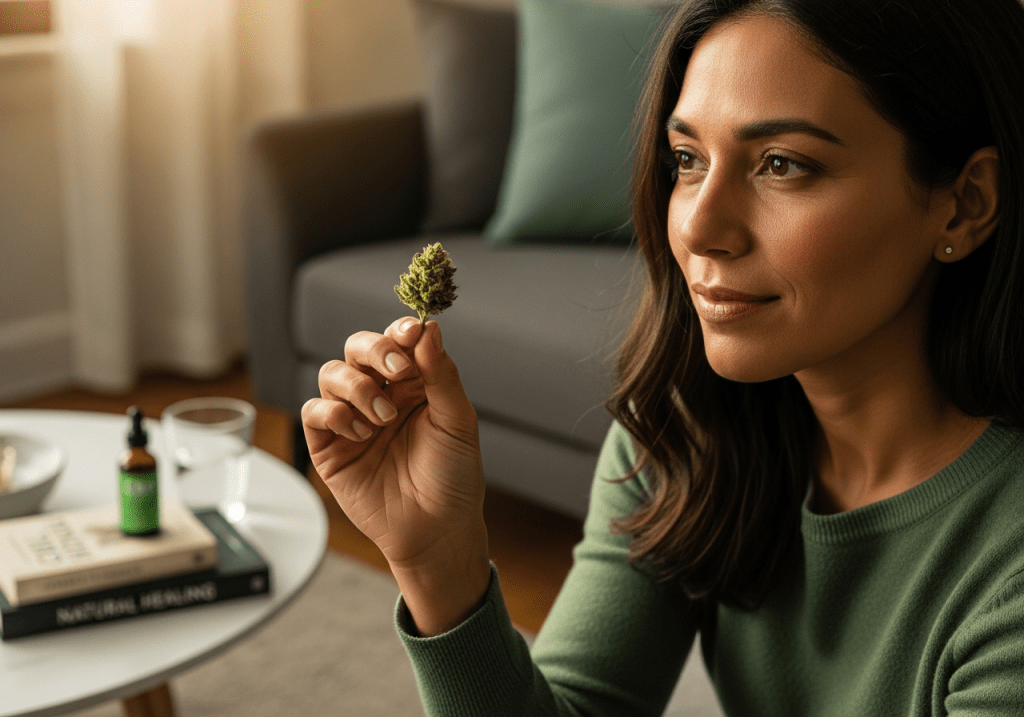
Medical marijuana programs across the United States recognize various forms of arthritis as qualifying conditions, though specific requirements vary by state. Understanding which arthritis types qualify and how the application process works can help you access this therapeutic option legally and safely.
Qualifying Arthritis Conditions
Most state medical marijuana programs approve several types of arthritis:
1. Rheumatoid Arthritis (RA)
Rheumatoid arthritis is widely recognized as a qualifying condition because:
-
It causes chronic, debilitating pain
-
Conventional treatments often have severe side effects
-
The autoimmune inflammation responds well to cannabinoid therapy
-
Patients frequently require long-term pain management
Research shows RA patients using medical marijuana cannabis report significant improvements in:
-
Morning stiffness duration and severity
-
Joint swelling and tenderness
-
Overall disease activity scores
-
Sleep quality and duration
-
Reduced need for opioid medications
2. Osteoarthritis (OA)
As the most common form of arthritis, osteoarthritis qualifies in most states under:
-
“Chronic pain” provisions
-
“Degenerative joint disease” categories
-
“Severe or persistent pain” designations
-
Specific “osteoarthritis” listings in some states
OA patients benefit from cannabis effects on:
-
Cartilage protection and reduced degradation
-
Localized joint inflammation
-
Pain from bone-on-bone contact
-
Secondary muscle tension and spasms
3. Psoriatic Arthritis
This combination of arthritis and psoriasis qualifies because it involves:
-
Chronic inflammatory joint disease
-
Autoimmune dysfunction
-
Skin inflammation that may respond to cannabinoids
-
Often severe pain and disability
4. Ankylosing Spondylitis
This inflammatory spine condition qualifies as:
-
A chronic inflammatory arthritis
-
Often causing severe, debilitating pain
-
May lead to spinal fusion and limited mobility
-
Frequently requires long-term pain management
5. Other Qualifying Arthritis Forms:
-
Juvenile Arthritis: Approved in some states for pediatric patients with severe symptoms
-
Gout: May qualify under chronic pain provisions during frequent attacks
-
Reactive Arthritis: When chronic and causing persistent symptoms
-
Lupus-related Arthritis: Part of systemic lupus erythematosus qualification
-
Fibromyalgia: Often co-occurs with arthritis and qualifies independently
State-Specific Qualifying Criteria
While most states recognize arthritis, the exact terminology and requirements differ:
Broad “Chronic Pain” States: Many states, including California, Florida, and New York, allow medical marijuana for “chronic pain,” which encompasses most arthritis types. This provides the widest access for arthritis patients.
Specific Arthritis Listings: Some states explicitly list arthritis conditions:
-
Arizona: “Chronic pain” that has not responded to conventional treatment
-
Pennsylvania: “Severe chronic or intractable pain”
-
Illinois: “Chronic pain that is refractory to other medical treatments”
-
New Mexico: “Chronic pain” as a qualifying condition
Documentation Requirements for Arthritis Qualification
To qualify for a medical marijuana card for arthritis, you typically need:
-
Confirmed Diagnosis: Medical records showing arthritis diagnosis through:
-
Treatment History: Evidence that you’ve tried conventional treatments:
-
Ongoing Care: Active treatment relationship with a healthcare provider who can attest to:
What About Alternative Terms?
Some states use broader categories that include arthritis:
-
“Severe or persistent pain” (covers arthritis pain)
-
“Chronic inflammatory conditions” (includes inflammatory arthritis)
-
“Autoimmune disorders” (covers RA, psoriatic arthritis)
-
“Degenerative conditions” (includes osteoarthritis)
-
“Conditions causing chronic pain or muscle spasms” (encompasses arthritis symptoms)
Special Considerations for Different Arthritis Types
For Rheumatoid Arthritis Patients:
Cannabis medical marijuana for RA may be particularly beneficial because:
-
The immune-modulating effects of cannabinoids may help control autoimmune activity
-
CB2 receptor activation in immune cells can reduce systemic inflammation
-
May allow reduction of DMARD doses and their side effects
-
Addresses both pain and the underlying inflammatory process
Studies published in peer-reviewed journals show that cannabinoids suppress TNF-α secretion and reduce inflammatory cell infiltration in RA joints.
For Osteoarthritis Patients:
Cannabis weed for OA offers unique benefits:
-
Direct cartilage protection through reduced MMP activity
-
Localized pain relief without systemic side effects (with topicals)
-
May slow disease progression in early stages
-
Particularly effective for weight-bearing joint pain (knees, hips)
Research indicates CBD prevents pain and nerve damage in osteoarthritis models while protecting joints from severe damage.
How to Qualify: Step-by-Step Process

Step 1: Verify Your State’s Program Check if your state has a medical marijuana program and whether arthritis qualifies. Visit our state-specific pages for detailed information.
Step 2: Gather Medical Documentation Collect all relevant records:
-
Diagnosis confirmation from your rheumatologist or primary care doctor
-
Imaging results (X-rays, MRI, CT scans)
-
Laboratory test results
-
Treatment history and medication lists
-
Documentation of pain levels and functional limitations
Step 3: Consult with a Licensed Medical Marijuana Doctor Through LeafyRX, you can:
-
Schedule a telehealth appointment with a state-licensed physician
-
Review your medical history and qualifying condition
-
Discuss cannabis treatment options appropriate for your arthritis type
-
Receive your medical marijuana recommendation if approved
Step 4: Apply for Your State Medical Card After receiving your recommendation:
-
Submit your application to your state’s medical marijuana program
-
Pay required fees (typically $50-$200 depending on state)
-
Wait for approval (usually 2-4 weeks)
-
Receive your medical marijuana card
Step 5: Access Licensed Dispensaries With your card, you can:
-
Purchase medical-grade cannabis products
-
Receive guidance from dispensary staff on arthritis-specific strains
-
Access products not available to recreational users
-
Benefit from medical marijuana tax exemptions in some states
Arthritis Effects on Medical Marijuana Eligibility
Your eligibility strengthens when you can demonstrate that arthritis:
-
Causes chronic pain lasting 3+ months
-
Significantly impacts daily activities and quality of life
-
Has not responded adequately to conventional treatments
-
Creates medication side effects that limit treatment options
-
Affects your ability to work or perform regular activities
-
Disrupts sleep and overall functioning
Important Note on Federal vs. State Law
While arthritis qualifies for medical marijuana in most state programs, cannabis remains federally illegal as a Schedule I substance. However:
-
State medical marijuana laws protect qualified patients within their state
-
Federal enforcement has largely taken a hands-off approach to state programs
-
You cannot transport cannabis across state lines, even between legal states
-
Federal employees and those in safety-sensitive positions may face restrictions
-
Always follow your state’s specific regulations and possession limits
By understanding what types of arthritis qualify and gathering proper documentation, you can navigate the medical marijuana certification process confidently and legally access this treatment option for your condition.
Medical Marijuana Products and Delivery Methods for Arthritis
Not all cannabis products work the same way for arthritis. The delivery method you choose significantly affects how quickly you feel relief, how long it lasts, and which symptoms it addresses most effectively. Understanding your options helps you create a personalized arthritis treatment plan.
Cannabis Product Types for Arthritis Management
1. Topical Applications: Targeted Joint Relief
How They Work: Topical cannabis products are applied directly to the skin over painful joints. The cannabinoids penetrate the skin and interact with local CB2 receptors in surrounding tissue, providing relief without entering the bloodstream or causing psychoactive effects.
Best For:
-
Localized arthritis pain in specific joints (knees, hands, elbows)
-
Daytime use when you need clear-headed relief
-
Patients who want to avoid any psychoactive effects
-
Combination therapy with other cannabis products
-
Acute flare-ups in particular joints
Product Forms:
-
Creams and Lotions: Easy to apply, absorbed quickly, good for larger areas
-
Balms and Salves: Thicker consistency, longer-lasting, excellent for deep tissue pain
-
Patches: Provide sustained release over 8-12 hours, very convenient
-
Roll-ons: Precise application, no mess, portable
Usage Tips:
-
Apply generously to clean, dry skin over affected joints
-
Massage in circular motions to enhance absorption
-
Reapply every 4-6 hours as needed
-
Can be used alongside oral cannabis products for enhanced relief
-
Look for products with both CBD and THC for maximum anti-inflammatory effects
Research Support: A study published in the European Journal of Pain found that transdermal CBD application significantly reduced joint swelling, reduced immune cell infiltration, and normalized paw withdrawal latency in arthritis models, with effects lasting long after treatment stopped.
2. Tinctures and Sublingual Oils: Fast-Acting Systemic Relief
How They Work: Cannabis tinctures are liquid extracts placed under the tongue (sublingually). The cannabinoids absorb directly through the mucous membranes into the bloodstream, bypassing the digestive system for faster onset than edibles but longer duration than inhalation.
Best For:
-
Whole-body arthritis affecting multiple joints
-
Patients who prefer smokeless consumption
-
Precise dosing control
-
Morning stiffness relief
-
Nighttime pain management
-
Combining CBD and THC in specific ratios
Onset and Duration:
-
Effects begin: 15-45 minutes
-
Peak effect: 1-2 hours
-
Total duration: 4-6 hours
-
Highly predictable and consistent
Dosing Guidelines:
-
Start with 2.5-5mg total cannabinoids
-
Hold under tongue for 60-90 seconds before swallowing
-
Increase by 2.5mg every 3-4 days until desired effect
-
Most arthritis patients find relief at 10-40mg per dose
-
Split doses throughout the day for consistent coverage
Product Considerations:
-
Choose full-spectrum or broad-spectrum for entourage effect
-
Look for third-party lab testing results
-
MCT oil base absorbs better than alcohol-based tinctures
-
Consider flavored options for better taste
3. Edibles: Long-Lasting Relief for Chronic Arthritis
How They Work: Edibles are cannabis-infused foods or beverages that must pass through the digestive system. The liver metabolizes THC into 11-hydroxy-THC, a more potent compound that produces stronger, longer-lasting effects.
Best For:
-
All-day pain management
-
Overnight relief and improved sleep
-
Systemic inflammatory arthritis (RA, psoriatic arthritis)
-
Patients who need extended relief between doses
-
Those who cannot or prefer not to smoke/vape
Onset and Duration:
-
Effects begin: 30-120 minutes (varies by metabolism, stomach contents)
-
Peak effect: 2-4 hours
-
Total duration: 6-12 hours
-
Most consistent with regular use
Popular Forms:
-
Gummies: Easy to dose, discrete, variety of cannabinoid ratios
-
Capsules: Precise dosing, no taste, easy to swallow
-
Chocolates: Enjoyable, usually higher doses
-
Beverages: Faster onset than solid edibles (30-60 minutes)
-
Cooking Oils: Make your own medicated meals
Dosing Best Practices:
-
Start with 2.5-5mg THC for new users
-
Wait at least 2 hours before taking more (delayed onset can be deceiving)
-
Take with a small meal containing healthy fats for better absorption
-
Most arthritis patients use 5-20mg THC per dose
-
Consider CBD-dominant (20:1 or 10:1 CBD:THC) for daytime use
Important Note: Edibles affect everyone differently based on:
-
Metabolism speed
-
Liver function
-
Body weight
-
Food in stomach
-
Individual cannabinoid sensitivity
Keep a journal to track doses, timing, and effects until you find your optimal regimen.
4. Vaporizers: Rapid Relief for Acute Flare-ups
How They Work: Vaporizers heat cannabis to temperatures (315-440°F) that release cannabinoids as vapor without combustion, avoiding the harmful toxins created by smoking. Cannabinoids enter the bloodstream through the lungs.
Best For:
-
Sudden arthritis flare-ups requiring immediate relief
-
Breakthrough pain between doses of other products
-
Patients who need flexible dosing throughout the day
-
Those with experience using cannabis
-
Nausea relief (from medications or arthritis itself)
Onset and Duration:
-
Effects begin: 1-5 minutes
-
Peak effect: 15-30 minutes
-
Total duration: 2-4 hours
-
Most rapid relief method
Device Types:
-
Dry Herb Vaporizers: Use ground cannabis flower, full-spectrum effects
-
Oil Cartridge Vaporizers: Concentrated oils, discrete, portable
-
Desktop Vaporizers: Larger units for home use, precise temperature control
Usage Guidelines:
-
Start with 1-2 small inhalations
-
Wait 5-10 minutes to assess effects
-
Adjust dose as needed
-
Typical dose: 3-6 inhalations per session
-
Can be used 3-4 times daily for breakthrough pain
Benefits Over Smoking:
-
Cleaner delivery, no tar or carcinogens
-
Better cannabinoid preservation
-
More discreet (less odor)
-
Easier on lungs and throat
-
Better taste and experience
Temperature Considerations:
-
315-325°F: Releases CBD and terpenes, minimal THC (good for inflammation)
-
350-370°F: Balanced CBD and THC release (ideal for most arthritis patients)
-
380-430°F: Maximum THC release (stronger pain relief, more psychoactive)
5. Capsules and Pills: Precise Medical Dosing
How They Work: Similar to edibles but in standardized pharmaceutical-style capsules containing cannabis oil. Offers the most precise and consistent dosing.
Best For:
-
Patients who want pharmaceutical-style dosing
-
Those taking multiple medications who need precise tracking
-
People who dislike cannabis taste
-
Medical cannabis newcomers
-
Creating consistent daily routines
Advantages:
-
Exact same dose every time
-
No taste or smell
-
Easy to incorporate into medication schedules
-
Portable and discrete
-
Often available in various CBD:THC ratios
-
Some formulations include beneficial additives (turmeric, black pepper extract)
Typical Dosing:
-
Available in 2.5mg, 5mg, 10mg, and 25mg doses
-
Most common arthritis dose: 5-20mg twice daily
-
Can combine different ratios for day/night use
-
Effects last 6-8 hours
6. Smoking (Flower): Traditional Method
While we generally don’t recommend smoking due to lung health concerns, some patients prefer cannabis flower for:
-
Fastest possible relief
-
Full-spectrum entourage effect from whole plant
-
Cost-effectiveness
-
Personal preference
If you choose to smoke:
-
Use filtered devices (water pipes) to reduce harshness
-
Take small, controlled inhalations
-
Store flower properly in airtight containers
-
Consider switching to vaporization for healthier delivery
-
Never combine with tobacco
Choosing the Right Delivery Method: Decision Guide
For Multi-Joint Systemic Arthritis (RA, Psoriatic Arthritis):
-
Primary: Tinctures or capsules for consistent daily dosing
-
Supplement: Topicals for particularly painful joints
-
Breakthrough: Vaporizer for severe flare-ups
For Localized Osteoarthritis (Knee, Hip, Hand):
-
Primary: Topicals applied directly to affected joints
-
Supplement: Low-dose edibles or tinctures for overall inflammation
-
Nighttime: Edible or capsule for sleep quality
For Morning Stiffness:
-
Take tincture or edible 30-60 minutes before usual wake time
-
Keep vaporizer bedside for immediate relief upon waking
-
Apply topicals after morning shower
For Sleep Disruption from Arthritis Pain:
-
Evening edible or capsule 2-3 hours before bed
-
THC-dominant or balanced product
-
Add topical application before bed for joint-specific relief
Combining Multiple Delivery Methods
Many arthritis patients find the best relief using multiple products:
Example Multi-Modal Approach:
-
Morning: 10mg CBD:THC tincture (5:1 ratio) sublingually + topical on hands
-
Midday: Topical reapplication as needed
-
Evening: 10mg balanced (1:1) CBD:THC edible
-
As Needed: Vaporizer for breakthrough pain
-
Bedtime: Topical application + additional edible if needed
This approach provides:
-
Sustained baseline relief throughout the day
-
Targeted treatment for specific joints
-
Flexibility for varying pain levels
-
Sleep support
-
Minimal psychoactive effects during daytime
Safety Considerations for All Methods
Regardless of delivery method:
-
Start Low, Go Slow: Begin with the lowest effective dose
-
Track Your Usage: Keep a log of products, doses, timing, and effects
-
Avoid Driving: Don’t operate vehicles or heavy machinery while using THC products
-
Store Safely: Keep all cannabis products away from children and pets
-
Check Interactions: Consult your doctor about potential medication interactions
-
Buy From Licensed Sources: Only purchase from state-licensed dispensaries
-
Read Labels Carefully: Verify cannabinoid content and serving sizes
By understanding these delivery methods and how they work, you can work with your healthcare provider to develop an arthritis treatment plan that addresses your specific needs, lifestyle, and symptom patterns.
THC:CBD Ratios and Cannabis Strains for Arthritis
Finding the right cannabis strain and cannabinoid ratio is crucial for arthritis management. Different combinations of THC and CBD provide varying levels of pain relief, inflammation reduction, and psychoactive effects. Understanding these ratios helps you select products that match your treatment goals and tolerance.
Understanding THC:CBD Ratios
The ratio of THC to CBD in a cannabis product determines its therapeutic profile and psychoactive intensity. Here’s a comprehensive guide:
High-CBD, Low-THC Ratios (20:1, 10:1, 5:1 CBD:THC)
Best For:
-
First-time medical marijuana users
-
Daytime arthritis management
-
Patients sensitive to THC
-
Those who need to remain clear-headed
-
Inflammation-focused treatment
-
Autoimmune arthritis (RA, psoriatic arthritis)
Effects:
-
Strong anti-inflammatory properties
-
Mild to moderate pain relief
-
No significant psychoactive effects
-
Clear mental function
-
Reduced anxiety and stress
-
May counteract THC if taken together
Example Products:
-
20mg CBD : 1mg THC tincture
-
CBD-dominant gummies (25:1 ratio)
-
High-CBD flower strains (Charlotte’s Web, ACDC, Harlequin)
Typical Dosing:
-
10-40mg CBD per dose
-
0.5-2mg THC per dose
-
Can be used multiple times daily
Research Support: Studies show CBD reduces IL-6, IL-8, and matrix metalloproteinase secretion from arthritis synovial cells, protecting joints from severe damage. The minimal THC enhances CBD absorption without causing intoxication.
Balanced Ratios (2:1, 1:1, 1:2 CBD:THC)
Best For:
-
Moderate to severe arthritis pain
-
Patients with some cannabis experience
-
Combination therapy (pain + inflammation)
-
Evening and nighttime use
-
Nerve pain (neuropathic) component
-
Whole-body inflammatory arthritis
Effects:
-
Strong pain relief (analgesic)
-
Powerful anti-inflammatory action
-
Improved sleep quality
-
Mild to moderate psychoactive effects
-
Muscle relaxation
-
“Entourage effect” (THC and CBD work synergistically)
Example Products:
-
1:1 Tinctures (10mg CBD : 10mg THC)
-
Balanced gummies (5mg each)
-
Balanced strains (Cannatonic, Pennywise, Sweet and Sour Widow)
Typical Dosing:
-
Start: 2.5mg each CBD and THC
-
Therapeutic: 5-15mg each per dose
-
Maximum: 20-30mg each for severe symptoms
Why Balanced Ratios Work: Research indicates CBD enhances THC’s pain-relieving properties while reducing potential anxiety or paranoia. The combination produces greater anti-inflammatory effects than either compound alone.
High-THC, Low-CBD Ratios (10:1, 5:1, 1:0 THC:CBD)
Best For:
-
Severe, treatment-resistant arthritis pain
-
Nighttime pain management
-
Insomnia related to arthritis
-
Patients with high THC tolerance
-
Breakthrough pain episodes
-
When other treatments have failed
Effects:
-
Maximum pain relief
-
Significant psychoactive effects
-
Strong sedation (helpful for sleep)
-
Muscle spasm reduction
-
Appetite stimulation (combats medication side effects)
-
Euphoria or “high” feeling
Example Products:
-
High-THC tinctures (20mg THC : 1mg CBD)
-
THC-dominant edibles
-
Indica-dominant flower strains
Typical Dosing:
-
New users: 2.5-5mg THC
-
Experienced: 10-25mg THC
-
Nighttime: Up to 50mg THC for sleep
Important Cautions:
-
Can impair driving and cognitive function
-
May cause anxiety in THC-sensitive individuals
-
Build tolerance with regular use
-
Best reserved for evening/bedtime use
-
Not recommended for work days
Best Cannabis Strains for Arthritis
Cannabis strains fall into three categories based on their genetic lineage and effects: Indica, Sativa, and Hybrid. Each offers different therapeutic benefits for arthritis.
Indica-Dominant Strains: Deep Relaxation and Pain Relief
Characteristics:
-
Body-centered effects (“body high”)
-
Sedating and relaxing
-
Best for evening/nighttime use
-
Excellent for sleep
-
Heavy muscle relaxation
Top Indica Strains for Arthritis:
-
Granddaddy Purple (GDP)
-
Northern Lights
-
Bubba Kush
-
Purple Kush
Sativa-Dominant Strains: Energizing Pain Relief
Characteristics:
-
Cerebral effects (“head high”)
-
Energizing and uplifting
-
Best for daytime use
-
Improves mood and focus
-
Less sedating
Top Sativa Strains for Arthritis:
-
Sour Diesel
-
Jack Herer
-
Green Crack
-
Durban Poison
Hybrid Strains: Balanced Relief
Characteristics:
-
Combination of Indica and Sativa genetics
-
Balanced mind-body effects
-
Versatile for different times of day
-
Customizable effects based on specific hybrid
Top Hybrid Strains for Arthritis:
-
Blue Dream (Sativa-Dominant Hybrid)
-
Girl Scout Cookies (GSC) (Indica-Dominant Hybrid)
-
OG Kush (Hybrid)
-
Cannatonic (CBD-Rich Hybrid)
-
Harlequin (Sativa-Dominant CBD Strain)
-
ACDC (High-CBD Hybrid)
The Role of Terpenes in Arthritis Relief
Terpenes are aromatic compounds that give cannabis its distinctive smells and flavors. More importantly, they have their own therapeutic properties that enhance cannabinoids’ effectiveness, a phenomenon called the “entourage effect.”
Key Terpenes for Arthritis:
β-Caryophyllene
-
Effect: Powerful anti-inflammatory (binds to CB2 receptors)
-
Aroma: Peppery, spicy, woody
-
Research: Reduces inflammation and may protect gastric lining (unlike NSAIDs)
-
Found in: Black pepper, cloves, cinnamon, hops
-
Strains high in Caryophyllene: Bubba Kush, Sour Diesel, Girl Scout Cookies
Myrcene
-
Effect: Sedating, muscle relaxant, analgesic (pain relief)
-
Aroma: Earthy, musky, herbal (like cloves)
-
Research: Enhances THC effects, increases cannabinoid absorption
-
Found in: Mangoes, lemongrass, thyme, hops
-
Strains high in Myrcene: Granddaddy Purple, Blue Dream, OG Kush
Limonene
-
Effect: Anti-inflammatory, mood-elevating, stress-relieving
-
Aroma: Citrus, lemon, orange
-
Research: May reduce arthritis-related depression and anxiety
-
Found in: Citrus fruits, juniper, peppermint
-
Strains high in Limonene: Sour Diesel, Super Lemon Haze, Durban Poison
Pinene
-
Effect: Anti-inflammatory, bronchodilator, alertness
-
Aroma: Pine, forest, fresh
-
Research: May counteract THC-induced memory impairment
-
Found in: Pine needles, rosemary, basil, parsley
-
Strains high in Pinene: Jack Herer, Blue Dream, OG Kush
Linalool
-
Effect: Calming, anti-anxiety, pain relief, anti-inflammatory
-
Aroma: Lavender, floral, spicy
-
Research: Reduces stress and may enhance sleep quality
-
Found in: Lavender, coriander, birch
-
Strains high in Linalool: Amnesia Haze, Lavender, LA Confidential
Choosing Your Ideal Strain and Ratio
Step 1: Define Your Primary Goal
-
Pain relief = Moderate to high THC
-
Inflammation reduction = High CBD
-
Sleep improvement = Indica with myrcene
-
Daytime function = Sativa or high-CBD
-
Comprehensive relief = Balanced hybrid
Step 2: Consider Your Experience Level
-
Beginner: Start with high-CBD, low-THC (20:1 or 10:1)
-
Intermediate: Try balanced ratios (1:1 or 2:1)
-
Experienced: Can use high-THC for severe pain
Step 3: Match to Time of Day
-
Morning: Sativa or high-CBD hybrid (Harlequin, Jack Herer)
-
Afternoon: Balanced hybrid (Blue Dream, Cannatonic)
-
Evening: Indica or indica-dominant hybrid (Granddaddy Purple, OG Kush)
Step 4: Factor in Arthritis Type
-
Rheumatoid Arthritis: Focus on high-CBD anti-inflammatory strains
-
Osteoarthritis: Balanced ratios for pain and cartilage protection
-
Psoriatic Arthritis: High-CBD for autoimmune + skin benefits
-
Gout: Anti-inflammatory CBD during attacks, THC for pain
Step 5: Consult Product Labels Always check third-party lab tests showing:
-
Exact THC and CBD percentages
-
Terpene profile
-
Contaminant testing (pesticides, heavy metals)
-
Strain name and genetics
Sample Arthritis Cannabis Regimens
Regimen 1: Mild Osteoarthritis (Daytime Function Priority)
-
Morning: Harlequin (5:2 CBD:THC) via vaporizer
-
Midday: CBD topical on affected joints
-
Evening: Cannatonic (1:1) tincture 10mg each
-
Bedtime: Granddaddy Purple edible 5-10mg THC
Regimen 2: Severe Rheumatoid Arthritis (Maximum Relief)
-
Morning: ACDC (20:1 CBD:THC) capsule 40mg CBD
-
Midday: CBD topical + 2:1 CBD:THC tincture
-
Evening: Blue Dream (balanced) edible 10mg THC, 10mg CBD
-
Bedtime: Bubba Kush 15mg THC for sleep + topical application
Regimen 3: Active Lifestyle with Moderate Pain
-
Morning: Jack Herer vaporizer (keeps energy up)
-
Pre/Post Exercise: CBD topical for joint support
-
Afternoon: 10:1 CBD:THC tincture (minimal impairment)
-
Evening: 1:1 balanced edible for overnight relief
By understanding these ratios, strains, and terpenes, you can work with your healthcare provider and dispensary staff to select the most effective cannabis products for your specific arthritis type and symptoms.
Clinical Research: What the Science Says About Cannabis for Arthritis

While patient testimonials are encouraging, it’s crucial to examine what peer-reviewed scientific research reveals about medical marijuana for arthritis. The evidence base is growing, with studies ranging from cellular research to clinical trials involving arthritis patients.
Preclinical Evidence: Laboratory and Animal Studies
Endocannabinoid System in Arthritic Joints
Groundbreaking research by Richardson et al. (2008) examined synovial fluid, the lubricating liquid inside joints, from patients with osteoarthritis and rheumatoid arthritis. The findings were significant:
-
CB1 and CB2 cannabinoid receptor proteins and RNA were present in the synovia of arthritis patients but not in healthy volunteers
-
The endocannabinoid 2-arachidonylglycerol (2-AG) was found in arthritic joint fluid
-
Cannabinoid receptor stimulation activated inflammatory signaling pathways that could be blocked with CB1 antagonists
This suggests the involvement of the endocannabinoid system in the development of rheumatoid diseases.
CBD Protects Joints in Arthritis Models
Multiple animal studies demonstrate CBD’s protective effects:
Philpott et al. (2017) - Osteoarthritis Prevention: CBD administration in rat osteoarthritis models showed:
-
Blocked progression of early-stage arthritis
-
Prevented nerve damage and pain development
-
Protected joints from severe damage
-
Reduced inflammatory cell infiltration
-
Effects persisted even after treatment stopped
Malfait et al. (2000) - Collagen-Induced Arthritis: In mouse models of rheumatoid-like arthritis:
-
Both oral and intraperitoneal CBD blocked RA progression
-
Protected joints from severe damage
-
Reduced interferon-γ production
-
Decreased TNF-α release from knee synovial cells
-
Effects occurred at doses as low as 5mg/kg
Transdermal CBD Application Study (Hammell et al., 2016): Applying CBD gel to arthritic rat joints for four consecutive days:
-
Significantly reduced joint swelling
-
Normalized pain responses to heat
-
Reduced pro-inflammatory biomarkers in dose-dependent manner
-
Did not alter exploratory behavior (no brain impairment)
-
Provided long-lasting anti-arthritic effects
THC Mechanisms in Arthritis Pain
Research on THC demonstrates multiple pain-relieving mechanisms:
Smith et al. (1998) - Nociception Blockade:
-
Δ9-THC and anandamide both produced anti-nociceptive effects in arthritic rats
-
THC effects were blocked by CB1 antagonist but not CB2
-
Suggested THC works through central nervous system CB1 receptors to reduce pain perception
Cox et al. (2007) - CB2 Involvement:
-
THC produced anti-nociceptive effects in arthritic rats
-
CB2 inhibitor attenuated these effects in arthritic (but not normal) rats
-
Indicates peripheral CB2 receptors in inflamed tissue contribute to pain relief
Synthetic Cannabinoids Show Promise
Several studies examined synthetic cannabis compounds:
Zurier et al. (1998) - DMH-11C: Non-psychoactive THC derivative tested in rats:
-
Reduced polymorphonuclear leukocyte accumulation in acute inflammation
-
Prevented severe joint tissue injury in chronic arthritis
-
Diminished arthritis severity
-
Rats remained active with minimal weight loss compared to controls
Sumariwalla et al. (2004) - HU-320: Synthetic cannabinoid in collagen-induced arthritis:
-
Ameliorated arthritis symptoms
-
Protected foot joints from pathological damage
-
Suppressed serum TNF-α levels
-
Down-regulated lymphocyte responses
Clinical Trials in Human Arthritis Patients
While animal studies are promising, human clinical trials provide the most relevant evidence:
Sativex® Trial in Rheumatoid Arthritis (Blake et al., 2006)
Study Design:
-
Randomized, double-blind, placebo-controlled trial
-
58 RA patients (31 Sativex®, 27 placebo)
-
5-week treatment period
-
Sativex®: oromucosal spray containing 2.7mg THC + 2.5mg CBD per spray
Results:
-
Statistically significant improvements in:
-
No adverse event-related withdrawals
-
Only mild to moderate side effects (dizziness, lightheadedness, dry mouth)
Significance: This landmark study provided the first randomized controlled evidence that cannabis-based medicine could improve arthritis symptoms in humans.
FAAH Inhibitor Trial (Huggins et al., 2012)
Study Design:
-
74 osteoarthritis patients
-
Tested PF-04457845 (increases endocannabinoid levels) vs. naproxen vs. placebo
-
2-week double-blind crossover trial
Results:
-
Naproxen showed efficacy vs. placebo
-
FAAH inhibitor did not differentiate from placebo
-
Study terminated early due to futility
Implications: Simply increasing endocannabinoid levels may not be sufficient; direct cannabinoid supplementation (like cannabis use) may be necessary for therapeutic benefit.
Cannabis-Based Medicine Trials (Notcutt et al., 2004)
Study Design:
-
34 patients with chronic pain conditions (including arthritis)
-
Compared three cannabis extract variants: THC, CBD, THC+CBD
-
12-week randomized, double-blind, placebo-controlled crossover
Results:
-
THC-based extracts most effective for pain control
-
Sublingual spray delivery well-tolerated
-
Only mild side effects reported
-
Patients showed preference for continued use
Vaporized Cannabis for Chronic Pain (Wilsey et al., 2013)
Study Design:
-
39 patients with neuropathic pain (applicable to arthritis nerve pain)
-
Medium-dose (3.53% THC), low-dose (1.29% THC), or placebo
-
Randomized, double-blind, placebo-controlled crossover
Results:
-
Cannabis had analgesic effects similar to conventional painkillers
-
Pain reduction measured on visual analog scale
-
Only mild, reversible psychoactive effects
-
Limited duration of cognitive effects
Systematic Reviews and Meta-Analyses
JAMA Clinical Review (Hill, 2015)
Comprehensive review of medical marijuana for chronic pain concluded:
-
High-quality evidence supports cannabis use for chronic pain (including arthritis)
-
6 trials with 325 patients examined chronic pain: several showed positive results
-
Medical marijuana may be efficacious for pain management
-
More research needed on long-term safety and optimal dosing
Rambam Scoping Review (Paland et al., 2023)
Recent comprehensive review examining cannabis for rheumatoid diseases found:
Preclinical Evidence:
-
CBD and THC possess anti-inflammatory and analgesic properties
-
Cannabinoids inhibit pro-inflammatory cytokines (TNF-α, IL-1β, IL-6, IL-8)
-
Block NF-κB inflammatory signaling pathway
-
Reduce matrix metalloproteinase (MMP) secretion protecting cartilage
Clinical Evidence:
-
Limited but promising human studies
-
Sativex® showed efficacy in RA pain management
-
Need for larger, longer-term clinical trials
-
Mixed results require more rigorous research
New Zealand Medical Journal Review (Van den Berg et al., 2020)
Rapid review of cannabis-based products for arthritis concluded:
-
Animal studies identified endocannabinoid pathways potentially amenable to intervention
-
One RCT showed Sativex® improvements in RA pain
-
Currently insufficient evidence to recommend routine clinical use
-
Several ongoing registered clinical trials
-
Public perception of efficacy conflicts with limited human evidence
Retrospective and Observational Studies
Real-world evidence from arthritis patients using cannabis:
Canadian Legalization Studies (Fitzcharles et al., 2020; Ste-Marie et al., 2016)
After cannabis legalization in Canada:
-
Medical cannabis use among rheumatology patients tripled (4.3% to 12.6%)
-
69% of users reported pain relief
-
12% reported improved sleep
-
15% reported improved fatigue
-
Most common condition: osteoarthritis
-
Younger patients and previous recreational users more likely to use
-
61.5% reported adverse effects (mainly cognitive: drowsiness, fatigue, lack of motivation)
UK Nationwide Survey (Ware et al., 2005)
Self-administered questionnaire from 2,969 participants:
-
Medical cannabis used for: chronic pain (25%), multiple sclerosis (22%), arthritis (26%)
-
68% reported symptom improvement
-
45% said cannabis worked better than other medicines
-
77% stated symptoms returned or worsened after stopping cannabis
-
Supported development of safe cannabis-based medicines
Meta-Analysis of Cannabis Use (Guillouard et al., 2021)
Analysis of 29,000 patients:
-
40.4% had used cannabis (15.3% current users)
-
Higher use in fibromyalgia (68.2%) vs. RA/lupus (26%)
-
Cannabis users were younger, more likely to be smokers, unemployed
-
Pain intensity reduced from 8.2 to 5.6 on VAS scale
-
~20% of rheumatoid disease patients using cannabis reported pain improvement
Mechanisms: How Cannabis Works for Arthritis
The research reveals cannabis works through multiple complementary pathways:
1. Anti-Inflammatory Actions:
-
Suppresses pro-inflammatory cytokines (TNF-α, IL-1β, IL-6, IL-8)
-
Inhibits NF-κB transcription factor activation
-
Reduces COX-2 enzyme expression
-
Shifts immune response from Th1 to Th2 (anti-inflammatory)
2. Pain Modulation:
-
CB1 receptor activation blocks pain signal transmission
-
CB2 receptor activation in peripheral tissues
-
Modulation of central sensitization
-
Enhancement of endogenous opioid release
3. Joint Protection:
-
Reduces MMP secretion (protects cartilage from degradation)
-
Decreases inflammatory cell infiltration into joints
-
May support healthy bone remodeling through CB2
-
Prevents synovial membrane thickening
4. Systemic Benefits:
-
Improves sleep quality (critical for pain management)
-
Reduces depression and anxiety often co-occurring with arthritis
-
Enhances overall quality of life
-
May allow reduction of other medication doses
Current Research Limitations
While promising, the evidence has gaps:
Study Limitations:
-
Small sample sizes in many trials
-
Short duration (most under 3 months)
-
Heterogeneous products tested
-
Variability in cannabinoid ratios
-
Limited head-to-head comparisons with standard treatments
-
Few long-term safety studies
Areas Needing More Research:
-
Optimal dosing protocols for different arthritis types
-
Long-term efficacy and safety (>1 year)
-
Comparison with conventional DMARDs
-
Effects on disease progression (not just symptoms)
-
Pediatric arthritis applications
-
Drug-drug interactions
-
Biomarkers predicting treatment response
Ongoing Clinical Trials
Several active trials are investigating cannabis for arthritis:
NCT03693833: CBD treatment in hand osteoarthritis and psoriatic arthritis Aston Brown University Study: Double-blind, placebo-controlled crossover examining medium-THC and medium-CBD in 76 psoriatic/RA patients
Results from these ongoing studies will substantially expand our understanding of cannabis efficacy and safety for arthritis.
Bottom Line: What Science Currently Supports
Strong Evidence For:
-
Cannabis reduces arthritis-related chronic pain
-
Improves sleep quality in arthritis patients
-
Generally well-tolerated with mild side effects
-
May allow reduction of opioid and NSAID use
Moderate Evidence For:
-
Anti-inflammatory effects in rheumatoid arthritis
-
Improvement in quality of life measures
-
Reduction in disease activity scores
Preliminary Evidence For:
-
Cartilage protection in osteoarthritis
-
Disease-modifying potential (slowing progression)
-
Immune system modulation in autoimmune arthritis
Insufficient Evidence:
-
Optimal cannabinoid ratios for specific arthritis types
-
Long-term safety beyond 1 year
-
Effects on structural joint damage
-
Superiority over conventional treatments
The scientific consensus is that medical marijuana shows substantial promise for arthritis pain management, but more rigorous, long-term clinical trials are needed to establish definitive treatment protocols and safety profiles.
Potential Risks and Side Effects of Medical Marijuana for Arthritis

While medical marijuana offers significant benefits for arthritis management, it’s not without potential risks and side effects. Understanding these helps you make informed decisions and use cannabis safely under medical supervision.
Common Short-Term Side Effects
Most side effects are mild, temporary, and diminish as your body adjusts to cannabis:
Psychoactive Effects (THC-Related):
-
Euphoria or “High”: Feeling intoxicated or altered consciousness
-
Anxiety or Paranoia: Particularly at high THC doses or in sensitive individuals
-
Dizziness or Lightheadedness: Especially when standing up quickly
-
Confusion or Disorientation: May affect short-term memory temporarily
-
Altered Perception: Changes in time perception, sensory enhancement
Physical Side Effects:
-
Dry Mouth (Cottonmouth): Very common; stay hydrated
-
Dry or Red Eyes: Use over-the-counter eye drops
-
Increased Heart Rate: Usually temporary, typically 20-30 minutes
-
Drowsiness or Fatigue: Particularly with indica strains or evening use
-
Increased Appetite: “The munchies” - can be beneficial or unwanted depending on patient
Coordination and Cognition:
-
Impaired Coordination: Affects fine motor skills temporarily
-
Slowed Reaction Time: Do not drive or operate heavy machinery
-
Short-Term Memory Impact: Difficulty retaining new information while intoxicated
-
Reduced Focus: Concentration may be affected during peak effects
Managing Common Side Effects
For Dry Mouth:
-
Drink water before, during, and after cannabis use
-
Chew sugar-free gum to stimulate saliva production
-
Use alcohol-free mouthwash
-
Avoid caffeine and alcohol (can worsen dryness)
For Dizziness:
-
Start with very low doses and increase gradually
-
Use CBD-dominant products (less likely to cause dizziness)
-
Sit or lie down if feeling lightheaded
-
Have food in your stomach before using cannabis
-
Switch to products with lower THC content
For Anxiety or Paranoia:
-
Reduce THC dose significantly
-
Use CBD-rich products (CBD can counteract THC anxiety)
-
Create comfortable, familiar environment
-
Practice deep breathing exercises
-
Remember effects are temporary (will pass)
-
Keep black pepper nearby (smell or chew peppercorns - contains calming terpenes)
For Cognitive Effects:
-
Plan use during times when alertness isn’t critical
-
Avoid complex tasks, driving, or important decisions
-
Use lower doses during daytime
-
Reserve higher-THC products for evening/bedtime
-
Stay in safe, comfortable settings
Long-Term Considerations
Tolerance Development:
-
Regular use can lead to reduced effects over time
-
May require higher doses to achieve same relief
-
Can be managed with:
Psychological Dependence:
-
Estimated 9% of users may develop mild dependence
-
Risk factors: daily use, high-THC products, younger age
-
Much lower addiction potential than opioids (~30% addiction rate)
-
Signs include:
Cognitive Effects with Heavy Long-Term Use:
-
May affect learning and memory formation
-
Effects mostly reversible after stopping
-
Most significant in adolescent/young adult brains (under 25)
-
Minimal impact in older arthritis patients using therapeutic doses
-
No evidence of permanent structural brain damage
Respiratory Effects (if Smoking):
-
Chronic cough and phlegm production
-
Bronchial irritation
-
Increased risk of respiratory infections
-
Does NOT appear to cause COPD or lung cancer (unlike tobacco)
-
Completely avoidable by using non-smoked forms (vaporizers, edibles, topicals)
Serious but Rare Risks
Cardiovascular Events:
-
Temporary increase in heart rate (tachycardia)
-
Rarely, orthostatic hypotension (blood pressure drop when standing)
-
Possible increased risk in those with:
Precaution: Arthritis patients with cardiovascular conditions should:
-
Consult cardiologist before starting cannabis
-
Start with very low doses of CBD-dominant products
-
Avoid high-THC products
-
Monitor heart rate and blood pressure
-
Use under close medical supervision
Cannabinoid Hyperemesis Syndrome (CHS):
-
Rare condition causing cyclic nausea and vomiting
-
Occurs in <.1% of regular users
-
Associated with very heavy, long-term use
-
Symptoms: severe nausea, vomiting, abdominal pain
-
Relief: hot showers (characteristic symptom)
-
Treatment: Stop cannabis use completely
Precipitation of Mental Health Issues:
-
Cannabis may worsen symptoms in individuals with:
-
Evidence suggests cannabis doesn’t cause these conditions but may:
Arthritis Patients Should Avoid or Use Extreme Caution if:
-
Personal or family history of psychotic disorders
-
History of substance abuse disorders
-
Severe anxiety or panic disorders
-
Pregnancy or breastfeeding
-
Severe liver disease
-
Severe cardiovascular disease
Medication Interactions
Cannabis can interact with common arthritis medications:
Drugs Metabolized by Cytochrome P450 Enzymes:
CBD inhibits CYP3A4 and CYP2D6 enzymes, which metabolize many medications. This can increase blood levels of:
-
Blood Thinners: Warfarin (Coumadin), clopidogrel (Plavix)
-
NSAIDs: Ibuprofen, naproxen, celecoxib
-
Corticosteroids: Prednisone, methylprednisolone
-
Immunosuppressants: Methotrexate, cyclosporine
-
Sedatives/CNS Depressants: Benzodiazepines, sleep medications, muscle relaxants
-
Antidepressants: SSRIs, SNRIs, tricyclics
-
Opioid Pain Medications: Morphine, oxycodone, hydrocodone
Important: Always inform your physician and pharmacist about cannabis use. Don’t stop prescribed medications without medical supervision.
Impaired Driving and Activities
Legal and Safety Concerns:
-
Driving under the influence of cannabis is illegal in all states
-
Impairment can last 3-6 hours after use (longer with edibles)
-
THC affects:
-
Testing: Blood or saliva tests can detect recent use
-
Penalties: DUI charges, license suspension, legal consequences
Safety Guidelines:
-
Never drive while feeling intoxicated
-
Wait at least 6 hours after use before driving
-
Use CBD-dominant products if you must drive
-
Arrange transportation when using THC products
-
Avoid operating heavy machinery or dangerous equipment
-
Don’t make important decisions while impaired
Special Populations
Pregnancy and Breastfeeding:
-
Strongly Contraindicated: Avoid all cannabis use
-
THC crosses the placenta and enters breast milk
-
Potential risks to fetal brain development
-
May affect birth weight and neurodevelopment
-
No amount considered safe during pregnancy/lactation
Older Adults (Common in Arthritis Patients):
-
Generally well-tolerated in seniors
-
May need lower doses (slower metabolism)
-
Increased fall risk due to dizziness - start very low
-
Benefits often outweigh risks for arthritis pain
-
May help reduce polypharmacy (multiple medications)
Surgery and Anesthesia:
-
Inform surgeon and anesthesiologist about cannabis use
-
May affect anesthesia requirements
-
Potential interaction with anesthetics
-
Generally recommended to stop 1-2 weeks before surgery
-
May affect post-surgical bleeding
Minimizing Risks: Best Practices
1. Start Low and Go Slow
-
Begin with lowest possible dose (2.5-5mg THC or 10-20mg CBD)
-
Increase gradually every 3-4 days
-
Find minimum effective dose
-
Don’t rush the titration process
2. Choose Appropriate Products
-
Prefer CBD-rich or balanced products initially
-
Avoid very high-THC products (>25%) unless experienced
-
Select reliable, lab-tested products from licensed dispensaries
-
Read third-party lab certificates
3. Use Safer Delivery Methods
-
Avoid smoking when possible
-
Prefer vaporization, edibles, tinctures, or topicals
-
Use quality vaporizers at proper temperatures
-
Clean equipment regularly
4. Create a Safe Environment
-
Use cannabis in familiar, comfortable settings
-
Avoid use before driving or operating equipment
-
Have trustworthy person present for first few times
-
Keep phone accessible in case of adverse reaction
5. Track Your Usage
-
Keep a journal noting:
-
Helps identify optimal products and doses
-
Useful for discussing with physician
6. Regular Medical Monitoring
-
Schedule follow-up appointments with certifying physician
-
Report any concerning side effects
-
Monitor any pre-existing conditions (heart, mental health)
-
Coordinate with rheumatologist or primary care doctor
-
Regular medication reviews
7. Know When to Stop or Seek Help
Stop use and contact your doctor if you experience:
-
Severe anxiety or panic attacks
-
Chest pain or irregular heartbeat
-
Signs of CHS (cyclic vomiting with hot shower relief)
-
Worsening of pre-existing mental health conditions
-
Severe, persistent side effects
-
Signs of problematic use patterns
Medical Emergency - Call 911 if:
-
Chest pain with shortness of breath
-
Loss of consciousness
-
Severe allergic reaction (rare)
-
Suicidal thoughts
Driving Safety and Cannabis
Arthritis patients must navigate the balance between pain relief and safe driving:
Guidelines:
-
Use CBD-dominant products during daytime (minimal impairment)
-
Reserve THC products for evening/nighttime
-
Never drive within 6 hours of THC use
-
Be aware that edibles can cause unexpected delayed impairment
-
Consider medication timing around driving needs
The Bottom Line on Safety
When used responsibly under medical supervision, medical marijuana for arthritis has a favorable risk-benefit profile compared to many conventional treatments:
Compared to Opioids:
-
No overdose risk
-
Lower addiction potential
-
Fewer dangerous interactions
-
Better long-term safety profile
Compared to NSAIDs:
-
No gastrointestinal bleeding risk
-
No cardiovascular complications
-
No kidney damage with long-term use
Compared to Corticosteroids:
-
No bone density loss
-
No blood sugar elevations
-
No immune suppression
-
No weight gain
Compared to DMARDs:
-
No liver toxicity
-
No bone marrow suppression
-
No increased cancer risk
-
Better tolerance overall
By understanding these risks, monitoring for side effects, and using cannabis responsibly within a medical framework, most arthritis patients can safely benefit from medical marijuana treatment while minimizing potential harms.
How LeafyRX Helps You Get Your Medical Marijuana Card for Arthritis
Navigating the medical marijuana certification process can feel overwhelming, especially when dealing with arthritis pain and limited mobility. LeafyRX streamlines this journey by connecting you with licensed physicians and guiding you through every step, all from the comfort of your home.
Why Choose LeafyRX for Your Arthritis Medical Marijuana Card?
1. Specialized Arthritis Knowledge
Our network of licensed physicians understands:
-
Different types of arthritis and their treatment challenges
-
How cannabinoid ratios affect inflammatory vs. degenerative arthritis
-
Which delivery methods work best for localized vs. systemic arthritis
-
How to integrate cannabis with existing arthritis treatments
-
Documentation requirements for arthritis qualification
2. 100% Online Telehealth Convenience
No need to:
-
Drive to appointments with painful joints
-
Sit in waiting rooms
-
Take time off work
-
Navigate unfamiliar medical offices
Everything happens via secure video consultation from wherever you’re comfortable.
3. Fast, Streamlined Process
-
Schedule appointments within 24-48 hours
-
Consultations typically last 10-20 minutes
-
Receive certification same day if approved
-
Guidance on state registration process
-
Support until you receive your card
4. Affordable, Transparent Pricing
-
Competitive rates for physician consultations
-
No hidden fees
-
Payment plans available
-
Money-back guarantee if not approved
-
Much less expensive than in-person cannabis clinics
5. Licensed Physicians in Your State
-
All doctors are state-licensed and board-certified
-
Experienced in medical cannabis certification
-
Knowledgeable about your state’s specific regulations
-
Can review your medical history and arthritis documentation
-
Provide personalized treatment recommendations
6. Ongoing Support
-
Access to educational resources about cannabis for arthritis
-
Dosing guidance and strain recommendations
-
Renewal reminders and assistance
-
Customer support team available for questions
-
Updates on state law changes
The LeafyRX Process: Step-by-Step
Step 1: Check Your Eligibility (1 Minute)
Visit LeafyRX and:
-
Select your state
-
Confirm you have a qualifying condition (arthritis/chronic pain)
-
Verify you’re a state resident
-
Check age requirements (18+ in most states, 21+ in some)
Step 2: Create Your Account (3 Minutes)
-
Enter basic information (name, email, date of birth)
-
Provide state residency verification (address)
-
Upload government-issued ID (driver’s license, state ID, passport)
-
Secure HIPAA-compliant platform protects your privacy
Step 3: Submit Medical Documentation (5-10 Minutes)
Upload or provide information about:
-
Arthritis Diagnosis Documentation:
-
Treatment History:
-
Current Symptoms:
Don’t worry if you don’t have all records, our physicians can often work with what you have and guide you on obtaining additional documentation if needed.
Step 4: Schedule Your Video Consultation
-
Choose appointment time that works for you
-
Available 7 days a week, including evenings
-
Appointments typically within 1-2 days
-
Receive confirmation and reminder emails
-
No waiting rooms or travel required
Step 5: Meet With Licensed Physician (10-20 Minutes)
During your video consultation:
-
Physician reviews your arthritis history
-
Discusses your symptoms and current treatments
-
Explains how medical marijuana might help your specific arthritis type
-
Answers your questions about:
-
Physician determines if you qualify
-
If approved: receives certification immediately
-
If more documentation needed: guidance on what to obtain
Step 6: Receive Your Certification
If approved:
-
Medical marijuana recommendation issued immediately
-
Certificate sent to your email
-
Digital copy available for immediate use
-
Official documentation provided for state registration
Step 7: Register With Your State (We Guide You)
LeafyRX provides:
-
Step-by-step instructions for your specific state
-
Links to state registration portals
-
Help with completing state applications
-
Guidance on required documents
-
Fee information and payment methods
You complete state registration:
-
Submit application to state medical marijuana program
-
Upload physician certification from LeafyRX
-
Pay state fees ($50-$200 typically)
-
Await approval (usually 2-4 weeks)
Step 8: Receive Your Medical Marijuana Card
-
State mails physical card or provides digital card
-
Some states offer temporary cards for immediate use
-
Validity period: 1-3 years (varies by state)
-
You can now legally purchase cannabis at licensed dispensaries
Step 9: Access Licensed Dispensaries
With your card:
-
Visit any licensed medical dispensary in your state
-
Bring government ID and medical card
-
Consult with dispensary pharmacists about:
-
Purchase medical cannabis products
-
Start treatment under physician guidance
What to Expect During Your Consultation
Physician Will Ask About:
-
Your Arthritis:
-
Current Treatments:
-
Medical History:
-
Cannabis Experience:
Physician Will Explain:
-
How cannabis works for arthritis
-
Expected benefits and timeline
-
Potential side effects
-
Recommended product types for your condition
-
Dosing strategies (start low, go slow)
-
Avoiding drug interactions
-
When to expect relief
Questions You Should Ask:
-
Which cannabinoid ratio is best for my arthritis type?
-
Should I use topicals, edibles, tinctures, or a combination?
-
How do I avoid feeling “high” during the day?
-
Can cannabis replace or reduce my other arthritis medications?
-
How often should I use cannabis for best results?
-
What side effects should I watch for?
-
When should I follow up?
Why Arthritis Patients Qualify
Your physician will likely approve your certification if you demonstrate:
-
Confirmed Arthritis Diagnosis
-
Chronic Pain Duration
-
Treatment History
-
Medical Necessity
Get Started Today
The Process is Simple:
-
Schedule a consultation
-
Meet with a licensed physician
-
Receive your certification
-
Register with your state
-
Access legal medical cannabis
Ready to Begin?







 Ask ChatGPT
  Ask Claude
  Ask Perplexity