
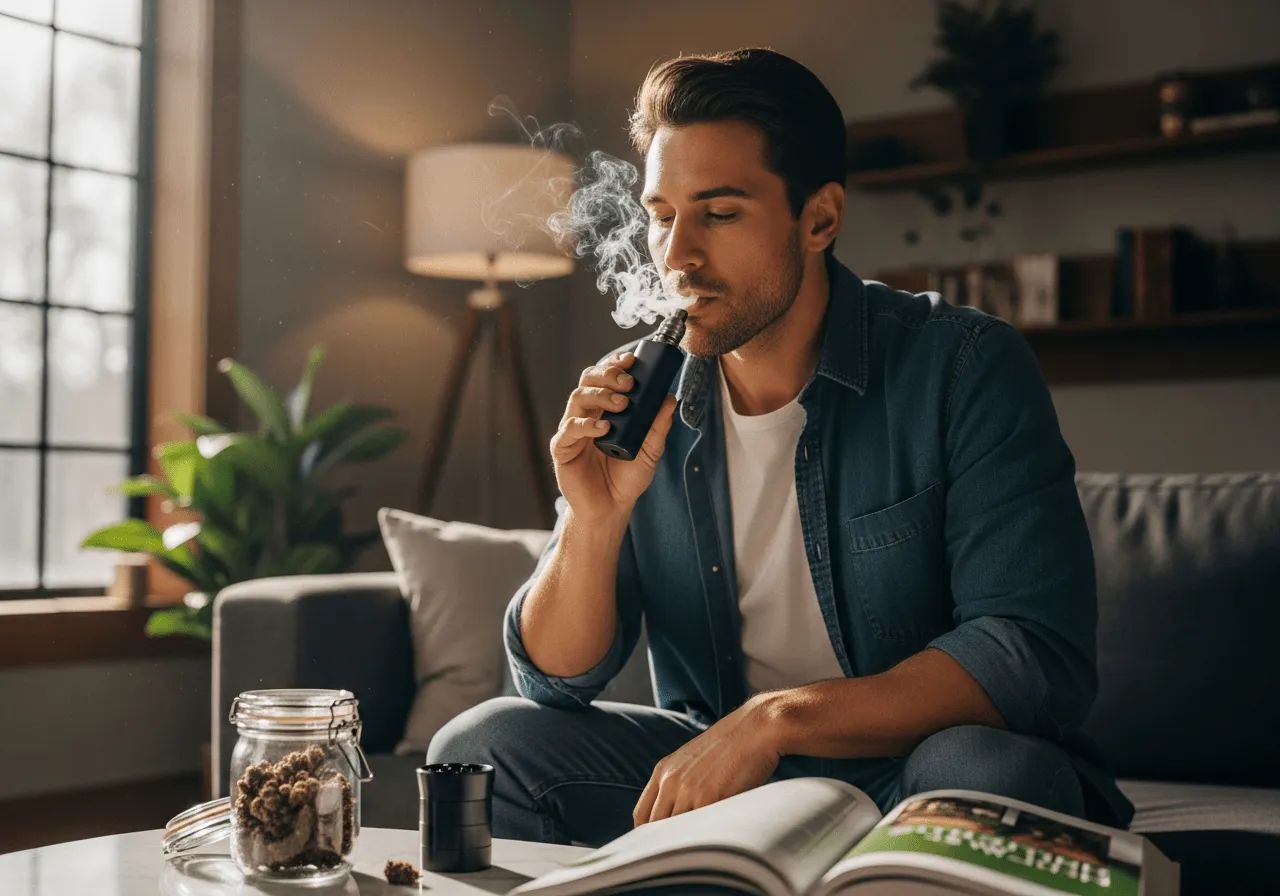

Understanding cannabis consumption methods is one of the most important steps for any medical marijuana patient. Whether you are newly diagnosed with a qualifying condition or are exploring cannabis as a therapeutic option, the way you consume cannabis shapes everything from how fast relief arrives to how long it lasts and how strong it feels. From traditional smoking to high-tech vaping devices, from slow-digesting edibles to fast-acting tinctures, cannabis consumption methods have expanded dramatically alongside growing medical acceptance. This guide covers every major method in detail, explains the science behind each one, and walks you through the state-by-state process of obtaining your medical marijuana card legally and efficiently.
Research published in IJERPH (2024) found meaningful associations between specific cannabis consumption methods and how users perceive risk, a finding that has major implications for medical cannabis education and patient safety. Similarly, a narrative review published in the Journal of Addictive Diseases (2024) examined the rise of edibles and concentrates alongside traditional flower, noting that novel forms are now widely available and increasingly used.
Why Cannabis Consumption Methods Matter for Medical Patients
The method you choose directly affects bioavailability, the percentage of cannabinoids that actually enter your bloodstream and reach therapeutic targets. It also determines onset time, peak effect, duration, and the intensity of the experience. For medical marijuana patients managing chronic pain, anxiety, PTSD, or cancer-related symptoms, choosing the wrong method can mean delayed relief or an unexpectedly strong effect.
According to data from a nationally representative study, approximately 80% of adult cannabis users report smoking as their primary method, followed by edibles at around 51% and vaping at 40%. However, multimodal use, combining two or more methods, is increasingly common and associated with more frequent use patterns.
Cannabis Consumption Methods: A Detailed Guide
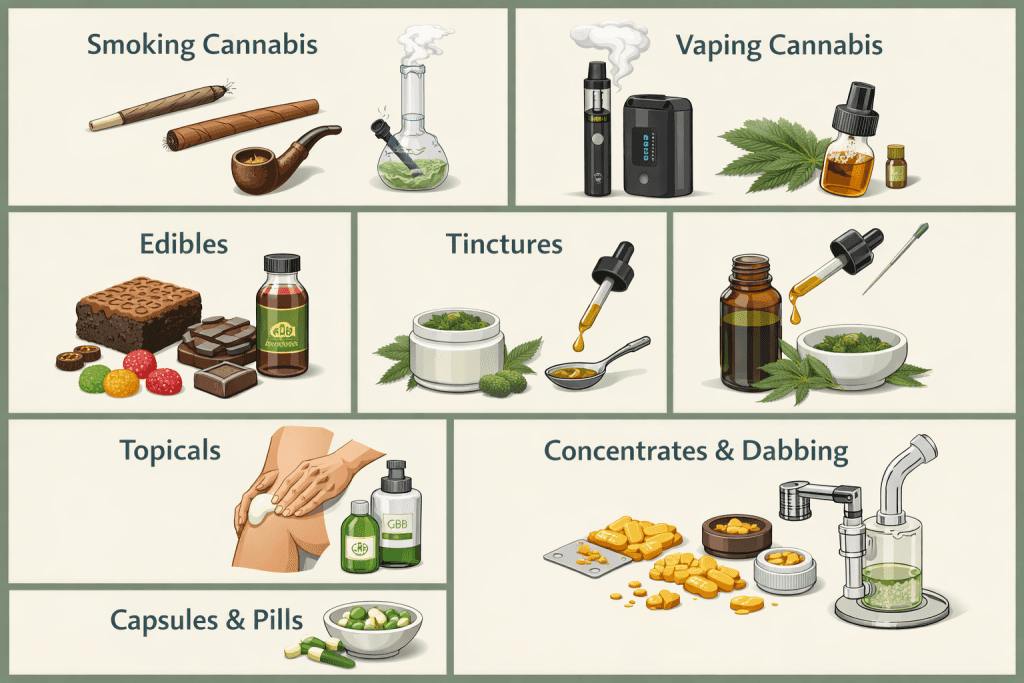
| Method | How It Works | Onset Time | Duration | Key Benefits | Risks / Notes | Best For |
|---|---|---|---|---|---|---|
| Smoking Cannabis | Burned flower is inhaled; cannabinoids enter lungs and bloodstream | 2–10 minutes | 2–4 hours | Fast relief, easy to control dose | Produces harmful smoke, linked to bronchitis | Acute pain, nausea, anxiety, appetite loss |
| Vaping Cannabis | Heated below combustion to release vapor | 2–10 minutes | 2–4 hours | Fewer toxins than smoking, no ash | Risk from unregulated cartridges | Fast relief with reduced respiratory harm |
| Edibles | Consumed and processed in liver (THC → stronger form) | 30 min–2 hours | 4–12 hours | Long-lasting, smoke-free | Easy to overconsume due to delay | Chronic pain, sleep, long-term relief |
| Tinctures | Liquid extract absorbed under tongue | 15–45 minutes | 4–8 hours | Precise dosing, discreet | Taste may be an issue for some | Anxiety, chronic pain, controlled dosing |
| Topicals | Applied to skin for local effect | 10–30 minutes | Varies | No psychoactive effects, targeted relief | Limited to localized areas | Muscle pain, arthritis, inflammation |
| Concentrates / Dabbing | Highly potent extracts vaporized and inhaled | Immediate | 2–4 hours | Very strong, fast-acting | High THC (60%+), not for beginners | Severe pain, experienced users |
| Capsules & Pills | Swallowed like medication, digested | 30 min–2 hours | 6–12 hours | Pre-measured, discreet, easy to use | Less flexible dosing | Chronic conditions, clinical use |
1. Smoking Cannabis
Smoking remains the most widely used of all cannabis consumption methods. Dried cannabis flower is ignited and the smoke is inhaled, allowing THC and CBD to pass directly into the lungs and bloodstream. Methods include joints, blunts, pipes, one-hitters, and water pipes (bongs). The onset is rapid, typically 2 to 10 minutes, making it useful for acute symptom relief.
However, combustion releases harmful byproducts including carbon monoxide and carcinogens. Chronic use has been associated with bronchitis and increased respiratory tract infections. The National Institute on Drug Abuse notes that today’s commercially available cannabis can contain THC levels around 21%, significantly higher than the roughly 4% found in samples studied in earlier research cohorts.
Best for: Rapid relief from pain, nausea, anxiety, and appetite loss. Patients with acute symptoms who need near-immediate results.
2. Vaping Cannabis
Vaping is one of the fastest-growing cannabis consumption methods. It works by heating cannabis oil or dry flower to temperatures just below combustion, releasing active cannabinoids and terpenes without producing smoke. Vape devices range from pocket-sized pen vaporizers to tabletop models. A key benefit is the absence of ash and significantly fewer carcinogens compared to smoking.
Studies have noted strong correlations between e-cigarette users and cannabis vaping, with those who already vape nicotine being considerably more likely to vape cannabis as well. Exclusive vaping remains less common at around 3.1% of users, though a large minority incorporates vaping as part of a multi-method approach.
A critical caution: never purchase vape cartridges from unregulated or street sources. Black-market vape products have been linked to serious lung injuries. Always use lab-tested, dispensary-sourced products.
Best for: Patients seeking fast relief similar to smoking without respiratory risks from combustion.
3. Edibles
Edibles represent a smoke-free cannabis consumption method that has grown enormously in popularity. Cannabis-infused foods and beverages, including gummies, chocolates, baked goods, capsules, and drinks, deliver cannabinoids through the digestive system. Once metabolized by the liver, THC converts to 11-hydroxy-THC, a more potent form that produces longer-lasting and often more intense effects.
Onset ranges from 30 minutes to 2 hours, depending on the individual’s metabolism, body weight, and whether they have eaten recently. Effects can last between 4 and 12 hours. The delayed onset is the most common reason for accidental overconsumption. New patients are strongly advised to start with a very low dose, typically 2.5 to 5 mg of THC, and wait the full 2 hours before taking more.
Best for: Chronic pain, sleep disorders, cancer symptom management, and patients who require sustained relief over many hours.
4. Tinctures
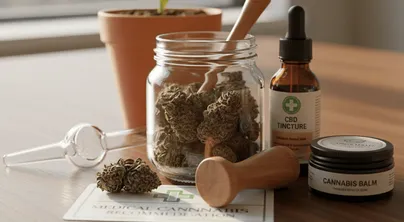
Tinctures are alcohol- or oil-based cannabis extracts and represent one of the most precise cannabis consumption methods available. Administered sublingually (under the tongue), they absorb directly into the bloodstream via the mucous membranes, bypassing the digestive system. Onset typically occurs within 15 to 45 minutes, faster than edibles but slower than inhalation.
Tinctures allow for extremely accurate dosing, a single drop at a time, using a process called titration. They are discreet, flavorless options are available, and they can also be added to food or beverages, though this slows absorption to edible-like timing. They are widely recommended for first-time patients and those who need consistent, controllable dosing.
Best for: Anxiety, chronic pain, sleep issues, inflammatory bowel disorders, and patients who want precise dose control without inhalation.
5. Topicals
Topical cannabis consumption methods include creams, balms, salves, patches, and oils applied directly to the skin. Cannabinoids in topicals interact with local cannabinoid receptors in the skin and underlying tissue, providing localized relief without entering the bloodstream. This means no psychoactive high. They are an excellent option for patients who want therapeutic benefits for joint pain, muscle soreness, arthritis, or skin conditions without any impairment.
Transdermal patches differ from standard topicals in that they are designed to deliver cannabinoids systemically through the skin over time, similar to nicotine patches, and can produce mild systemic effects.
Best for: Localized pain, inflammation, arthritis, muscle soreness, and patients who cannot or do not want to experience any psychoactive effects.
6. Concentrates and Dabbing
Concentrates are highly potent cannabis extracts available in forms such as wax, shatter, rosin, and oil. Dabbing involves vaporizing these concentrates on a heated surface and inhaling the resulting vapor. Concentrates can contain 60% or more THC, making them significantly more potent than flower. Onset is near-immediate, and effects are intense.
This method is generally recommended only for experienced cannabis users with high tolerance. For medical patients, dabbing can be appropriate for severe pain or treatment-resistant conditions where standard doses have not provided relief. Caution and careful dosing are essential.
Best for: Experienced patients with severe, treatment-resistant symptoms requiring high-potency, fast-acting relief.
7. Capsules and Pills
Cannabis capsules and pills function similarly to edibles in terms of onset and duration, as they pass through the digestive system. They offer a familiar format for patients used to traditional pharmaceutical medications. They are pre-measured, discreet, and convenient, though dose adjustment can be less flexible than tinctures. This is one of the cannabis consumption methods preferred by patients who want a clinical, pharmacy-like experience.
Best for: Patients who prefer a traditional medication format for chronic conditions including pain, anxiety, and sleep disorders.
Ready to Access Medical Cannabis Legally? Visit LeafyRX.org to connect with a licensed doctor and get your medical marijuana card online in minutes. Lowest cost in the U.S. with a money-back guarantee if not approved.
Choosing the Right Cannabis Consumption Method for Your Condition
A qualitative study published in Qualitative Health Research (SAGE Journals) explored patient experiences with medical cannabis and found that individuals actively experiment with different methods before settling on what works best for their specific condition. The choice of method is rarely permanent and often changes with shifting symptoms, lifestyle, and access.
Here is a quick reference guide for matching conditions to cannabis consumption methods:
-
Acute pain or nausea: Smoking or vaping for fast onset
-
Chronic pain or sleep disorders: Edibles, tinctures, or capsules for sustained relief
-
Anxiety or PTSD: Tinctures or low-dose vaping for controllable, calibrated dosing
-
Localized joint or muscle pain: Topicals for targeted, non-psychoactive relief
-
Cancer-related symptoms: A combination of methods, often under physician supervision
-
Severe, treatment-resistant conditions: Concentrates under medical guidance
Understanding Cannabis Potency and Dosing Across Methods
One of the most critical aspects of any cannabis consumption method is understanding how potency translates into actual effect. Modern commercially available cannabis products have dramatically higher THC concentrations than products studied in older research. This means that dosing advice that was accurate a decade ago may significantly underestimate the strength of today’s products.
The principle of starting low and going slow applies universally across all cannabis consumption methods. This is especially important with edibles and concentrates, where the gap between a therapeutic dose and an overwhelming experience can be narrow. Medical patients should always work with a licensed physician to establish appropriate dosing protocols for their specific condition.
Medical Marijuana Card Process: State-by-State Guide
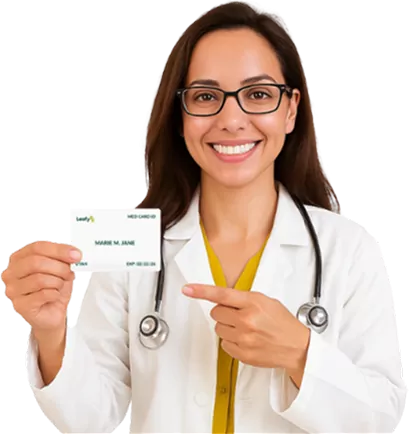
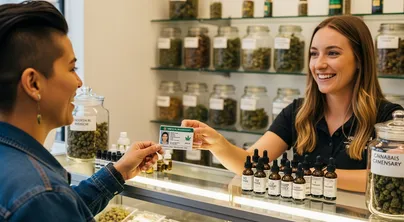
Accessing medical cannabis legally requires a valid medical marijuana card in most U.S. states. The process varies considerably by state, but the core steps are similar. Platforms like LeafyRX have made this process dramatically simpler by offering online consultations with licensed physicians across multiple states. Below is a detailed overview of how the process works in key medical cannabis states.
How the General Medical Marijuana Card Process Works
Most states follow a similar three-step process:
-
Consult with a licensed physician who can certify that you have a qualifying condition recognized by your state program.
-
Register with your state’s medical marijuana program and submit your physician’s certification along with any required documentation and fees.
-
Receive your state-issued medical marijuana card, either by email, as a downloadable card, or by mail.
State-by-State Medical Marijuana Card Requirements
For a complete and up-to-date breakdown of requirements in every state that currently has a medical marijuana program, visit the LeafyRX Online Medical Marijuana Card State Guide.
Florida
Florida operates one of the largest medical marijuana programs in the country. Patients must have a qualifying condition such as cancer, epilepsy, PTSD, chronic pain, multiple sclerosis, Crohn’s disease, or other debilitating conditions. A physician who is registered with the state’s Medical Marijuana Use Registry must certify the patient. After certification, patients register with the Florida Department of Health and pay a state fee. Cards are typically issued within 10 business days.
California
California does not require a state-issued ID card to purchase medical cannabis, but having one provides additional legal protections and tax benefits. After consulting with a licensed California physician online, patients receive a signed recommendation letter that can be used immediately at any licensed dispensary.
New York
New York’s medical marijuana program has been significantly expanded in recent years. Patients must obtain a certification from a licensed practitioner registered with the New York State Department of Health. The state offers online registration, and certified patients receive a registry ID that allows them to purchase from licensed dispensaries.
Pennsylvania
Pennsylvania requires patients to register with the state’s patient and caregiver registry, obtain a physician certification from a registered practitioner, and pay a $50 fee. Approved patients receive a medical marijuana ID card issued by the Pennsylvania Department of Health. The state permits a wide range of qualifying conditions including anxiety disorders and autism.
Texas
Texas has a limited medical cannabis program called the Compassionate Use Program (CUP). Qualifying conditions include epilepsy, PTSD, cancer, and a few other terminal or chronic conditions. Patients must be certified by a licensed Texas physician registered with the Compassionate Use Registry. The program is more restrictive than most states and only permits low-THC cannabis products.
Ohio
Ohio patients must have one of 26 qualifying conditions and obtain a recommendation from a certified physician. After receiving the recommendation, patients register with the Ohio Medical Marijuana Control Program online and pay a $50 card fee. Cards are valid for one year and must be renewed annually.
Michigan
Michigan allows both medical and recreational cannabis, but medical cardholders receive tax advantages and higher possession limits. Patients register with the Michigan Medical Marijuana Program, obtain physician certification, and pay a state registration fee. The card allows purchase from medical dispensaries statewide.
Colorado
Colorado was one of the first states to legalize medical marijuana. Patients with qualifying conditions obtain a physician’s certification, which is then submitted electronically to the state registry. Approval typically arrives within one to three business days, and patients receive a downloadable card.
Illinois
Illinois requires a physician certification and registration with the Illinois Medical Cannabis Program. Patients pay a state fee and submit identification along with the certification. The program includes a temporary use authorization that allows patients to purchase cannabis while waiting for their card.
Arizona
Arizona patients must have a qualifying condition certified by an Arizona-licensed physician. The physician completes the official Medical Physician Certification Form. The patient then applies with the Arizona Medical Program and receives a card by mail upon approval.
Get Your Medical Marijuana Card From Home Today. LeafyRX connects patients with licensed doctors in all medical marijuana states. Book your online consultation in minutes via leafyrx. Approved or your money back.
Benefits of Having a Medical Marijuana Card
Beyond legal access to cannabis, holding a medical marijuana card offers several advantages over recreational purchasing:
-
Legal protection under state law for possession, purchase, and use within program limits.
-
Access to lab-tested, high-quality products from licensed dispensaries with verified cannabinoid content.
-
Tax savings in many states where medical cannabis is exempt from or taxed at a lower rate than recreational cannabis.
-
Medical supervision ensures that your consumption method and dosing are appropriate for your health condition.
-
Higher possession limits in many states compared to recreational users.
-
Access to products with higher THC content or specific formulations not available to recreational buyers in some states.
Safe Use Guidelines Across All Cannabis Consumption Methods
Regardless of which cannabis consumption method you choose, these evidence-based guidelines apply:
-
Start low, go slow: Begin with the smallest effective dose, especially with edibles and tinctures.
-
Know your product: Always verify THC and CBD content on lab test certificates from licensed dispensaries.
-
Avoid mixing methods without guidance: Combining multiple methods simultaneously can make dosing unpredictable.
-
Never drive: Cannabis impairs reaction time and judgment. Do not operate vehicles after use.
-
Consult your doctor: Discuss all consumption methods and doses with your certifying physician, particularly if you have cardiovascular or respiratory conditions.
-
Keep cannabis away from children: Pediatric edible cannabis exposures have led to emergency visits. Store all products in locked, childproof containers.
The Future of Cannabis Consumption Methods
The landscape of cannabis consumption is evolving rapidly alongside expanding legalization and ongoing research. Smoke-free, discreet, and technologically sophisticated methods such as vaping, nano-emulsified edibles, and transdermal delivery systems are growing in popularity. Nano-emulsification technology, in particular, is being applied to edibles and beverages to dramatically reduce onset time, potentially bringing it from 90 minutes down to under 15 minutes.
At the same time, education remains critical. As novel and high-potency products become more accessible, understanding the specific risks and benefits of each cannabis consumption method has never been more important. Working with licensed medical professionals ensures that patients use these methods safely and effectively.



 Ask ChatGPT
  Ask Claude
  Ask Perplexity