

Most people searching for an anxiety med that actually works without a long list of side effects eventually come across two ideas: standard prescription medications and plant medicine. A growing number of patients are now exploring a third path: microdosing plant medicine, specifically cannabis, at doses so small they produce no real mind-altering effect but may still support the nervous system in meaningful ways.
A study published in May 2026 in the American Journal of Preventive Medicine found that about 9.4% of U.S. adults, or about 24.1 million people, have microdosed cannabis in their lifetime. Cannabis microdosing was almost twice as common as psychedelic microdosing, and the most frequently reported reason was medical: managing anxiety, depression, or chronic pain.
This guide covers what microdosing actually means, what the most current research says about its effects on anxiety, how it compares to standard best anxiety meds and stress pills, who it may be right for, and how LeafyRX helps patients in qualifying states access plant medicine legally through a licensed doctor.
This is not a guide telling you to throw away your prescriptions. It is an honest look at the research on microdosing as a extra or other option tool for anxiety treatment, written for informed adults making their own health decisions.
What Is Microdosing Plant Medicine for Anxiety?
Microdosing means taking a dose so small it does not produce strong mind-altering effects. For cannabis, that usually means 1 to 5 mg of THC, which is roughly one-fifth to one-twentieth of what most adults consider a standard standard dose. The goal is not to feel high. The goal is subtle nervous system support: reduced tension, softer emotional responses, and less rumination, without impairing your ability to think, work, or function normally.
The endocannabinoid system (ECS) plays a key role in controlling mood, fear response, and stress. According to NIH research on cannabis compounds and the endocannabinoid system, THC interacts with CB1 receptors concentrated in areas of the brain involved in emotional processing, including the amygdala, which controls the fear and threat response that underlies much of what we experience as anxiety.
At higher doses, THC can worsen anxiety, mainly in people who are THC-sensitive. Research has shown that doses between 7.5 and 12.5 mg can increase negative mood and perceived threat during stressful situations. But at sub-mind-altering doses of 1 to 5 mg, the research paints a different picture: control of serotonin and dopamine pathways, softening of the threat response, and measurable reductions in tension without impairment.
CBD (CBD), the non-mind-altering cannabinoid, also plays a role in anxiety treatment and is often included in microdosing approaches. According to NIH research on CBD and anxiety disorders, CBD interacts with serotonin pathways and has shown anti-anxiety effects in both animal studies and human clinical trials, including for social anxiety disorder and PTSD.
What the 2026 Research Actually Says About Anxiety Med Support
The American Journal of Preventive Medicine study published in May 2026 by researchers at UC San Diego is one of the most comprehensive looks at microdosing patterns in the U.S. to date. The key findings for anxiety patients:
- Cannabis was the most commonly microdosed substance, with about 24.1 million Americans reporting lifetime cannabis microdosing.
- Anxiety was one of the top three reasons people reported microdosing cannabis, alongside depression and chronic pain.
- People who microdosed reported medical motivations as their primary driver, not standard ones.
- Microdosers as a group reported lower levels of anxiety and depression compared to non-microdosers in survey-based data, though causality has not been established.
A 2021 study published in Scientific Reports found that people who microdose psychedelics (a related but different category) reported a lot lower levels of anxiety and depression compared to non-microdosers. The researchers noted that frequent cannabis use was also common among microdosers, often for medical reasons including anxiety reduction.
Research from Vanderbilt University has documented CB1 receptors throughout the amygdala, a region of the brain directly involved in processing fear and anxiety responses. Small doses of THC appear to regulate these receptors in ways that reduce the intensity of threat signals without fully suppressing them, which is distinct from the way it works of most prescription anxiety medications.
It is important to be honest about where the research stands. Most of the current evidence comes from survey-based studies and self-reported surveys, not double-blind clinical studies. The NIDA cannabis research overview notes that while the potential is significant, clinical evidence gaps remain. What patients report anecdotally and what controlled studies can confirm are still catching up to each other.
Anxiety Med Options: How Plant Medicine Compares
If you are researching the best anxiety meds, you are probably already familiar with the standard options. Here is a plain-language comparison of how microdosed plant medicine fits into the broader landscape of anxiety treatment.
Anxiety Medication Comparison: Standard vs. Plant Medicine
| Option | How It Works | Key Considerations |
| SSRIs (e.g., sertraline, escitalopram) | Increases serotonin availability | Takes 4-6 weeks to work, common side effects include weight changes and sexual dysfunction |
| SNRIs (e.g., venlafaxine) | Increases serotonin and norepinephrine | Similar profile to SSRIs, stopping can be difficult |
| Benzodiazepines (e.g., lorazepam) | Enhances GABA, immediate calming effect | High dependence risk, not for long-term use, cognitive dulling |
| Buspirone | Acts on serotonin and dopamine receptors | Lower side effect profile, takes weeks to work, less effective for acute episodes |
| Beta-blockers (e.g., propranolol) | Blocks adrenaline, reduces physical symptoms | Good for situational anxiety, does not address psychological root |
| CBD (plant medicine) | Acts on serotonin pathways, no mind-altering effect | No dependence risk, minimal side effects, limited clinical trial data |
| Microdosed THC (plant medicine) | Regulates CB1 receptors, ECS support | Requires medical card in most states, dose-sensitive, still limited RCT data |
This comparison is not meant to suggest that plant medicine replaces prescription anxiety med options. For many patients, standard medications are essential and work well. What plant medicine microdosing offers is a potential complement or other option for patients who have not found adequate relief, who experience strong side effects from standard medications, or who prefer a more natural approach to nervous system support.
The FDA consumer information on cannabis products notes that while cannabis-derived compounds show medical promise, most are not yet FDA-approved for anxiety. Epidiolex (high-dose CBD) is the exception, approved for specific seizure disorders. For most patients, accessing medical cannabis for anxiety requires a state medical marijuana program and a licensed doctor’s recommendation.
Stress Pills vs. Plant Medicine: Understanding the Difference
The term stress pills is how many people describe the category of medications they take as needed for anxiety or tension. This includes benzodiazepines (like lorazepam or clonazepam), beta-blockers (like propranolol), and over-the-counter supplements like magnesium, L-theanine, or ashwagandha. Understanding how microdosed plant medicine compares to each category helps patients make informed decisions.
Benzodiazepines: The Most Common Stress Pills
Benzodiazepines are fast-acting and effective for acute anxiety. They work by enhancing the effect of GABA, a calming brain chemical. But they carry significant risks: physical dependence, cognitive dulling, tolerance buildup, and withdrawal symptoms that can be severe. According to NIH research on benzodiazepine use, long-term benzo use is associated with thinking problems and is usually not recommended as a first-line treatment for chronic anxiety.
Microdosed cannabis does not carry dependence risk in the same way. Cannabis use disorder is a real concern at higher doses used regularly, but at microdose levels of 1 to 5 mg, dependence risk is considered low. The way it works is also different: rather than artificially suppressing the nervous system through GABA enhancement, microdosing works with the endocannabinoid system to regulate how the brain processes stress signals.
Beta-Blockers: Situational Stress Pills
Beta-blockers like propranolol are popular for situational anxiety, public speaking, or performance situations. They block adrenaline at the receptor level, reducing physical symptoms like racing heart and trembling hands. They do not address the psychological component of anxiety and have no effect on rumination or cognitive anxiety patterns.
Some microdosing patients report that low-dose cannabis provides a similar physical calming effect with the added benefit of softening the cognitive anxiety loop, the repetitive worried thinking that beta-blockers do not address.
Over-the-Counter Supplements as Stress Pills
Many people use OTC supplements like magnesium glycinate, L-theanine, or ashwagandha as stress pills before turning to prescription medications. These have a reasonable body of evidence for mild anxiety and are usually well-tolerated. Some patients use them alongside microdosed plant medicine as part of a layered approach to anxiety treatment.
The difference is that medical cannabis, even microdosed, requires a doctor’s evaluation and a state-issued medical card. This requirement exists for good reason: cannabis interacts with multiple body systems and medications, and personized guidance from a licensed doctor ensures the approach is appropriate for your specific health situation.
How to Microdose Plant Medicine for Anxiety: Practical Guidance
If you are considering microdosed plant medicine as an anxiety med approach and have access to a medical marijuana program in your state, here is how most experienced practitioners and patients approach it.
Starting Dose: Lower Than You Think
A microdose for anxiety is typically 1 to 2.5 mg of THC, often combined with a CBD-rich product. This is much lower than what most dispensary staff will suggest if you ask for a standard dose. According to research on cannabis routes of use and absorption, sublingual tinctures provide the most predictable onset and dosing control for medical patients, making them the preferred format for microdosing.
Start with 1 mg and hold for one week before adjusting upward if needed. Many patients find that 2.5 to 5 mg is sufficient for noticeable anxiety reduction without any mind-altering effect. Going above 5 mg begins to approach territory where anxiety can worsen for sensitive persons, mainly those with a history of anxiety disorders.
Timing and Format
- Tinctures (sublingual): Best for predictable microdosing. Hold 1 to 2 ml under the tongue for 60 seconds before swallowing. Onset in 15 to 45 minutes. Duration 4 to 8 hours. Good for morning or daytime anxiety treatment.
- Edibles (low dose): 2.5 mg gummies are widely available at licensed dispensaries. Onset is slower (30 to 90 minutes) but duration is longer (6 to 8 hours). Better for patients who need sustained coverage through the day. The liver conversion into 11-hydroxy-THC means edibles can feel stronger at the same dose, so stay at 2.5 mg until you know your response.
- Vapes (controlled draws): One short draw and wait 15 minutes. This is the fastest format but also the hardest to control precisely for microdosing purposes. Better for acute anxiety episodes than for regular scheduled dosing.
Keeping a Microdosing Log
The single most useful practice for microdosing is keeping a simple daily log. Note the product, dose, format, time taken, and your anxiety level at 30 minutes, 1 hour, and 3 hours using a 1 to 10 scale. After two to three weeks, you will have clear data on what works for your body, what format and dose produces the best results, and whether the approach is worth continuing.
This kind of structured self-monitoring is also useful data to share with your medical cannabis doctor at your next visit. The licensed doctors at LeafyRX can review your log and help you adjust your approach based on what you are observing.
What to Look for in an Anxiety Med: Plant Medicine vs. Prescription Checklist
Whether you are comparing best anxiety meds for a first-time decision or thinking about complementing an existing prescription with plant medicine, these are the questions worth asking about any anxiety treatment approach.
Anxiety Treatment Evaluation Checklist

- Onset speed: How quickly does it work? Benzodiazepines and vapes are fastest. SSRIs and buspirone take weeks. Sublingual tinctures take 15 to 45 minutes.
- Duration: How long does it last? Benzodiazepines last 4 to 8 hours. SSRIs work continuously. A microdosed tincture lasts 4 to 8 hours. An edible lasts 6 to 8 hours.
- Side effect profile: Does it impair cognition? Cause weight changes? Affect sleep or libido? Microdosed plant medicine at 1 to 5 mg has a low reported side effect profile in most patients.
- Dependence risk: Benzodiazepines carry high dependence risk. SSRIs have stopping syndrome. Microdosed cannabis at low doses has a lower but non-zero dependence profile.
- Evidence base: Standard best anxiety meds have decades of clinical trial data. Plant medicine has growing survey-based data and some clinical trials, but RCT evidence is still limited.
- Access: Prescription anxiety meds require a doctor and a pharmacy. Medical cannabis requires a state-approved doctor recommendation and a dispensary in a legal state.
No single answer fits every patient. The right anxiety med is the one that works for your specific anxiety pattern, fits your lifestyle, and is managed under appropriate medical supervision. The licensed doctors at LeafyRX
Who Should Consider Microdosed Plant Medicine as an Anxiety Med Option?
Microdosed plant medicine is not for everyone as an anxiety med approach. Here is a realistic picture of who is most likely to benefit and who should proceed with caution or avoid it.
Good Candidates for Microdosed Plant Medicine
- Adults with mild to moderate anxiety who have not found adequate relief from OTC options and want to try a low-risk other option before escalating to prescription medication.
- Patients who have experienced strong side effects from standard best anxiety meds, including SSRIs, SNRIs, or benzodiazepines, and are looking for a different way it works of action.
- People with anxiety connected to chronic pain or sleep issues where plant medicine may address multiple symptoms simultaneously through the endocannabinoid system.
- Adults in states with active medical marijuana programs who can access licensed dispensary products with verified potency and consistent dosing.
Who Should Proceed With Caution
- People with a personal or family history of psychosis should approach any form of cannabis with caution. THC can trigger or worsen psychotic symptoms in at higher risk persons, even at low doses.
- Patients with severe anxiety disorders including panic disorder with frequent attacks should work closely with a doctor. Cannabis can help some people with panic and worsen it in others, and having medical guidance is essential.
- People taking other medications should check for interactions. Cannabis, even in small doses, can interact with certain medications including blood thinners, sedatives, and antidepressants. Your LeafyRX doctor will review your current medications during your consultation.
Those under 25 should approach cannabis very cautiously. The developing brain is more sensitive to cannabinoid receptor control, and the long-term effects of regular cannabis use during brain development are not yet fully understood.
How LeafyRX Makes Medical Cannabis Access Simple
If you live in a state with a medical marijuana program and have a qualifying condition like anxiety, PTSD, or a related disorder, you can access plant medicine legally at licensed dispensaries. The first step is getting a medical marijuana card from a licensed doctor.
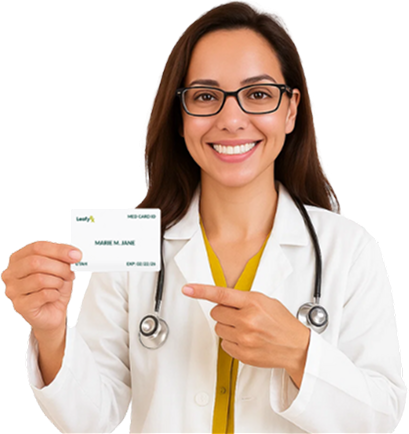
LeafyRX connects you with a licensed doctor online in minutes. You answer a few questions about your health, schedule a brief telehealth consultation, and if you qualify, you receive your medical marijuana recommendation the same day. Over 100,000 patients have been approved through the platform, with a 4.5-star rating from more than 1,000 reviews.
With your LeafyRX recommendation, you can visit a licensed dispensary in your state, access verified medical-grade products with accurate potency information, and work with dispensary staff to find the right format and dose for your anxiety treatment goals. Start at LeafyRX to check your eligibility.
For returning patients or those ready to get started, visit leafyrx to schedule your consultation. The process takes about 15 minutes and your recommendation is delivered the same day if you qualify.
Conclusion
The research on microdosing plant medicine for anxiety is genuinely promising, even if it is not yet at the level of clinical certainty that decades of pharmaceutical research provide. A May 2026 study found that about 24.1 million Americans have microdosed cannabis, with anxiety as one of the top medical reasons. The endocannabinoid system plays a real role in controlling how the brain processes fear and stress, and small doses of THC appear to engage that system in a different way than most standard anxiety med options.
That does not make plant medicine the right anxiety med choice for everyone. The best anxiety meds are always person. Standard medications are essential for many patients. What plant medicine microdosing offers is an another tool, mainly for patients who have not found adequate relief, who experience strong side effects from prescription options, or who want a more natural approach to supporting their nervous system through stress.
Whatever approach you choose, medical guidance matters. Whether you are comparing stress pills, evaluating prescription options, or exploring plant medicine, working with a licensed doctor ensures your approach is safe, appropriate, and tailored to your actual health situation. If you are in a qualifying state, LeafyRX makes that access simple, affordable, and same-day.
Frequently Asked Questions
Is microdosed cannabis a legitimate anxiety med option?
It depends on the patient and the situation. A May 2026 study from UC San Diego found that about 24.1 million Americans have microdosed cannabis, with anxiety being one of the top reported reasons. Research supports that sub-mind-altering doses of 1 to 5 mg THC can regulate the endocannabinoid system in ways that reduce anxiety responses. But the clinical trial evidence base is still growing, and plant medicine is not an appropriate anxiety med replacement for everyone without medical guidance.
What are the best anxiety meds for people who want to avoid prescription drugs?
Among non-prescription options, CBD has the strongest research backing for anxiety. Magnesium glycinate, L-theanine, and ashwagandha have reasonable evidence for mild anxiety. Microdosed THC-dominant cannabis (1 to 5 mg) is a growing area of interest with positive survey-based data. None of these are substitutes for professional evaluation, and the best anxiety meds are always determined with input from a doctor who knows your full health picture.
How do stress pills compare to plant medicine for anxiety?
Stress pills like benzodiazepines work faster and have more clinical trial backing than plant medicine, but carry significant dependence and cognitive side effects. Beta-blockers address physical symptoms but not cognitive anxiety. Microdosed plant medicine offers a different way it works through the endocannabinoid system with a lower side effect profile at low doses, but requires access to a medical marijuana program and a licensed doctor’s recommendation.
What is the right microdose of cannabis for anxiety?
Most practitioners and experienced patients recommend starting with 1 to 2.5 mg of THC, often combined with a CBD-rich product. Hold this dose for one week before adjusting upward. A sublingual tincture is the best format for precise microdosing because the dose is measured by dropper and onset is predictable. Avoid starting at doses above 5 mg, as THC can worsen anxiety at higher doses in sensitive persons.
Does CBD alone work as an anxiety med?
CBD (CBD) has shown genuine anti-anxiety effects in both animal studies and human clinical trials, including for social anxiety disorder and PTSD. Unlike THC, CBD is non-mind-altering and carries no dependence risk. It is available in many states without a medical card. Research published in NIH suggests CBD acts on serotonin pathways similarly to some standard best anxiety meds, though its effects are usually milder.
Can I use plant medicine for anxiety if I am already taking prescription anxiety medication?
This requires medical guidance. Cannabis can interact with certain medications, including some antidepressants and sedatives, and adding cannabis without doctor oversight can alter how your prescription medications work. The licensed doctors at LeafyRX review your current medications during your consultation to evaluate any potential interactions before issuing a recommendation.
How do I get a medical cannabis card for anxiety through LeafyRX?
Visit LeafyRX.org and schedule a telehealth consultation with a licensed doctor. If anxiety or a related condition qualifies under your state’s medical marijuana program, you receive a recommendation the same day. The entire process takes about 15 minutes and costs less than most co-pays for an in-person doctor visit. LeafyRX has approved over 100,000 patients with a money-back guarantee if you do not qualify.