
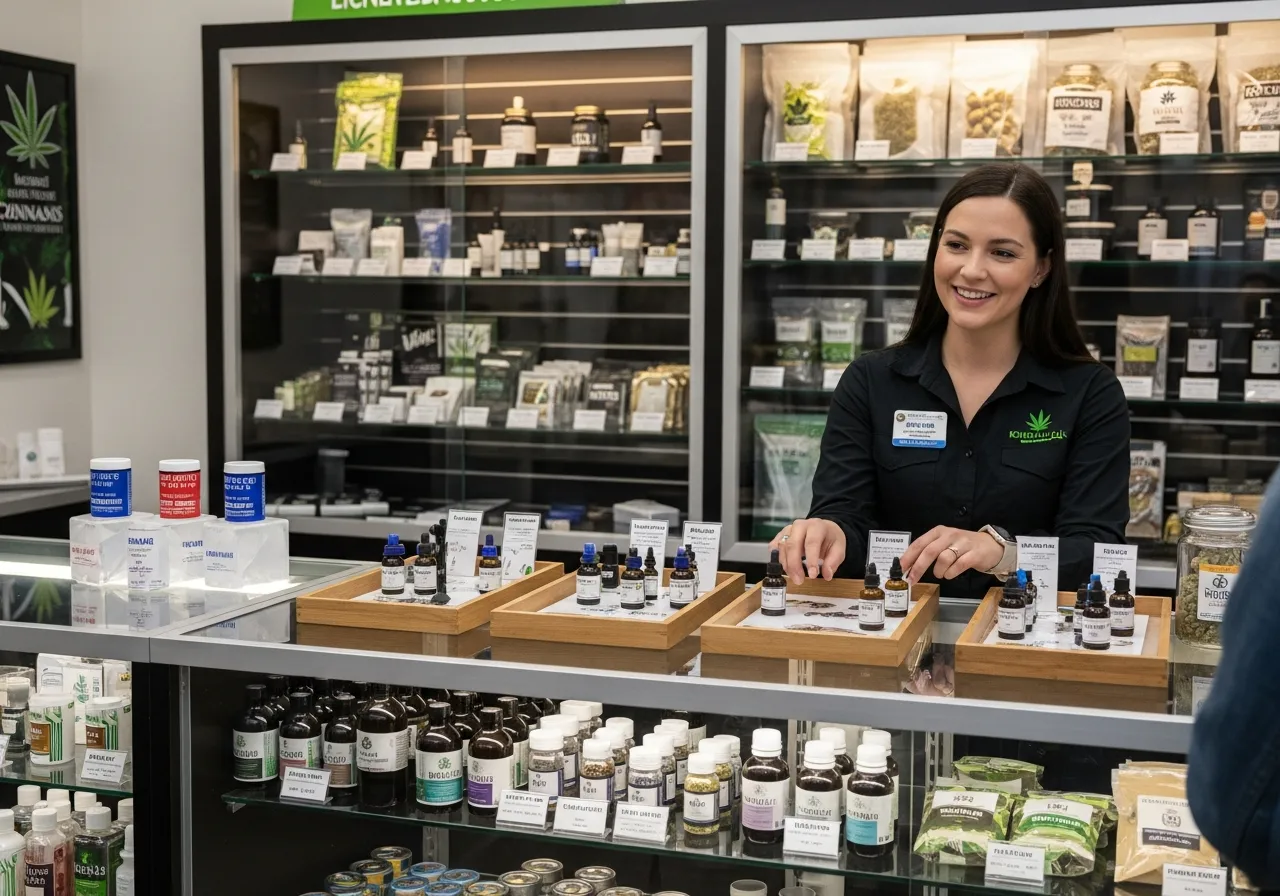

If you are just starting your journey with cannabis medicine, you probably have one pressing question: what is the best medical marijuana option for someone like me? It is a fair question, and the answer depends on your health condition, your state’s laws, and what you hope to achieve with treatment. This complete 2026 guide covers everything a beginner needs to know, from understanding the best medical marijuana guide basics and how the plant works in your body, to navigating state-by-state laws, understanding best medical marijuana cost, reading best medical marijuana reviews, and using the most practical best medical marijuana tips to get started safely and legally in 2026.
Medical cannabis has come a long way from its early legal battles. California became the first state to effectively legalize it in 1996 through Proposition 215, and today the landscape has expanded dramatically. The federal government still classifies cannabis as a Schedule I substance under the Controlled Substances Act of 1970, but a December 2025 Executive Order from President Trump directed the DEA and HHS to expedite rescheduling toward Schedule III, signaling a major shift in national policy. At the state level, the options for patients have never been broader or more accessible.
This guide uses data compiled from the Wikipedia overview of medical cannabis in the United States, the comprehensive state-by-state breakdown published by The Marijuana Herald in July 2025, clinical research from the Journal of Lancaster General Hospital, and legal status updates from DISA’s marijuana legality map updated in February 2026. Let this be your definitive resource for making informed, safe decisions about medical cannabis in 2026.
What Is the Best Medical Marijuana and How Does It Work?
To understand the best medical marijuana, you first need to understand the science. Cannabis contains nearly 300 distinct chemical compounds called cannabinoids. The two most studied are delta-9-tetrahydrocannabinol (THC), which produces the psychoactive “high,” and cannabidiol (CBD), which is non-intoxicating and anti-inflammatory. These compounds interact with the human body through a network called the endocannabinoid system (ECS), discovered in the 1980s.
The ECS consists of two primary receptors: CB1, found mainly in the brain and central nervous system, and CB2, located in non-CNS tissues including the immune system, joints, and skin. Endogenous cannabinoids produced naturally in the body activate these receptors to help maintain homeostasis, particularly regulating stress, sleep, inflammation, and pain. When you consume medical cannabis, the plant-derived cannabinoids mimic or modulate these natural processes.
According to clinical research published in the Journal of Lancaster General Hospital, upregulation of the endocannabinoid system may reduce symptoms in multiple sclerosis, certain types of pain, cancer, PTSD, and some intestinal and cardiovascular diseases. The same research notes that systemic bioavailability of inhaled THC is 10 to 35 percent, with effects peaking within 3 to 10 minutes, making inhalation one of the fastest delivery methods for acute symptom relief. Oral forms, including edibles and capsules, peak in 45 to 120 minutes due to first-pass hepatic metabolism.
Available Forms of Medical Cannabis
The best medical marijuana for any individual depends heavily on the consumption method. Here are the primary forms available in most licensed state programs:
-
Flower (dried cannabis): Smoked or vaporized. Fastest onset (3-10 minutes). Best for acute pain, nausea, or anxiety.
-
Vaporizers: Heats cannabis without combustion, releasing fewer harmful chemicals than smoking. Good for lung-sensitive patients.
-
Oils and tinctures: Placed under the tongue. Onset in 15 to 45 minutes. Precise dosing. Popular with beginners.
-
Capsules and edibles: Swallowed and digested. Delayed onset (45-120 minutes) but longer-lasting effects. Good for chronic conditions.
-
Topicals: Creams and patches applied to skin. Do not produce a high. Ideal for localized pain, arthritis, and inflammation.
-
Concentrates: Highly potent extracts including wax, shatter, and distillate. Not recommended for beginners due to high THC content.
The FDA has approved two synthetic cannabinoid medications: Dronabinol (Marinol), approved in 1985 for chemotherapy-related nausea and in 1992 for HIV/AIDS appetite stimulation, and Nabilone (Cesamet), re-approved in 2007 as an anti-emetic. These represent the pharmaceutical end of the best medical marijuana spectrum and are available by standard prescription.
Best Medical Marijuana Guide: Qualifying Conditions by State
One of the most important parts of this best medical marijuana guide is understanding which medical conditions qualify you for a state program. Qualifying conditions vary significantly from state to state. Some states like California and Oklahoma have very broad programs where physicians can recommend cannabis for “any condition the physician believes cannabis may benefit.” Others, like Iowa or Texas, limit access to a narrow list of severe conditions and allow only low-THC products.
According to the 2017 National Academies of Sciences report on health effects of cannabis and cannabinoids, the strongest clinical evidence supports medical cannabis for chronic pain, chemotherapy-induced nausea and vomiting, and multiple sclerosis spasticity. Evidence for PTSD, epilepsy, Crohn’s disease, and sleep disorders is promising but more limited. States have incorporated these findings to varying degrees when defining their qualifying condition lists.
Common Qualifying Conditions Across States
The following conditions appear in the qualifying lists of the majority of states with comprehensive medical marijuana programs:
-
Chronic or severe pain (the most common qualifying condition nationwide)
-
Cancer (including cancer-related nausea, pain, and wasting syndrome)
-
Epilepsy and seizure disorders (often the first condition approved in conservative states)
-
Multiple sclerosis (especially for spasticity and nerve pain)
-
HIV/AIDS and associated cachexia or wasting syndrome
-
PTSD (post-traumatic stress disorder)
-
Crohn’s disease and other severe gastrointestinal conditions
-
ALS (amyotrophic lateral sclerosis)
-
Parkinson’s disease and Huntington’s disease
-
Terminal illness with a life expectancy under six months to one year
States like New York, Michigan, and Illinois allow petitions to add new qualifying conditions, meaning patient advocates and physicians can formally request that a condition be added to the approved list. Delaware, for example, approves additions if the condition is debilitating and marijuana is more likely than not to have therapeutic potential.
Before you apply for your card, it is worth reviewing the specific qualifying conditions in your state. For a broader comparison of medical vs recreational marijuana and how medical patients access different products than recreational users, check out this resource from LeafyRx.
Ready to See If You Qualify?
LeafyRx connects you with licensed doctors in your state who can evaluate your condition and issue your medical marijuana certification in minutes. Over 100,000 patients approved. Approved or your money back.
Start My Free Evaluation at LeafyRx
Best Medical Marijuana Cost: What You Will Pay in 2026
Understanding best medical marijuana cost is essential before you begin the process. The total cost of getting and maintaining a medical marijuana card involves several components: the physician evaluation fee, the state registration fee, and any annual renewal costs. These vary widely depending on where you live.
Physician Evaluation Fees
The physician evaluation is the first step and often the largest single expense. These fees are set by the clinic or telehealth provider, not the state. Traditional in-person clinics typically charge $150 to $300. Online telehealth services like LeafyRx often charge significantly less because overhead is lower, with fees sometimes as low as $49 to $99 depending on the state. The best medical marijuana cost for an evaluation at LeafyRx is among the lowest in the country.
State Registration Fees
After receiving your physician’s certification, most states require you to register with a state health agency and pay a fee to receive your official patient ID card. Here is a general range:
-
Low cost states (under $50): Oregon ($200 was reduced significantly), New Mexico ($0 registration), Colorado ($29.50), Montana, Maine
-
Moderate cost states ($50-$150): California ($100), Michigan ($40), Arizona ($150), Massachusetts ($50)
-
Higher cost states ($150+): New York (varies by county), Pennsylvania ($50 reduced for low-income patients), Nevada ($50-$100), Florida (no card fee but evaluation costs are higher)
Some states offer fee reductions or waivers for Medicaid recipients, veterans, or low-income patients. Pennsylvania, for example, reduced its annual fee to $50 and offers a waiver for eligible patients. Always check your state’s official health department website for the most current fee schedule.
For a detailed breakdown of medical marijuana card costs by state, including the most affordable telehealth options currently available, LeafyRx maintains a comprehensive cost guide updated regularly.
Total Annual Cost Estimate
Combining physician evaluation and state registration, here is what most patients can expect to pay in year one:
-
Low-cost states with telehealth: $50 to $150 total
-
Average states with in-person evaluation: $150 to $300 total
-
Higher-cost states: $200 to $500 total
Renewals in year two and beyond are typically cheaper because you may not need a full evaluation in some states, only a brief check-in with your certifying physician. Medical cannabis is almost always taxed at a lower rate than recreational cannabis, which means card holders often save 10 to 25 percent on every dispensary purchase over recreational buyers, making the card cost recoup itself quickly for regular users.
Best Medical Marijuana Reviews: What Patients Say
Reading best medical marijuana reviews from real patients provides insight into which products and programs are most effective. Reviews consistently highlight certain patterns that can guide beginners toward smarter choices.
Patients with chronic pain overwhelmingly report that cannabis products with a balanced THC-to-CBD ratio (such as 1:1) provide better sustained relief than high-THC products alone. THC addresses acute pain by binding to CB1 receptors and altering pain perception, while CBD contributes anti-inflammatory effects without intoxication. This combination has been most reviewed positively for conditions like fibromyalgia, neuropathy, and arthritis.
For anxiety and PTSD, patient reviews frequently recommend indica-dominant strains or CBD-heavy products, as high-THC products can exacerbate anxiety in some individuals. A 2020 systematic review found potential benefit of cannabis for PTSD, though studies were small and methodologically limited, which aligns with the mixed experiences reported in patient testimonials.
For nausea related to chemotherapy, smoked or vaporized cannabis consistently receives strong patient reviews for rapid relief. The Journal of Lancaster General Hospital notes that many patients prefer inhaled cannabis over oral synthetic cannabinoids precisely because of faster onset and the ability to self-titrate the dose more easily. Patients who have trouble swallowing pills during episodes of severe nausea find inhalation particularly practical.
LeafyRx patients consistently rate their experience highly. Patient Rachel Sweeney noted: “I live in a small town and this made getting help so much easier. They explained everything clearly and I got approved on the spot.” Patient Derrick Malone, who uses cannabis for chronic pain, added: “I’m not big on writing reviews, but I gotta say this was super easy. Would recommend to anyone who’s dealing with chronic pain.”
What the Best-Reviewed Strains and Products Have in Common
-
Consistent cannabinoid profiles (lab-tested products with clear THC/CBD percentages)
-
Products from licensed dispensaries with batch-level certificates of analysis (COAs)
-
Balanced ratios for pain and inflammation (CBD:THC 1:1 or 2:1)
-
Low-dose entry products for beginners (5 mg or 10 mg THC edibles)
-
Reputable brands with transparent sourcing and third-party testing
Best Medical Marijuana Tips for Beginners
These best medical marijuana tips are drawn from clinical guidance, state program recommendations, and patient experience to help beginners start safely and effectively.
Tip 1: Start Low, Go Slow
The most universally recommended beginner tip is to start with the lowest possible dose and increase gradually. For edibles, begin with 2.5 mg to 5 mg of THC and wait at least two hours before taking more. For inhalation, take one small puff and wait 15 minutes. The effects of cannabis vary widely between individuals based on body weight, metabolism, prior exposure, and genetics. A dose that is therapeutic for one person may be overwhelming for another.
Tip 2: Understand the Difference Between THC and CBD
THC is psychoactive and responsible for the “high” associated with cannabis. It is effective for pain, nausea, appetite stimulation, and sleep. CBD is non-intoxicating and works well for inflammation, anxiety, and seizure control without altering perception. For beginners, products with higher CBD ratios or balanced 1:1 ratios are generally recommended before moving to higher-THC products.
Tip 3: Choose the Right Delivery Method for Your Condition
If you need fast relief from acute pain or nausea, inhaled methods (vaporized flower or vape pens) work fastest. If you need long-lasting relief for chronic conditions, capsules or edibles provide a more sustained effect. Topicals are excellent for localized pain without any systemic effects. Match your method to your medical need.
Tip 4: Keep a Cannabis Journal
Track the product, dose, delivery method, and your symptom response each time you use medical cannabis. Note the time of use, onset of effects, duration, and any side effects. This data helps you identify what works best and provides useful information to share with your certifying physician at follow-up appointments.
Tip 5: Never Drive After Using Cannabis
Clinical research confirms that cannabis impairs psychomotor skills. While the impairment is different from alcohol (cannabis users tend to drive more slowly and cautiously, while alcohol users become more aggressive), studies in Australia and France found that cannabis-positive crashed drivers were more likely to have caused their accident than drug-free drivers. Always arrange alternative transportation when using medical cannabis, especially when trying a new product or dose.
Tip 6: Store Cannabis Safely
Keep all medical cannabis products in their original, labeled containers away from children and pets. Most states require that cannabis be transported in sealed, original packaging. Heat, humidity, and light degrade cannabinoids over time, so store products in a cool, dark, dry place. Childproof containers are required in most states.
Tip 7: Work With Your Physician
Medical cannabis is most effective as part of an integrated treatment plan supervised by a physician. Your certifying doctor can help you choose appropriate products, adjust dosing, monitor for drug interactions, and document your progress. Do not stop other prescribed medications without consulting your doctor first.
Complete State-by-State Medical Marijuana Laws Guide (2026)
The following table summarizes the current legal status of best medical marijuana programs across all 50 states and Washington D.C. as of early 2026. Data is sourced from DISA’s marijuana legality map (updated February 2026) and The Marijuana Herald’s state-by-state breakdown (July 2025). All laws are subject to change; always verify current rules with your state’s official health department.
| State | Medical | Recreational | Possession Limit | Home Grow |
|---|---|---|---|---|
| Alabama | Legal (Limited) | Illegal | Any amount criminal | Not allowed |
| Alaska | Legal | Legal | Up to 1 oz public; 4 oz home | 6 plants/adult |
| Arizona | Legal | Legal | Up to 1 oz | 6 plants/adult |
| Arkansas | Legal | Illegal | Under 4 oz (misd.) | Not allowed |
| California | Legal | Legal | Up to 28.5 g / 8 g concentrate | 6 plants |
| Colorado | Legal | Legal | Up to 2 oz | 6 plants/adult |
| Connecticut | Legal | Legal | 1.5 oz public / 5 oz home | 6 plants/adult |
| Delaware | Legal | Legal | Up to 1 oz | Not allowed |
| Florida | Legal | Illegal | Under 20 g (misd.) | Not allowed |
| Georgia | Limited (CBD only) | Illegal | 20 fl oz CBD oil (5% THC max) | Not allowed |
| Hawaii | Legal | Illegal (decrim 3 g) | 4 oz (medical) | 10 plants (medical only) |
| Idaho | Illegal | Illegal | Any amount criminal | Not allowed |
| Illinois | Legal | Legal | 30 g residents / 15 g visitors | 5 plants (medical only) |
| Indiana | CBD only | Illegal | Any amount criminal | Not allowed |
| Iowa | Limited (low-THC) | Illegal | 4.5 g THC / 90 days | Not allowed |
| Kansas | Illegal | Illegal | Any amount criminal | Not allowed |
| Kentucky | Legal (2025) | Illegal | Up to 8 oz (misd.) | Not allowed |
| Louisiana | Legal | Illegal (decrim 14 g) | 2.5 oz / 14 days | Not allowed |
| Maine | Legal | Legal | Up to 2.5 oz | 3 mature plants/adult |
| Maryland | Legal | Legal | 1.5 oz public / 2.5 oz home | 2 plants (rec); 4 plants (med) |
| Massachusetts | Legal | Legal | 1 oz public / 10 oz home | 6 plants/adult |
| Michigan | Legal | Legal | 2.5 oz public / 10 oz home | 12 plants/household |
| Minnesota | Legal | Legal | 2 oz public / 2 lbs home | 8 plants/household |
| Mississippi | Legal | Illegal (decrim 30 g) | 3 oz/month (medical) | Not allowed |
| Missouri | Legal | Legal | Up to 3 oz | 6 plants with cultivation card |
| Montana | Legal | Legal | Up to 1 oz | 2 mature plants/adult |
| Nebraska | Legal (new 2025) | Illegal (decrim 1 oz) | Up to 1 oz (infraction) | Not allowed |
| Nevada | Legal | Legal | Up to 1 oz | 6 plants (25+ miles from dispensary) |
| New Hampshire | Legal | Illegal (decrim 3/4 oz) | 2 oz (medical) | Not allowed |
| New Jersey | Legal | Legal | Up to 6 oz | Not allowed |
| New Mexico | Legal | Legal | Up to 2 oz | 6 plants/adult |
| New York | Legal | Legal | 3 oz flower / 24 g concentrate | 6 plants/adult (3 mature) |
| North Carolina | No program | Illegal (decrim 1/2 oz) | CBD only; all else criminal | Not allowed |
| North Dakota | Legal | Illegal | 1 oz (medical) | Not allowed |
| Ohio | Legal | Legal | Up to 2.5 oz | Up to 6 plants |
| Oklahoma | Legal | Illegal | 3 oz on person (medical) | 6 plants (medical) |
| Oregon | Legal | Legal | 1 oz public / 8 oz home | 4 plants/household |
| Pennsylvania | Legal | Illegal | 30-day supply (medical) | Not allowed |
| Rhode Island | Legal | Legal | 1 oz / 10 oz home | 3 mature plants |
| South Carolina | No program | Illegal | Any amount criminal | Not allowed |
| South Dakota | Legal | Illegal | Up to 3 oz (medical) | Not allowed |
| Tennessee | CBD only | Illegal | Any amount criminal | Not allowed |
| Texas | Limited (low-THC) | Illegal | 2 oz (criminal over 4 oz) | Not allowed |
| Utah | Legal | Illegal | Up to 4 oz (medical) | Not allowed |
| Vermont | Legal | Legal | 2 oz public / 4 oz home | 6 plants/adult |
| Virginia | Legal | Legal | Up to 1 oz | Up to 4 plants/household |
| Washington | Legal | Legal | 1 oz flower / 7 g concentrate | Not allowed |
| Washington D.C. | Legal | Legal | 2 oz | 6 plants (3 mature) |
| West Virginia | Legal | Illegal | 30-day supply (medical) | Not allowed |
| Wisconsin | CBD only | Illegal | Any amount criminal | Not allowed |
| Wyoming | Illegal | Illegal | Any amount criminal | Not allowed |
States Where Medical Marijuana Is Fully Legal with Comprehensive Programs
The following states have robust, operational medical marijuana programs with licensed dispensaries, physician certification processes, and a broad list of qualifying conditions. These represent the best-developed medical marijuana ecosystems in the country:
Alaska, Arizona, Arkansas, California, Colorado, Connecticut, Delaware, Florida, Hawaii, Illinois, Kentucky (operational 2025), Louisiana, Maine, Maryland, Massachusetts, Michigan, Minnesota, Mississippi, Missouri, Montana, Nebraska (launching 2025), Nevada, New Hampshire, New Jersey, New Mexico, New York, North Dakota, Ohio, Oklahoma, Oregon, Pennsylvania, Rhode Island, South Dakota, Utah, Vermont, Virginia, Washington, West Virginia.
States with Only Limited or Low-THC Programs
Georgia, Indiana, Iowa, Tennessee, Texas, and Wisconsin permit only CBD oil with very low THC concentrations (typically under 0.5 to 5 percent). These programs are not considered comprehensive medical marijuana programs by most advocacy organizations because patients cannot access full-strength cannabis and in many states there is no legal in-state dispensary system.
States Where All Cannabis Remains Illegal
Idaho, Kansas, North Carolina, South Carolina, and Wyoming maintain full prohibition. Any possession in these states can result in criminal charges, regardless of medical need. Idaho and Kansas have no medical programs whatsoever and classify even CBD-containing products with any trace of THC as controlled substances.
How to Get Your Medical Marijuana Card: A Step-by-Step Process
Getting your medical marijuana card is simpler than most people think, especially with a trusted telehealth platform. Here is the general process, which applies to most states. For state-specific details, consult the medical marijuana card benefitsfrom LeafyRx.
-
Confirm your state has an active medical marijuana program and identify your qualifying condition.
-
Gather relevant medical records or documentation of your condition (diagnosis letters, prior treatment history, prescriptions for related conditions).
-
Schedule a physician evaluation, either in-person at a cannabis clinic or through a telehealth service like LeafyRx.
-
Complete the evaluation with a licensed physician, who will review your condition and issue a written certification or recommendation if you qualify.
-
Register with your state’s medical cannabis authority (usually the health department) using your physician’s certification, a valid ID, and proof of state residency.
-
Pay the state registration fee (if applicable).
-
Receive your patient ID card, either by email (for downloadable cards) or by mail.
-
Visit a licensed dispensary with your patient card to purchase cannabis products.
The entire process can take as little as a single day in states with electronic registration systems (like Florida, Oklahoma, and California) or up to a few weeks in states with manual review processes (like Pennsylvania and New York). Using LeafyRx accelerates the physician evaluation step dramatically, with most appointments completed in under 30 minutes via phone or video call with licensed doctors available on demand.
Renewal Process
Most state medical marijuana cards are valid for one year and require annual renewal. The renewal typically involves a brief follow-up evaluation with a certifying physician (which may be shorter and less expensive than the initial evaluation) and re-registration with the state. Some states, like Oklahoma, issue cards valid for two years.
It is worth noting that holders of medical cards receive meaningful practical benefits beyond legality. Medical patients can generally possess larger quantities than recreational users, access higher-potency products in some states, pay lower sales taxes (often saving 10 to 25 percent), and in some states receive home delivery services not available to recreational buyers.
Get Your Medical Marijuana Card Today with LeafyRx
Skip the clinic waiting room. LeafyRx licensed doctors are available right now to evaluate your condition and issue your certification. Patients in eligible states can complete the process in minutes. Approved or your money back. Trusted by 100,000+ patients. HIPAA compliant and fully secure.
Best Medical Marijuana Safety Considerations
Responsible use is central to any genuine best medical marijuana guide. While cannabis has a relatively favorable safety profile compared to many pharmaceuticals, there are important risks that every beginner should understand.
Potential Side Effects
Common side effects of THC include dry mouth, increased heart rate, short-term memory impairment, dizziness, and in higher doses, anxiety or paranoia. These effects are generally dose-dependent and subside as cannabis leaves the system. CBD is well tolerated by most people, with the most common side effects being mild fatigue, diarrhea, and changes in appetite or weight at high doses.
According to research reviewed in the Journal of Lancaster General Hospital, THC has very low toxicity and death from overdose is exceedingly rare. However, adverse effects on the liver, lungs, cardiovascular system, and immune system have been reported with chronic heavy use. Cannabis smoke contains many of the same carcinogens as tobacco smoke, which is why vaporization is recommended for patients who prefer inhalation.
Drug Interactions
Cannabis can interact with other medications. THC and CBD both affect cytochrome P450 enzymes in the liver, which are responsible for metabolizing many common drugs including blood thinners (like warfarin), antiepileptics, antidepressants, and opioids. Always inform your physician of all medications you take before beginning medical cannabis therapy.
Mental Health Considerations
High-THC cannabis use is associated with increased risk of cannabis use disorder (CUD) with regular, heavy use. The National Academies of Sciences 2017 report on health effects of cannabis identified a substantial evidence link between cannabis use and the development of psychosis in vulnerable individuals. Patients with a personal or family history of psychosis, schizophrenia, or bipolar disorder should discuss these risks carefully with their physician before using THC-dominant products.
Pediatric and Adolescent Use
Medical cannabis for pediatric patients is generally limited to CBD-dominant or very low-THC products, primarily for epilepsy. The FDA-approved pharmaceutical CBD product Epidiolex is prescribed for Dravet syndrome and Lennox-Gastaut syndrome. State medical programs that allow minors to access cannabis typically require parental consent and a second physician recommendation. Research consistently shows that early adolescent cannabis use is associated with disrupted learning and occupational functioning.
Federal Policy and the Future of Medical Marijuana
Understanding the federal landscape is an important part of the complete best medical marijuana guide. Cannabis remains a Schedule I controlled substance under the federal Controlled Substances Act of 1970, which classifies it as having a high potential for abuse and no accepted medical use. This classification exists alongside the reality that 40 states have legalized it medically.
The tension between federal and state law has been partially managed by the Rohrabacher-Farr amendment, first passed in 2014, which prohibits the Justice Department from spending funds to interfere with state medical cannabis laws. This protection has been renewed annually and remains in effect.
In April 2024, the DEA confirmed its intention to reclassify cannabis as a Schedule III substance following a review by the FDA and a recommendation from the Department of Health and Human Services. On December 18, 2025, President Trump issued Executive Order 14370, directing the DEA and HHS to expedite the rescheduling process. A Schedule III classification would formally acknowledge cannabis’s accepted medical uses, ease banking restrictions that burden cannabis businesses, boost clinical research opportunities, and reduce federal tax burdens under the IRC Section 280E, which currently prevents cannabis businesses from deducting ordinary business expenses.
Rescheduling to Schedule III would not make recreational cannabis federally legal. It would, however, be the most significant shift in federal cannabis policy since the Controlled Substances Act was enacted, and it would make it substantially easier to conduct the large-scale clinical trials needed to generate the robust evidence base that both patients and physicians have long sought.
How to Choose the Best Medical Marijuana for Your Condition
Choosing the best medical marijuana for your specific situation involves matching your symptoms, lifestyle, and tolerance to the right product category. Here is a condition-based quick-reference guide:
-
Chronic Pain: Balanced THC:CBD (1:1) tinctures or capsules for daytime use. Indica-dominant flower or vaporizer for nighttime or acute breakthrough pain.
-
Nausea and Vomiting (Chemotherapy): Inhaled cannabis (flower or vaporizer) for fast-acting relief. If inhalation is not possible, Dronabinol or Nabilone are FDA-approved oral options.
-
Anxiety and PTSD: High-CBD, low-THC products. Avoid high-THC strains, which can worsen anxiety in sensitive individuals. Look for tinctures with a 10:1 or higher CBD:THC ratio.
-
Sleep Disorders: Indica-dominant strains with moderate THC and some CBN (cannabinol), which has mild sedating properties. Edibles taken 1 to 2 hours before bed can support sleep duration.
-
Seizure Disorders: CBD-dominant products, up to and including pharmaceutical Epidiolex for specific pediatric epilepsy syndromes.
-
Multiple Sclerosis Spasticity: The strongest clinical evidence base supports cannabis for MS-related spasticity. Oromucosal sprays (similar to Sativex) or vaporized flower provide rapid relief.
-
Appetite Stimulation (HIV/AIDS, Cancer): THC-dominant products, including Dronabinol (Marinol). Oral consumption is practical for patients who cannot inhale.
-
Inflammatory Conditions (Arthritis, Crohn’s): Topical applications for joint pain. Oral high-CBD products for internal inflammation.




 Ask ChatGPT
  Ask Claude
  Ask Perplexity