
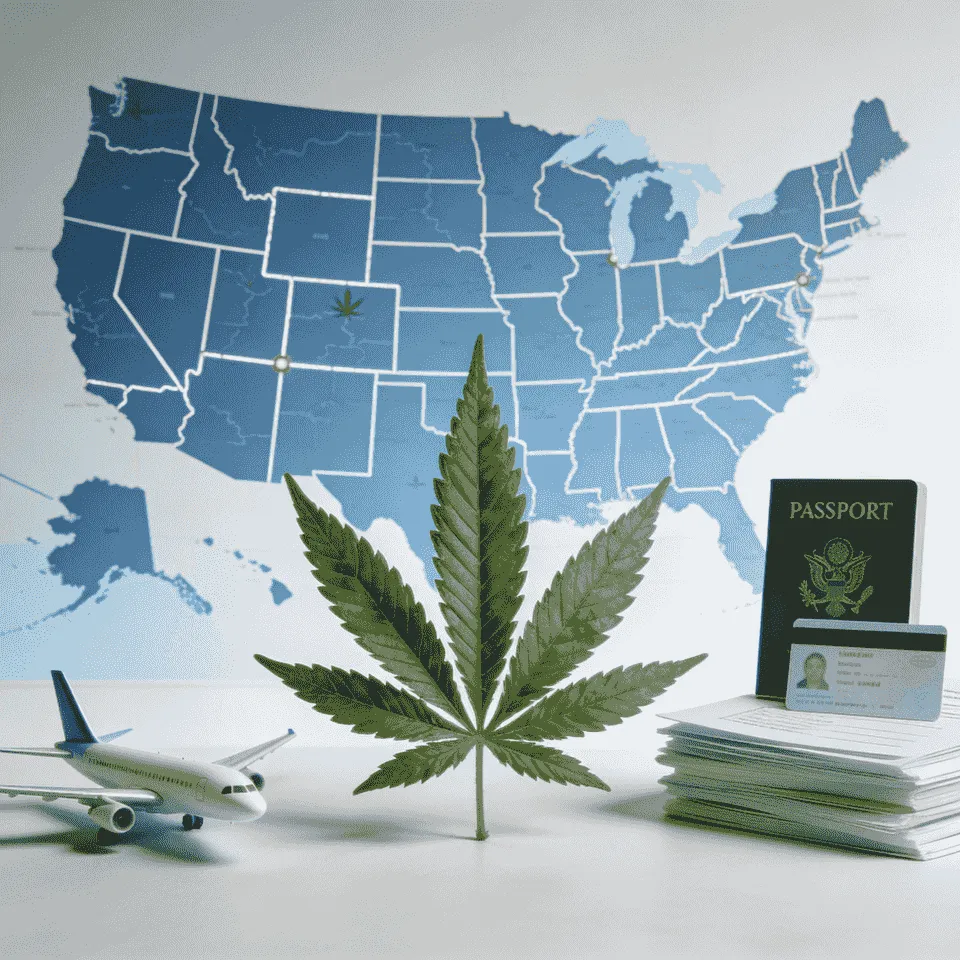

If you have a medical card, learn the rules before traveling between states. Traveling with a medical card creates a legal gray area. Federal law, state rules, and TSA policies all clash. Many cardholders risk legal trouble because they don’t understand the rules. A few states let you use your medical marijuana card outside your home state. Others don’t recognize your card at all. Flying with medical marijuana adds another layer of complexity. TSA follows federal law, which still bans cannabis. This guide breaks down what’s legal when traveling with a medical card. You’ll learn which states accept MMJ cards and which don’t. We’ll explain how TSA handles cannabis at security. You’ll discover the safest ways to access your medicine while traveling. Whether you’re flying or driving, this guide helps you stay legal.
The Federal vs. State Law Problem: Why Traveling with a Medical Card Gets Complicated
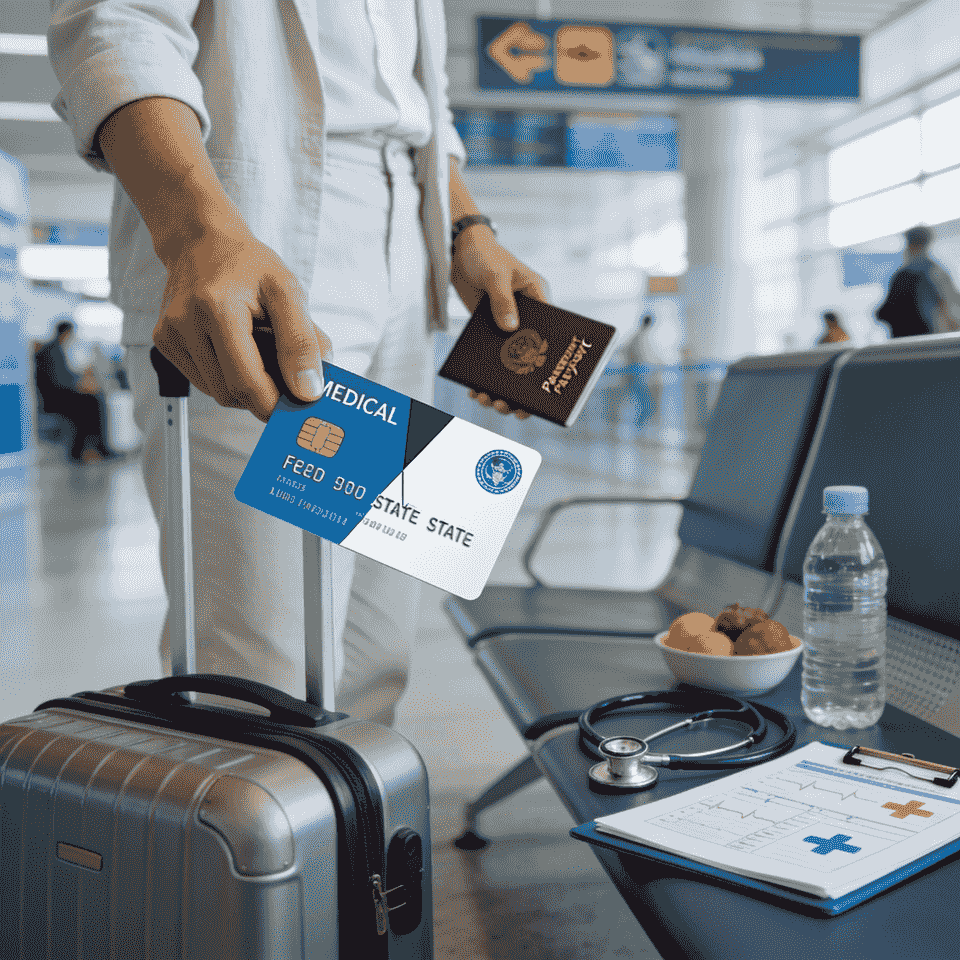
When you’re traveling with a medical card, you face a major legal conflict. Federal law still classifies cannabis as a Schedule I substance. This means it sits in the same category as heroin. Your state may allow medical use, but federal law doesn’t recognize that protection.
This creates serious risks when you cross state lines with medical card in hand.
Federal Law Still Classifies Cannabis as Schedule I
Federal law still keeps cannabis in the strictest drug category, ignoring state medical changes. Schedule I drugs have no accepted medical use under federal law. This classification makes possession a federal crime anywhere in the US.
Your medical card means nothing to federal authorities. They can prosecute you even if your state allows medical use. This applies whether you’re flying with a medical card or driving across state borders.
State Borders Create Legal Boundaries
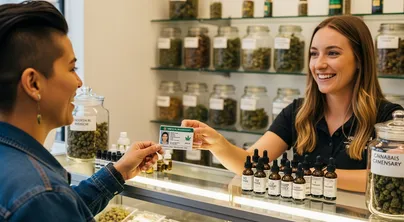
Your medical card only works in the state that issued it. Once you cross into another state, you enter a new legal system. That state may not recognize your card at all.
Even states with medical card reciprocity have limits. Some accept out-of-state medical marijuana cards, but many don’t. You need to check each state’s specific rules before you travel.
What Happens in Federal Jurisdictions Like Airports
On federal land, only federal rules apply strictly. This includes airports, national parks, and federal buildings. TSA rules medical cannabis as illegal contraband.
Federal rules control airport security checks. They can confiscate your medicine and report you to law enforcement. The same applies to any federal land you cross during your trip.
This makes traveling with a medical card a complex question with serious legal consequences.
Medical Marijuana Reciprocity: Which States Accept Out-of-State MMJ Cards
Traveling with a medical card gets tricky when you cross state lines. Not all states honor MMJ card other states issue. You need to know which states accept your card before you travel.
As of 2026, about 15-20 states offer medical marijuana reciprocity. This means they let you use your home state card. However, rules vary widely between states.
States With Full Reciprocity Programs
Some states make it easy for out-of-state cardholders. They let you buy and possess medical cannabis with your existing card.
States with full reciprocity include:
-
Arizona
-
Maine
-
Michigan
-
Nevada
-
Oklahoma
-
Rhode Island
These states don’t require extra paperwork. You can walk into a dispensary and show your card.
States With Limited or Conditional Recognition
Other states accept MMJ cards but add conditions. Some need temporary registration before you can legally possess cannabis. Others limit what you can buy or how much you can carry.
Always verify each state’s MMJ rules before crossing state lines with your medical card.
How to Verify Your Card Will Be Honored
Always check current laws before your trip. State policies change often. Visit the state’s official medical cannabis program website. Look for visitor or reciprocity information.
Here’s what varies by state:
-
Possession limits
-
Purchase restrictions
-
Registration requirements
-
Qualifying conditions
Don’t assume your card works everywhere. One state might let you carry two ounces. Another might cap it at one ounce. These details matter when crossing state lines with a medical card.
Flying With Medical Marijuana: TSA Rules and What Actually Happens at Security
Flying with medical marijuana creates a legal gray zone. Your medical card doesn’t protect you at airports. Federal law governs all air travel in the US.
Official TSA Policy on Medical Cannabis
TSA doesn’t actively search for marijuana during security checks. Their focus stays on safety threats like weapons and explosives. However, if agents find cannabis, they must report it to law enforcement.
That said, TSA follows federal law. Cannabis remains illegal federally. Your state medical card holds no weight at security checkpoints. This applies even when flying with a medical card between two legal states.
What Happens If TSA Finds Cannabis in Your Bag
Local law enforcement response varies by location. In legal states, officers might let you dispose of it. In states where cannabis stays illegal, you could face arrest.
Cannabis rules change from airport to airport, making travel risky. Denver’s airport might handle it differently than Dallas. You can’t predict the response. That’s why many patients choose to get medicine at their destination instead.
State-to-State Flights vs. International Travel
Flying between two legal states doesn’t make it legal. You cross federal jurisdiction. This violates federal law regardless of state policies.
Flying internationally with cannabis can lead to serious legal troubles. You could face federal charges. Some countries ban travelers caught with cannabis. CBD products with less than 0.3% THC are federally legal and allowed. THC products are not.
Check TSA rules before flying to stay within federal cannabis laws. The safest choice? Leave your medicine at home.
Safe Travel Strategies: How to Access Medical Cannabis Legally While Traveling
Using Reciprocity States to Your Advantage
Research reciprocity laws before you book travel. Some states honor out-of-state medical cards during travel. Learn more about out of state medical marijuana card.
Plan routes through states that accept your card. Each state border creates a new legal risk, even with reciprocity.
Keep your medical card and doctor’s recommendation accessible. You’ll need both if questioned.
Obtaining Temporary Cards or Visitor Registrations
Apply for temporary visitor cards in destination states. Some process applications online within 24-48 hours.
Find legal pot shops close to where you’re traveling. Buy medicine after you arrive rather than transporting it.
Alternative Options: CBD and Legal Hemp Products
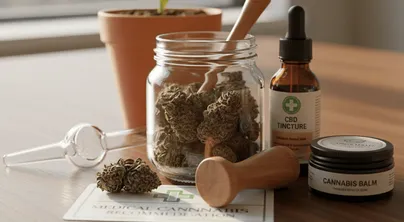
High-CBD, low-THC hemp products are federally legal. They may provide symptom relief during travel.
Never mail cannabis products to yourself. This constitutes federal mail fraud and drug trafficking.
Conclusion
Traveling with a medical card demands careful planning and legal awareness. Federal and state laws clash, making cross-border travel with medical marijuana tricky. You know which states honor out-of-state cards through reciprocity programs. You now know why flying with medical marijuana creates serious legal risks. Learn how to safely carry your medical marijuana across state lines.
The smartest approach? Research your destination’s laws before you book. Use reciprocity states to your advantage when possible. Obtain medicine after arrival rather than risk federal charges. Never fly with cannabis products, even with a valid medical card. These steps protect you from legal trouble while ensuring access to treatment.
As medical cannabis travel laws evolve in 2026, staying informed keeps you safe. Learn TSA rules and state laws for medical cannabis to stay safe while traveling. The legal landscape shifts constantly, but your health needs remain constant.
Need a medical card or want to verify your current certification meets travel requirements? LeafyRx connects you with licensed healthcare providers for fast, secure online evaluations. Get your state-approved medical card and access the medicine you need—whether at home or planning your next trip.
Travel smart, stay legal, and keep your health priorities front and center.




 Ask ChatGPT
  Ask Claude
  Ask Perplexity