
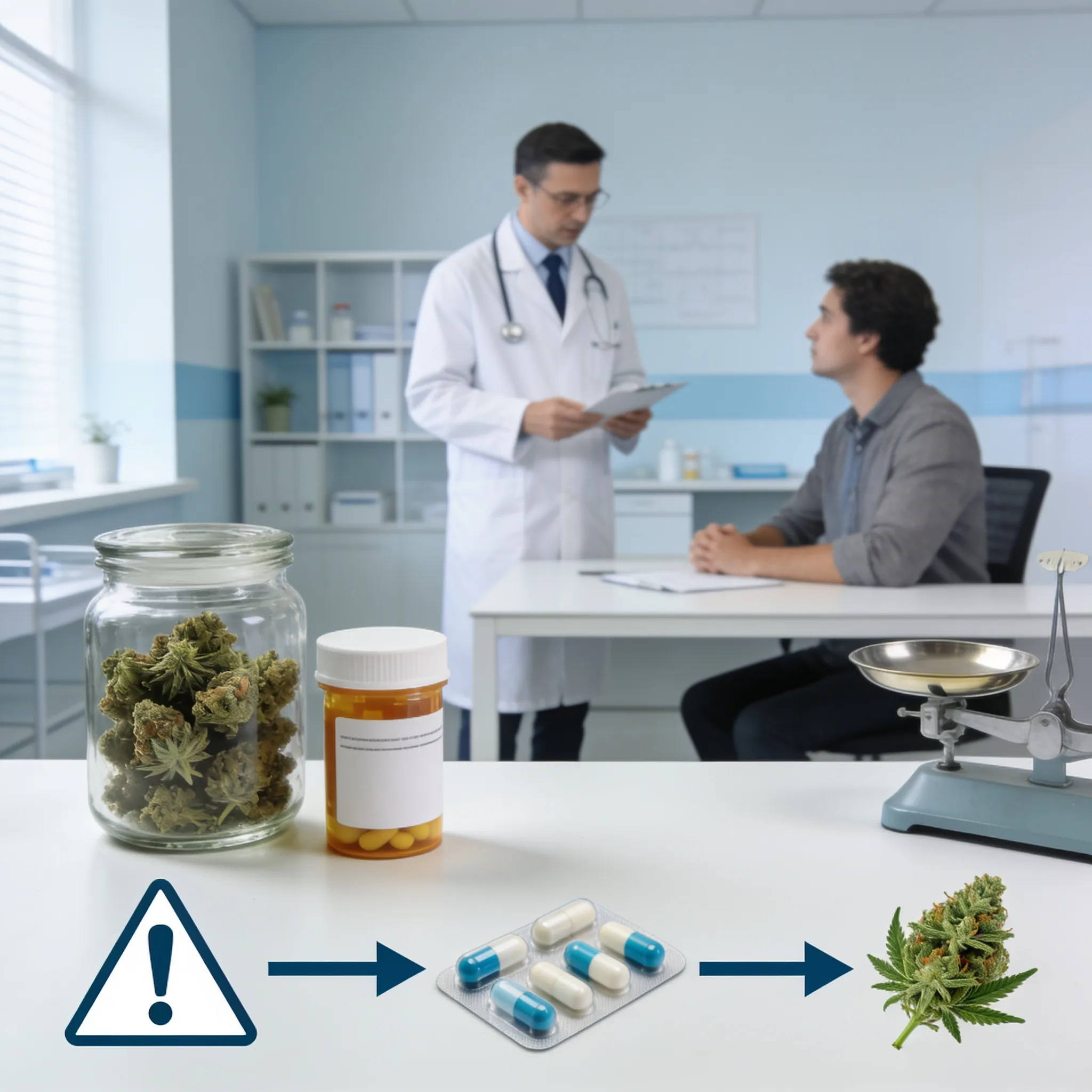

Over 6 million Americans now use medical cannabis. More people now look for drug alternatives that cause fewer side effects. Can medical marijuana replace prescription drugs for chronic conditions? This question matters more than ever. A number of drugs hurt patients by causing harsh and unexpected side effects. They can lead to dependency. Ongoing health fears make patients look for safer drug options.
Pain and anxiety meds might lead to serious risks like daily struggles and drug dependence. We must look at different ways to manage health conditions. Find out if medical cannabis could be a good treatment option for you.
We explore how medical cannabis could help patients swap out their current drugs. Find out which health issues see the best results from medical cannabis. We’ll explore safety steps when moving from prescription drugs to medical cannabis. You’ll discover how to work with your doctor during this transition. We’ll show you practical steps to reduce or replace your current medications safely.
By the end, you’ll understand whether medical marijuana can replace prescription drugs for your specific needs. You’ll know how to make informed decisions with medical supervision. Let’s review what studies tell us about this growing medical approach.
Understanding Medical Cannabis as a Prescription Alternative: Can Medical Marijuana Replace Prescription Drugs?
Medical marijuana targets your body’s own network to manage health naturally. This internal system helps manage pain, emotions, and body stress. THC and CBD bind to receptors throughout your nervous system. They influence how you feel pain and stress.
Most prescription drugs focus on fixing a single medical problem. Cannabis compounds work to support your body’s overall health. This creates what researchers call the “entourage effect.” Medical marijuana might replace some drugs. First, we need to compare how each treatment works.
How Medical Cannabis Works in the Body
Your body makes its own natural cannabis-like chemicals. These plant chemicals work just like your body’s own compounds. CB1 receptors in your brain affect pain perception. Your immune system uses CB2 receptors to control body inflammation.
THC binds directly to CB1 receptors. This creates pain relief and mood changes. By blocking enzymes, CBD helps strengthen your body’s own pain control. CBD boosts your body’s own pain defense system.
Key Differences Between Cannabis and Traditional Medications
Opioids block pain signals but carry addiction risks. Each drug type brings unique safety features to patient treatment. Unlike opioids, cannabis does not slow down or stop breathing.
These drugs shift brain chemicals to help calm anxiety symptoms. Cannabis modulates existing systems. This often means fewer side effects for patients.
FDA approved Epidiolex in 2018 to treat seizures. Marinol and Cesamet also ease chemotherapy side effects.
Current Medical Research and Clinical Evidence
Studies show cannabis helps chronic pain in adults. Research on replacing opioids with medical marijuana continues to grow. A PubMed study examined cannabis use patterns among medical patients. Research lacks clear data on cannabis’s long-term safety for patients.
Most clinical trials focus on specific cannabinoid ratios. Current laws make it hard for researchers to examine full cannabis plants. Current laws leave big holes in our knowledge of cannabis impacts.
Conditions Where Medical Cannabis May Replace Prescription Drugs
Medical marijuana may help manage select health issues, experts note. Some patients could lower their prescription drug use with medical marijuana. We’ll look at where medical cannabis might work best as a drug alternative.
Chronic Pain Management
Chronic pain affects millions of people each year. Many rely on opioids and NSAIDs for relief. However, these drugs carry serious risks.
Medical marijuana may decrease opioid use by 40%, helping patients manage pain more safely. Understanding whether medical marijuana can replace prescription drugs for chronic pain requires evaluating individual patient needs.
Leafy Rx helps patients find doctors who check if medical cannabis could replace pain pills. The process takes minutes, not weeks.
Anxiety and Mental Health Conditions
Anxiety disorders affect one in five adults. Doctors often prescribe benzodiazepines or SSRIs. These drugs can trap patients in a cycle of dependence and painful withdrawal.
Marijuana might provide patients with a different path for healing. Research shows CBD may help people manage mental health symptoms. Studies show CBD can lower anxiety while keeping mental clarity intact.
Studies reveal that PTSD patients heal faster when they lower or quit benzodiazepine use. Doctors must carefully set personalized dosing plans to get the best results.
Neurological Disorders and Seizures
People with epilepsy have few good ways to treat their condition. Not all people get help from typical anti-seizure drugs. Side effects can be severe.
For some seizure disorders, the FDA cleared Epidiolex as a treatment option. Research showed cannabis could cut seizure rates by almost half. Some patients became seizure-free.
Beyond epilepsy, Harvard Health Publishing notes that cannabis helps with multiple sclerosis symptoms. Patients report less muscle spasticity and better sleep. Patients find relief from symptoms while staying alert and awake.
Safety Considerations and Risks of Switching Medications
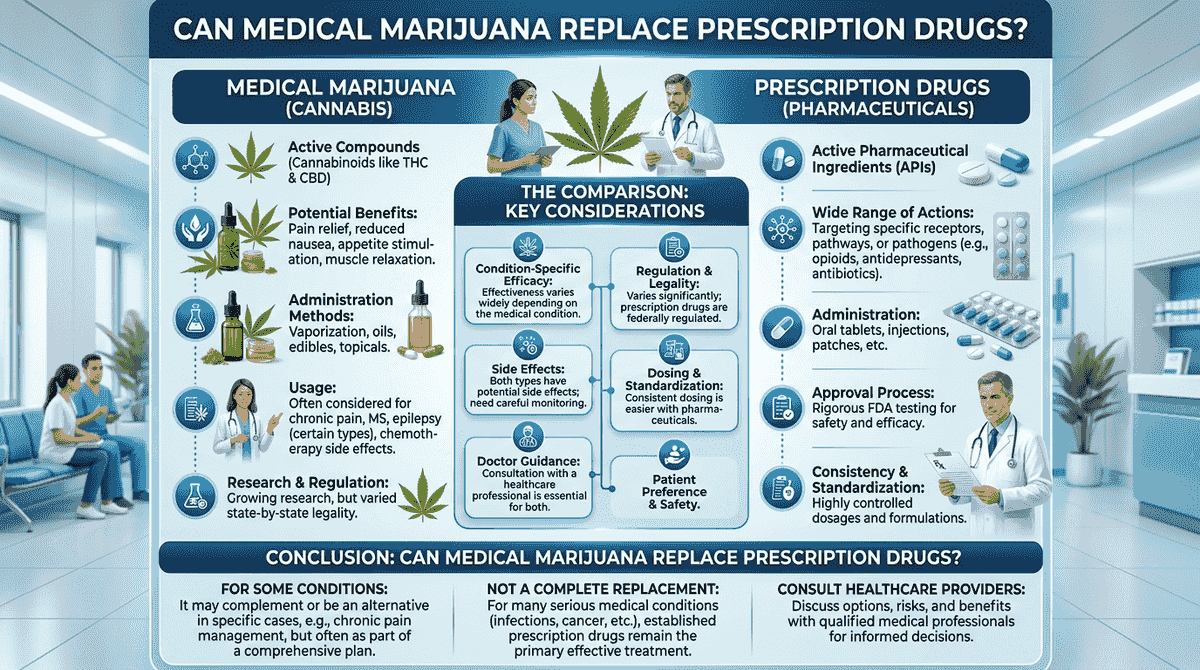
Switching from prescription drugs to medical cannabis isn’t a simple swap. You need medical supervision to avoid serious health risks. Talk to your doctor before you quit taking prescribed drugs. Understanding medical marijuana and prescription drug interactions is essential for patient safety.
Drug Interactions and Contraindications
Some medications can react badly when mixed with medical cannabis. Mixing cannabis and warfarin can change how the blood thinner works. This can lead to bleeding problems or blood clots.
Cannabis can make some antidepressants cause more sedation or worsen anxiety. Benzodiazepines mixed with cannabis can cause extreme drowsiness. Tell your doctor about all drugs before using medical cannabis.
Withdrawal Risks from Prescription Medications
Quitting these drugs suddenly without a doctor can lead to fatal health risks. Your doctor must create a tapering schedule. This gradually reduces your dose over weeks or months.
Withdrawal signs change based on the type of medication used. When patients quit opioids, they face severe pain and flu-like reactions. Benzodiazepines cause severe seizure risks when patients stop taking them. Medical experts track your progress to ensure a safe drug change.
Side Effects and Long-Term Safety Profile
Cannabis carries its own risks despite being natural. Pregnant women risk hurting their baby’s health by using medical cannabis. Heart patients have a higher risk of heart problems with cannabis use.
Those with a history of psychosis should avoid cannabis entirely. Research from the National Center for Biotechnology Information shows it can trigger or worsen mental health episodes. Long-term heavy use may affect memory and cognitive function in some users.
How to Safely Transition from Prescriptions to Medical Cannabis
Working with Healthcare Providers
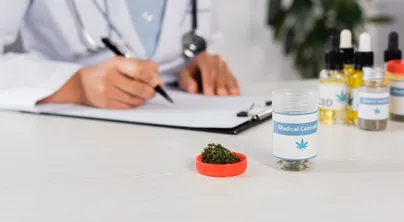
Talk to your doctor before you make any changes. Tell your doctor about all drugs and health issues you have now. Doctors can help you safely switch from prescription drugs to medical cannabis.
Check with your doctor about how cannabis might affect your current drugs. Some prescriptions don’t mix well with cannabis.
Stopping prescription drugs too fast can lead to serious health risks. Talk to your doctor first. Your doctor can create a gradual tapering plan.
Getting certified is simple. Platforms like Leafy Rx connect you with licensed providers online. Most evaluations take 15 minutes.
Finding the Right Cannabis Products and Dosing
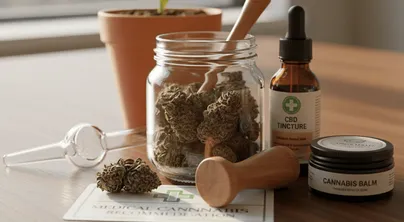
Start with oils or tinctures for precise dosing. Edibles offer longer effects but take 1-2 hours to work.
Begin low and go slow. Try 2.5-5mg THC for your first dose. Wait two hours before taking more.
CBD products don’t cause a high. Medical researchers say CBD interacts with your body to reduce pain and stress.
Monitoring Your Progress and Adjusting Treatment
Keep a daily symptom journal. Track pain levels, mood, sleep quality, and side effects.
Most people see results within 2-4 weeks. Chronic pain may improve faster than anxiety symptoms.
Conclusion
Medical cannabis shows real promise as an alternative to prescription drugs. You now understand how medical cannabis works with your body’s systems and its treatment potential.
The key takeaway? Medical supervision matters. You can’t just swap pills for cannabis overnight. Work with your doctor to create a safe transition plan. Monitor your symptoms closely. Adjust dosages as needed.
Start by getting a proper evaluation. Talk to your doctor about all the drugs you take right now. Talk to your doctor about whether medical cannabis could help treat your condition. Create a tapering schedule if you decide to switch.
Ready to explore whether can medical marijuana replace prescription drugs for your health needs? Connect with a licensed healthcare provider through Leafy Rx today. Have a healthcare expert assess your specific health and medication plan. Develop a safe transition plan tailored to you.





 Ask ChatGPT
  Ask Claude
  Ask Perplexity