
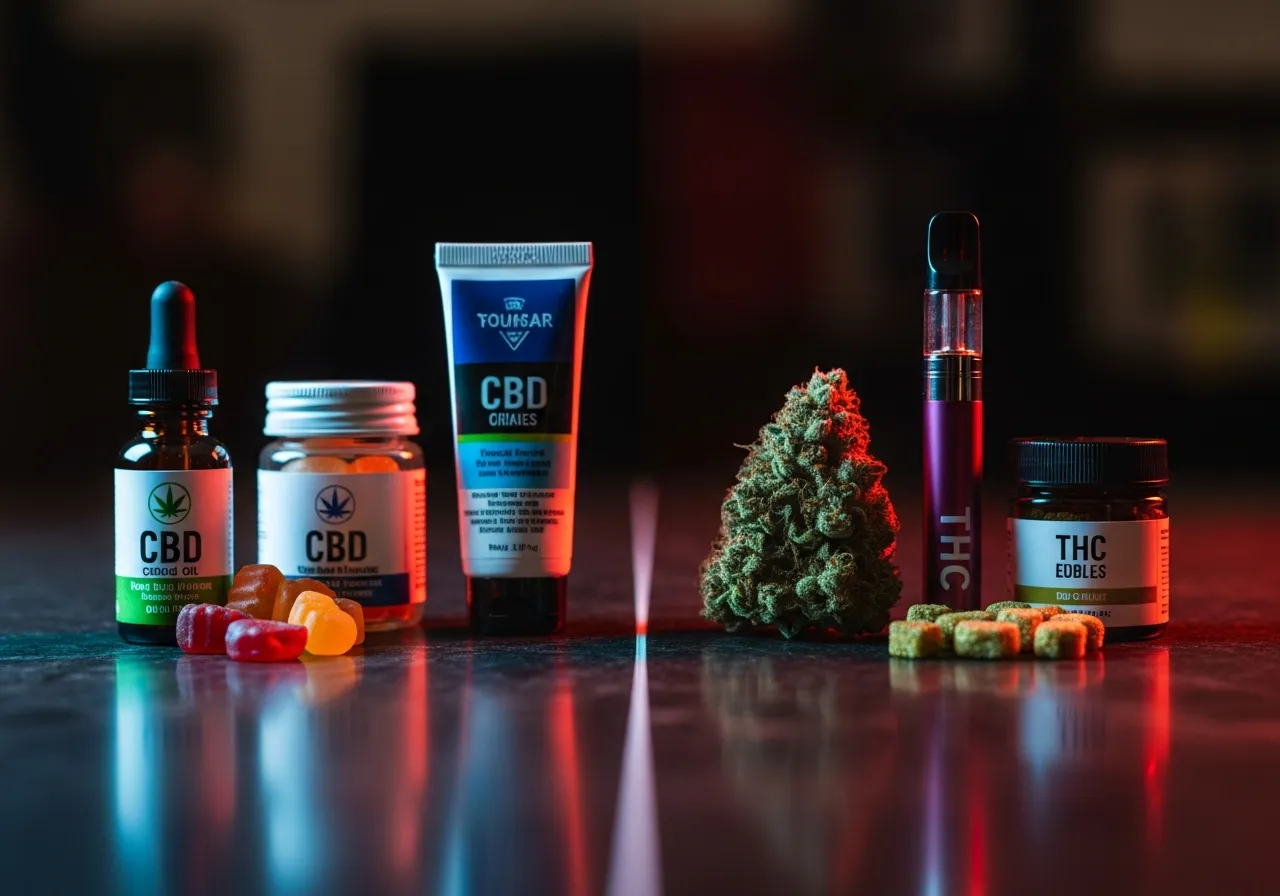

If you have ever wondered about CBD vs THC, you are not alone. As medical cannabis becomes legal in more states and its therapeutic potential becomes clearer, millions of patients and curious consumers are asking the same question: what exactly is the difference between these two compounds, and which one is right for them? Both cannabidiol (CBD) and delta-9-tetrahydrocannabinol (THC) are produced by the same Cannabis plant, share a nearly identical chemical structure, and interact with the body’s endocannabinoid system, yet they behave in remarkably different ways once inside the body. This comprehensive guide breaks down everything you need to know about CBD vs THC, from their molecular mechanisms and effects on the brain to their medical applications, legal status, drug testing implications, and how to access them safely through qualified medical care.
CBD vs THC: Understanding the Basics of Cannabis Compounds
The Cannabis sativa plant produces more than 100 compounds known as cannabinoids, but CBD and THC are by far the most abundant and the most studied. Understanding how they differ starts with chemistry. Both CBD and THC share the same molecular formula, C21H30O2, and both interact with cannabinoid receptors in the human body. However, their three-dimensional structures differ in one critical way: THC has a cyclic ring that CBD does not. This small structural difference is responsible for their profoundly different effects on the brain.
THC binds directly and powerfully to CB1 receptors in the brain, which are part of the endocannabinoid system (ECS). This binding produces the characteristic euphoria, altered perception, and psychoactive effects that most people associate with cannabis. CBD, by contrast, does not bind directly to CB1 receptors with any meaningful affinity. Instead, CBD acts as a negative allosteric modulator of CB1 receptors, meaning it can actually reduce or modulate THC’s psychoactive effects when both compounds are present. This interaction helps explain why full-spectrum cannabis products that contain both CBD and THC often feel less intoxicating than pure THC products.
The endocannabinoid system itself is a vast signaling network composed of receptors (CB1 and CB2), endogenous ligands such as anandamide and 2-arachidonoyl glycerol (2-AG), and the enzymes that produce and break down those lipids. THC mimics the body’s own endocannabinoids to an unusually powerful degree, flooding the ECS in a way that natural signaling does not. CBD works through a broader range of molecular targets, including GPR55, TRPV1 ion channels, serotonin 5-HT1A receptors, and more, which accounts for its diverse therapeutic profile without producing intoxication.
How THC Affects the Body and Brain
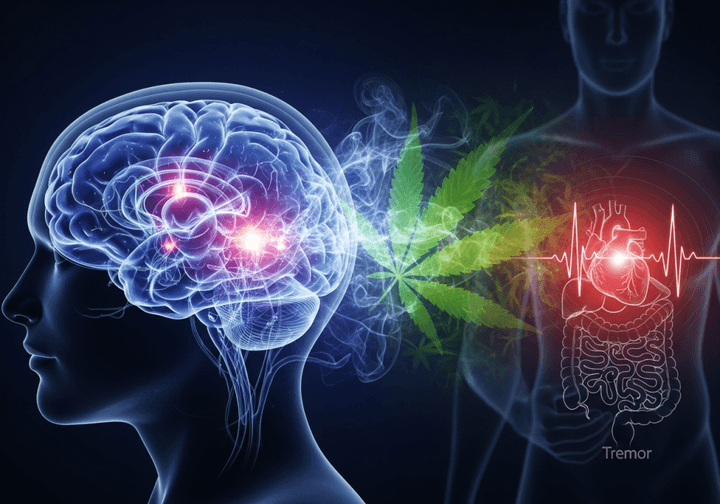
When THC enters the bloodstream, whether through inhalation, oral consumption, or another route, it quickly crosses the blood-brain barrier and binds to CB1 receptors concentrated in regions governing memory, coordination, pleasure, time perception, and sensory processing. The subjective experience, commonly called a “high,” includes feelings of euphoria, relaxation, heightened sensory perception, and sometimes altered time perception or increased appetite.
Pharmacokinetics of THC: What Happens After Consumption
The route of administration significantly affects how THC behaves in the body. When inhaled, THC is absorbed rapidly and peaks in blood within minutes, bypassing first-pass liver metabolism. One inhalation of a standard dose (approximately 0.3 mg/kg) produces blood concentrations ranging widely from 1.6 to 160 ng/mL depending on individual factors. When consumed orally, peak concentrations are reached more slowly, typically one to three hours after ingestion, and the effects last longer because the liver converts THC into its active metabolite 11-OH-THC, which is actually more potent than THC itself.
More than 80 metabolites of THC have been identified in the body. Among these, 11-OH-THC and 11-nor-delta-9-THC-9-carboxylic acid (THC-COOH) are the most relevant clinically. THC-COOH is the primary metabolite detected in standard urine drug tests, and it can remain detectable for days in occasional users and several weeks in chronic heavy users due to its tendency to accumulate in fatty tissues and release slowly over time.
THC’s Primary Molecular Targets
THC’s highest potency target is the cannabinoid receptor 1 (CB1R), which it activates at concentrations of approximately 30 nM. CB1R is expressed at high levels by GABAergic inhibitory neurons, at intermediate levels by glutamatergic neurons, and at low levels in microglia. By partially activating CB1R, THC reduces presynaptic neurotransmitter release, including glutamate, GABA, and acetylcholine, disrupting the precise signaling that the brain relies on for memory consolidation, executive function, and coordinated movement.
THC also activates cannabinoid receptor 2 (CB2R), primarily found in immune cells and endothelial cells. Under inflammatory and pathological conditions, CB2R expression is significantly upregulated in microglia and other immune cells, which is part of why THC has shown anti-inflammatory properties in preclinical research. THC also modulates GLRA3 receptors and, at higher concentrations, interacts with GPR55 and 5-HT3A receptors, contributing to its anti-nausea effects.
THC, Memory, and Cognitive Effects
One of the most clinically significant effects of THC is its impact on memory and cognition. Research published in Neuron by Stella (2023) found that acute oral consumption of THC impairs memory functions for hours in humans. THC disrupts network neuronal spiking patterns and temporal firing synchrony in the hippocampus, the brain region most critical for forming new memories. These effects are largely mediated through CB1 receptors expressed in astrocytes and involve PKC and COX2 signaling pathways. In mice, these impairments occur in a sex-dependent manner, suggesting individual differences in vulnerability.
Chronic exposure to THC, particularly during adolescence, is of significant concern. The prefrontal cortex and nucleus accumbens, brain regions that are still actively developing through the mid-twenties, are particularly sensitive to THC’s effects. Long-term heavy use has been associated with increased risk of cannabis use disorder and, in vulnerable individuals, with elevated rates of anxiety disorders and psychosis.
How CBD Affects the Body and Brain
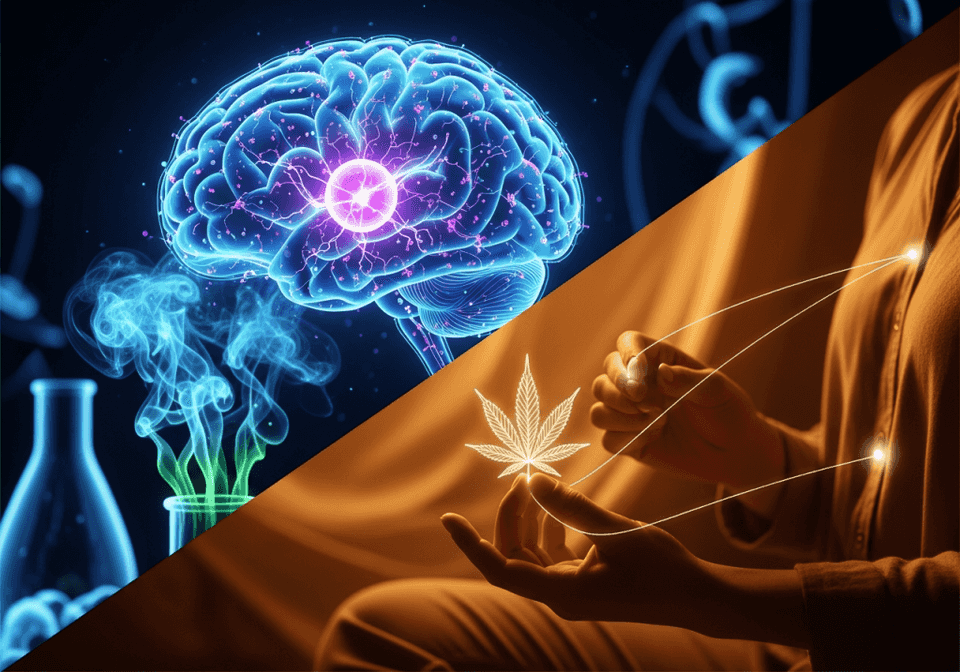
CBD produces none of the intoxicating effects associated with THC, which is why it is often described as non-psychotropic, though this term is somewhat misleading because CBD does influence brain function in meaningful ways. The distinction that matters clinically is that CBD does not produce euphoria, impairment, or addiction in the way THC does.
CBD’s Molecular Targets: A Broader Profile
CBD operates through a remarkably diverse set of molecular targets. It acts as a negative allosteric modulator of CB1R, meaning it changes the receptor’s shape in a way that reduces its sensitivity to THC and to the body’s own endocannabinoids. It is an antagonist of GPR55, a receptor involved in cell division, neuronal development, and neurotransmission. CBD is also an agonist of TRPV1 (transient receptor potential vanilloid 1), a receptor that regulates pain perception, inflammation, and body temperature. Additionally, CBD modulates the serotonin 5-HT1A receptor, which plays a major role in anxiety, mood, and pain.
CBD also inhibits the reuptake of anandamide, the body’s own “bliss molecule,” allowing it to remain active in synapses longer than it normally would. And unlike THC, CBD does not cause tolerance in the traditional sense, meaning users do not typically need increasing doses to achieve the same therapeutic benefit over time.
CBD and the Endocannabinoid System
The endocannabinoid system relies on two primary lipid signaling molecules: anandamide (AEA) and 2-arachidonoyl glycerol (2-AG). AEA is produced by the enzyme NAPE-PLD, and 2-AG by diacylglycerol lipase (DAGL). Both are produced on demand in response to neural activity and are quickly degraded by FAAH (for AEA) and MAGL (for 2-AG). CBD inhibits FAAH, the enzyme that breaks down anandamide, thereby enhancing the natural tone of the endocannabinoid system rather than overwhelming it as THC does.
This more nuanced modulation of the ECS may explain why CBD produces therapeutic effects, such as anxiolysis and anti-inflammatory action, without the abuse potential, tolerance development, or cognitive impairment associated with direct CB1R agonism.
CBD vs THC: Key Medical Uses and Therapeutic Applications
Understanding CBD vs THC in a medical context means recognizing that each compound has distinct strengths and limitations. Rather than asking which one is “better,” the more useful question is which compound, or which combination of both, best addresses a specific patient’s condition and symptom profile.
Conditions Where THC Shows Strong Evidence
THC has the longest clinical track record among cannabinoids. The FDA has approved two synthetic THC medications: dronabinol (Marinol) and nabilone (Cesamet), both for chemotherapy-induced nausea and vomiting, and dronabinol also for appetite stimulation in AIDS-related wasting. Beyond these indications, clinical and preclinical research supports THC’s effectiveness for chronic pain, neuropathic pain, multiple sclerosis spasticity, PTSD, and sleep disturbances associated with several conditions.
Patients with cancer represent one of the largest groups using medical THC. Research has documented improvements in pain scores, reductions in opioid use, and improvements in quality of life among cancer patients using medical cannabis. THC’s ability to stimulate appetite is particularly valuable for patients undergoing chemotherapy, where nausea and weight loss are serious clinical concerns. Similarly, patients with PTSD may benefit from THC’s documented ability to reduce the frequency and intensity of nightmares, a symptom notoriously difficult to manage with conventional medications.
Conditions Where CBD Shows Strong Evidence
CBD’s most well-established medical use is in the treatment of refractory epilepsy. The FDA approved Epidiolex, a pharmaceutical-grade CBD formulation, for the treatment of Lennox-Gastaut syndrome and Dravet syndrome in 2018. Clinical trials demonstrated that Epidiolex significantly reduced seizure frequency compared to placebo. This was a landmark moment for cannabis-based medicine, providing regulatory validation for CBD as a legitimate therapeutic agent.
Beyond epilepsy, CBD has shown promise in managing anxiety disorders, depression, insomnia, fibromyalgia, inflammatory conditions such as arthritis, and neurodegenerative diseases including Alzheimer’s. CBD’s anti-inflammatory properties stem from its modulation of microglial activity and cytokine production. Because microglia express CB2R, and CBD modulates signaling through this receptor, it may help regulate the neuroinflammatory processes that underlie many chronic diseases.
For patients with migraines and back pain, both CBD and THC may provide benefits through complementary mechanisms: THC by reducing pain signal intensity through CB1R modulation, and CBD by reducing underlying inflammation and sensitization through its TRPV1 and 5-HT1A activity.
The Entourage Effect: When CBD and THC Work Together
One of the most interesting and clinically relevant phenomena in cannabinoid science is the entourage effect: the observation that whole-plant cannabis extracts, containing both CBD and THC alongside terpenes and minor cannabinoids, often produce better outcomes than isolated compounds. Research suggests that CBD may actually reduce some of THC’s unwanted side effects, such as anxiety and cognitive impairment, while preserving or enhancing its analgesic and anti-nausea properties. This has driven growing clinical interest in carefully calibrated CBD-to-THC ratios for specific conditions rather than relying on a single isolated compound.
If you think medical cannabis could help manage a qualifying condition, LeafyRx connects you with licensed doctors online in minutes. Check if your condition qualifies and get started today at LeafyRx..
CBD vs THC: Pharmacokinetics, Potency, and Side Effects
How Each Compound Is Processed by the Body
Both CBD and THC are highly lipophilic, meaning they dissolve in fat rather than water. This characteristic allows them to cross the blood-brain barrier and distribute throughout fatty tissues in the body, including the brain. It also means both compounds accumulate in adipose (fat) tissue and are released slowly over time, which explains why traces of cannabinoids can remain detectable in biological samples well after the effects have worn off.
THC is primarily metabolized by cytochrome P450 enzymes CYP2C9 and CYP3A4 in the liver. Fatty acid binding proteins (FABPs) play a dual role: they assist THC in crossing cell membranes and reaching CB1R, and they also facilitate delivery of THC to metabolizing enzymes. CBD is metabolized by similar P450 pathways, and at high doses it can actually inhibit CYP2C19, an enzyme responsible for metabolizing many common drugs. This is clinically significant because it means high-dose CBD can alter the blood levels of other medications a patient may be taking, including blood thinners, antiepileptics, and antidepressants.
Side Effects: Comparing the Risks
THC’s side effect profile is well established. Acute effects include impaired short-term memory and reaction time, anxiety or paranoia at high doses, increased heart rate, dry mouth, and red eyes. Chronic heavy use is associated with tolerance development, cannabis use disorder in a subset of users (estimated at 9% of all users, rising to 17% among those who start in adolescence), and potential worsening of underlying psychiatric conditions in genetically predisposed individuals. A phenomenon sometimes called “greening out,” characterized by severe anxiety, nausea, and panic following very high THC intake, particularly from edibles, is another real risk.
CBD is generally considered to have a favorable safety profile. However, it is not without side effects, particularly at high doses. The most commonly reported adverse effects include fatigue, diarrhea, changes in appetite and weight, and elevated liver enzymes, the latter being most relevant at doses used in epilepsy treatment. Because CBD inhibits certain P450 enzymes, drug interactions represent a meaningful clinical risk that must be monitored by a healthcare provider.
Addiction Potential and Withdrawal
THC activates the mesolimbic dopamine pathway, the brain’s reward circuitry, and repeated activation can lead to the development of dependence and, in some users, cannabis use disorder. Withdrawal from chronic THC use can include irritability, sleep disturbances, decreased appetite, anxiety, and cravings. CBD, by contrast, does not activate the mesolimbic reward system in the same way and has shown no significant abuse potential in controlled studies. Some research even suggests CBD may help reduce cravings and anxiety in people recovering from substance use disorders.
Legal Status: CBD vs THC Across the United States
The legal status of CBD vs THC diverges dramatically at both the federal and state levels, creating a complex landscape that patients and consumers must navigate carefully.
Federal Law
Under the federal Controlled Substances Act (CSA), THC remains a Schedule I substance, meaning it is classified as having a high potential for abuse and no currently accepted medical use at the federal level, despite overwhelming evidence to the contrary and approval by more than 38 states. This federal status creates significant barriers to research and limits insurance coverage for medical cannabis therapies.
CBD occupies a different legal space. Following the 2018 Agriculture Improvement Act (the Farm Bill), CBD derived from hemp, defined as cannabis containing less than 0.3% THC by dry weight, became federally legal to produce and sell. The FDA has approved Epidiolex as a prescription drug and continues to regulate CBD products under drug and food law, meaning that CBD cannot be legally sold as a dietary supplement or added to food at the federal level, though enforcement has been inconsistent and many consumer CBD products remain widely available.
State-Level Medical Cannabis Programs
Medical cannabis programs in more than 38 states allow patients with qualifying conditions to legally access THC-containing products with a physician’s recommendation. These programs vary in important ways: which conditions qualify, purchase limits, available product forms, and costs. Understanding the difference between medical and recreational marijuana is critical for patients, because medical cardholders typically enjoy lower taxes, higher purchase limits, access to higher-potency products, and legal protections that recreational users do not have.
Obtaining a medical marijuana card is more accessible than many patients realize. Platforms like LeafyRx have simplified the process dramatically. Patients can book appointments online, consult with licensed physicians via video call, and receive their certification without leaving home. The cost of obtaining a medical marijuana card varies by state, and you can find a detailed breakdown of medical marijuana card costs by state to understand what to expect in your area.
CBD vs THC and Drug Testing
Drug testing is a major practical concern for patients considering medical cannabis, and it is an area where the distinction between CBD and THC matters enormously. Standard workplace urine drug tests do not screen for CBD. They screen for THC-COOH, the primary metabolite of THC. A product that contains only pure CBD should not produce a positive drug test. However, there are important caveats.
Many CBD products, including some sold as full-spectrum hemp extracts, contain trace amounts of THC (up to the legal limit of 0.3%). Regular consumption of these products, particularly at higher doses, can lead to THC-COOH accumulation sufficient to trigger a positive urine drug screen. Patients who are subject to drug testing and wish to use CBD should seek out broad-spectrum or isolate products that have been third-party tested and verified to contain no detectable THC.
THC metabolites are detectable in urine for approximately three to four days after a single use in an occasional consumer, but for two to four weeks or longer in a daily or chronic user, due to THC’s storage in fatty tissues. Hair follicle tests can detect THC metabolites for up to 90 days. Blood tests reflect more recent use and are primarily used in law enforcement contexts rather than employment screening.
For patients holding a valid medical marijuana card, some states offer legal protections in employment contexts, though federal employees and those in safety-sensitive positions under Department of Transportation oversight are generally not covered by these protections. Consulting with a medical cannabis physician about disclosure and documentation is strongly advised.
Forms of Cannabis Products: CBD vs THC Delivery Methods
Both CBD and THC are available in a growing array of product forms, each with distinct onset times, durations of effect, and suitability for different patient needs.
Inhalation
Smoking or vaporizing cannabis produces the fastest onset, with effects beginning within minutes as THC or CBD is absorbed directly through the lungs into the bloodstream, bypassing first-pass liver metabolism. This route offers quick relief, which is valuable for acute symptoms like breakthrough pain or nausea, but comes with potential risks to respiratory health from combustion byproducts. Vaporization at lower temperatures reduces combustion-related risks compared to smoking.
Oral and Sublingual Products
Edibles, capsules, and tinctures represent the most common oral forms. When swallowed, both THC and CBD undergo first-pass liver metabolism, which slows onset (typically one to three hours for edibles) but prolongs duration (six to eight hours or longer). Sublingual tinctures, held under the tongue, offer faster absorption than swallowing and more predictable blood levels. Oral consumption is favored by patients seeking sustained symptom control, such as those managing chronic pain, insomnia, or inflammatory conditions.
Topicals
Topical creams, balms, and patches containing CBD, THC, or both are applied directly to the skin. CBD topicals are widely used for localized pain, arthritis, and inflammation. Because most topical cannabinoids do not penetrate deeply enough to enter the bloodstream at meaningful concentrations, they generally do not produce psychoactive effects and do not trigger positive drug tests. Transdermal patches, however, are specifically designed to deliver cannabinoids into systemic circulation and behave more like oral products in their pharmacokinetics.
Suppositories and Other Routes
For patients who cannot use oral or inhaled products, rectal or vaginal suppositories offer an alternative delivery method. These bypass liver metabolism and can produce more consistent blood levels than oral routes. They are particularly useful in palliative care and for patients with severe gastrointestinal conditions.
Ready to legally access medical cannabis with guidance from a licensed professional? Get your online medical marijuana card through LeafyRx in minutes, with approval or your money back..
CBD vs THC in Specific Patient Populations
Pediatric Patients
The use of CBD in pediatric populations is best supported by the clinical evidence for epilepsy. Epidiolex is FDA-approved for children as young as two years old with Dravet syndrome or Lennox-Gastaut syndrome. For other pediatric conditions, evidence remains limited and parents should always work with a qualified pediatric neurologist or physician before introducing any cannabinoid therapy. THC use in children and adolescents is generally contraindicated due to its disruption of normal brain development.
Elderly Patients
Older adults represent a rapidly growing demographic in medical cannabis programs. Older patients often use cannabis for chronic pain, arthritis, insomnia, and anxiety. Both CBD and THC can be effective for these conditions, but elderly patients are more sensitive to THC’s psychoactive effects and have higher rates of the drug interactions that high-dose CBD can precipitate. Starting with lower doses and titrating slowly is particularly important in this population.
Patients with Mental Health Conditions
For patients with anxiety or depression, the choice between CBD and THC requires careful consideration. CBD has demonstrated anxiolytic effects in clinical and preclinical studies, and its mechanism of action through 5-HT1A receptors mirrors that of certain conventional antidepressants. THC, at low doses, may also reduce anxiety, but at higher doses it frequently exacerbates it, particularly in users who are not accustomed to its effects. For patients with a personal or family history of psychosis, THC is generally contraindicated. Patients with PTSD represent a nuanced case where THC’s ability to reduce nightmares and hyperarousal may offer benefits that outweigh risks under careful medical supervision.
Patients with Chronic Pain and Inflammatory Conditions
Chronic pain is the most common reason patients seek medical cannabis. Both CBD and THC contribute to pain relief through different mechanisms, making their combination particularly effective. THC reduces pain centrally by reducing neurotransmitter release in pain pathways, while CBD reduces peripheral inflammation and sensitization through TRPV1 and GPR55 modulation. Patients with fibromyalgia, arthritis, Crohn’s disease, and back pain have all reported meaningful symptom relief in clinical surveys and observational studies, with highest satisfaction among patients who use both compounds together rather than either alone.
Choosing Between CBD and THC: A Practical Framework
Navigating the question of CBD vs THC is ultimately a clinical decision that depends on the patient’s specific diagnosis, symptom severity, lifestyle, drug testing requirements, tolerance for psychoactive effects, state of residence, and previous cannabis experience. The following framework may help:
-
Consider CBD first if: the goal is to manage anxiety, mild to moderate pain, or inflammation without any impairment; if the patient is subject to drug testing; if the patient is new to cannabis; or if there is a personal or family history of psychosis.
-
Consider THC if: symptoms include severe chronic pain, chemotherapy-induced nausea, spasticity, appetite loss, PTSD-related nightmares, or sleep disorders; if previous CBD-only trials have been insufficient; or if the patient has a medical marijuana card and can access regulated THC products legally.
-
Consider a combination if: the patient’s condition is multifaceted, such as cancer involving pain plus nausea plus appetite loss; if prior single-compound trials have had partial success; or if the patient is working with a knowledgeable cannabis physician who can help calibrate an appropriate CBD-to-THC ratio.
Working with a licensed physician who has expertise in cannabinoid medicine is the single most important factor in optimizing outcomes. A cannabis-informed physician can consider your full medical history, current medications, specific symptoms, and state-specific options to help you develop a safe and effective treatment plan.
How to Access Medical Cannabis Legally: The Role of a Medical Marijuana Card
For patients who need access to THC-containing products or to higher-potency CBD formulations, obtaining a medical marijuana card is the most reliable and legally protected route. A medical marijuana card provides access to licensed dispensaries where products are tested for potency and purity, eliminating the quality uncertainty associated with unregulated market products. Medical cardholders also generally pay lower taxes than recreational consumers, have access to higher purchase limits, and have legal documentation of their legitimate medical use.
The process of obtaining a medical marijuana card has become significantly more accessible with the growth of telehealth. LeafyRx connects patients with licensed physicians across all eligible states, allows appointments to be booked online, and enables patients to complete their evaluation via video call from home. The platform has served over 100,000 patients and offers a money-back guarantee if your certification is not approved. You can explore how to get an online medical marijuana card and which states are covered directly on the LeafyRx website.
Once certified, patients gain access to the full range of regulated cannabis products, including both CBD-dominant, THC-dominant, and balanced formulations. Dispensary staff, known as budtenders, can provide additional guidance on specific products, but they are not medical professionals. Ongoing medical supervision from a cannabis-informed physician is important for optimizing therapy and managing any side effects or drug interactions.
The Future of CBD vs THC Research
Scientific understanding of CBD vs THC is advancing rapidly. Several important research frontiers deserve attention:
Biased Agonism and Precision Pharmacology
THC can activate CB1R through multiple signaling pathways including G protein-coupled signaling, beta-arrestin pathways, and second messenger cascades. Different ligands activate these pathways with different priorities, a phenomenon known as biased agonism. Researchers are developing synthetic cannabinoid compounds designed to preferentially activate specific CB1R signaling pathways associated with therapeutic effects, such as analgesia, while minimizing activation of pathways associated with adverse effects like psychoactivity and tolerance. This could yield the pain relief of THC without its high.
CBD and Neurodegeneration
Preclinical evidence supports CBD’s potential in neurodegenerative conditions including Alzheimer’s disease, Parkinson’s disease, and Huntington’s disease. CBD’s anti-inflammatory and neuroprotective properties, mediated partly through its modulation of microglial activity and cytokine production, position it as a candidate for slowing or modifying disease progression rather than just managing symptoms. However, robust human clinical trials in this area are still limited, and translation from animal models to human patients remains a significant challenge.
Endocannabinoid System as a Drug Target
Beyond THC and CBD themselves, the endocannabinoid system offers multiple druggable targets. Inhibitors of FAAH (the enzyme that degrades anandamide) and MAGL (the enzyme that degrades 2-AG) are being developed as approaches that enhance natural endocannabinoid tone without the side effects of direct CB1R agonism. These so-called indirect cannabinomimetics represent one of the most promising frontiers in pain medicine and neuropsychiatry.
Summary: What Patients Should Know About CBD vs THC
The debate over CBD vs THC is ultimately not about which compound is superior. It is about understanding which tool, or which combination of tools, is best suited to a specific patient’s needs. THC is a powerful, clinically validated compound with well-documented benefits for pain, nausea, spasticity, appetite stimulation, and PTSD, as well as well-documented risks related to cognition, mental health, and dependence. CBD is a versatile, well-tolerated compound with a growing evidence base across multiple conditions, a favorable safety profile, and no abuse potential.
Access to both compounds requires navigating a complex legal and regulatory landscape. Medical marijuana cards remain the most reliable way for patients to access THC-containing products legally and safely, and telehealth platforms like LeafyRx have made this process faster and more affordable than ever before. Whether you are managing a chronic condition, exploring cannabis as an adjunct to conventional care, or simply trying to understand your options, working with qualified medical professionals is the surest path to a safe and effective outcome.






 Ask ChatGPT
  Ask Claude
  Ask Perplexity