
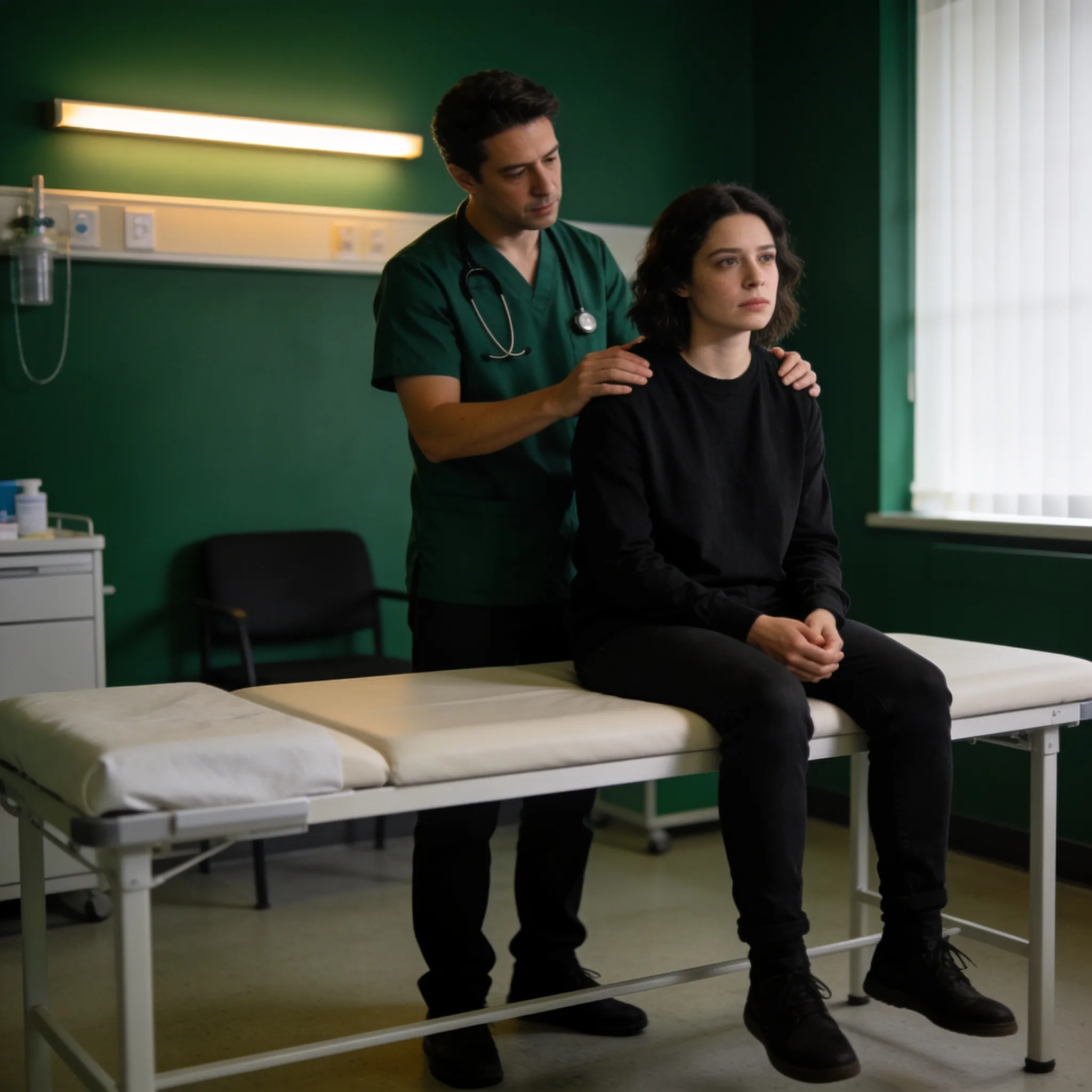

A Massachusetts medical card is the state-issued program ID for patients whose clinician certifies them for medical cannabis. Adult-use sales are legal in Massachusetts, so many people wonder whether a card is worth the effort.
This guide answers that question and walks through the process from first visit to first purchase.
The short version: a licensed clinician decides whether you are eligible, the evaluation can happen online, and the state issues the card.
The sections below cover the steps, the timeline, program fees at a high level, and where LeafyRX fits.
Who This Massachusetts Medical Card Guide Is For
This guide is for Massachusetts patients who want a clear picture of the process before they book anything.
It explains how to get a Massachusetts medical card, what to prepare, and how long each stage can take. It also covers whether LeafyRX can start your evaluation.
It is education, not medical or legal advice, and it does not diagnose any condition. Program rules change, so verify current details on the official Cannabis Control Commission (CCC) patient registration page before you act.

How the Massachusetts Medical Marijuana Program Works in 2027
Massachusetts runs its Medical Use of Marijuana Program through the Cannabis Control Commission. A certifying health care provider registered with the program certifies that you have a qualifying condition.
You then complete your application in the state’s online system, and the state issues your program ID card.
LeafyRX is not the state and does not issue the card. Its role is the clinical evaluation, which you can complete online with a licensed clinician.
Why a Medical Card Still Matters When Adult-Use Is Legal
Adults 21 and older can buy from adult-use retailers without a card. A medical card is optional, and it does not make sense for everyone.
According to the CCC and Mass.gov, it changes three things:
-
Possession: Qualifying patients can possess up to a 60-day supply of marijuana. Adult-use consumers can carry up to two ounces on their person and keep up to 10 ounces at home, per the CCC frequently asked questions.
-
Taxes: Mass.gov states that the marijuana sales tax law does not apply to sales by medical marijuana treatment centers to qualifying patients. Adult-use purchases carry state marijuana taxes, and some towns add a local tax. Read the Mass.gov summary of medical marijuana law for the current rules.
-
Age and access: Patients 18 and older can qualify with a certification, while adult-use purchases require you to be 21. Medical patients buy through registered medical marijuana treatment centers.
Whether those differences matter depends on how much you buy and what your treatment plan calls for. Check the current tax and possession rules on Mass.gov before you decide.
Qualifying Conditions: What to Know
This guide does not publish its own condition list. Massachusetts sets the rules, and a clinician applies them to your history.
Eligibility has two parts: a qualifying medical condition under state rules, and a certifying provider’s written opinion that medical cannabis is appropriate for you.
The official current rules live on the CCC site, so treat that as the source of truth. In a LeafyRX evaluation, a licensed clinician reviews your history against current Massachusetts requirements. That review is not a diagnosis, and approval is never guaranteed. Some patients do not qualify.
If you want a general overview before your visit, read how to find out whether your condition qualifies. Records of your diagnosis and past treatment can help the clinician understand your situation.
How to Get a Massachusetts Medical Card, Step by Step
The process has a clinical part and a state part. LeafyRX handles the first. You handle the second in the state’s online system.
-
Check the basics. Patients must be 18 or older, or follow the minor pathway described below. You also need to show Massachusetts residency.
-
Complete an evaluation. Book an online visit with a licensed clinician. If the clinician certifies you, the certification is recorded in the state’s online system.
-
Get your PIN. According to the CCC, your provider gives you a four-digit PIN to complete your application.
-
Register with the state. Use the Medical Use of Marijuana Program online system to submit your application with your ID and proof of residency. Mail applications exist, but the CCC says they take longer.
-
Wait for approval. The CCC reviews your registration. While you wait, you can request a temporary registration card, and the state later issues your program ID.
So can you apply online? The evaluation is online, and so is the state application. You still complete the registry steps Massachusetts requires.
For a general look at the online process, see how an online medical marijuana card application works.
Documents to Have Ready
Gather these before your visit and before you open the state portal:
-
A valid form of ID, such as a Massachusetts driver’s license or a U.S. passport.
-
Proof of Massachusetts residency.
-
The four-digit PIN your provider gives you after certification.
-
An email address and phone number you check often.
-
Optional: records of your condition and past treatment, to share with the clinician.
You do not need a referral from your primary care provider to see a certifying provider, according to Mass.gov guidance. Check the CCC site for the current document list, because requirements can change.
Timeline: Visit vs State Processing
The timeline splits into two parts, and they run on different clocks.
The Clinician Visit
The visit is a single appointment with a licensed clinician. Scheduling depends on availability, and many patients can book within days. The clinician decides whether to certify you. Nothing about the visit guarantees an outcome.
State Processing
State processing starts after certification and your registration. The CCC tells patients to expect an average of at least two weeks from registration approval to receiving the physical program ID card.
If your application is still pending, the CCC says you may get a temporary registration card. You can use it to buy for up to 14 days, or until the official card comes.
Registrations are also time-limited, and renewal usually means a new certification visit. Check your card’s expiration date and plan ahead. The official site lists current processing times, and those can shift.
Program Fees at a High Level
Costs come from three places, and it helps to keep them apart.
-
The state program: The CCC says there is no fee to register for a program registration card. A replacement for a lost card has carried a small fee. Confirm current amounts on the official site.
-
The clinical evaluation: Certifying providers may charge for visits, including annual certification. LeafyRX charges for its evaluation, and you can see the current price when you start. This guide does not list LeafyRX prices.
-
Your purchases: What you spend at a treatment center is separate from program fees.
For a national view of what patients pay and why prices vary, see the medical marijuana card cost guide.
Minors and Caregivers
Massachusetts treats patients under 18 differently. The CCC says a parent or guardian must approve medical use for a minor. Two certifying providers must certify the minor. One of them must be a pediatrician or a pediatric specialist.

The state also has a caregiver registration. A registered caregiver can help a patient who cannot buy or manage medicine alone.
Read the CCC pages on caregiver registration for the current steps. If you need an evaluation for a minor, ask before you book whether the service evaluates patients under 18. This guide does not assume it does.
Buying and Using After Approval
After approval, you buy from a registered medical marijuana treatment center. Bring your program ID or temporary card and a government-issued ID. Staff verify your registration before a sale.
Staff can explain products and consumption methods, but they do not replace your clinician. Bring dosing and side-effect questions to the provider who certified you. Start with the lowest amount that helps, and keep cannabis away from children and pets.
Public consumption rules, landlord policies, and workplace rules still apply to you. Your program ID does not override them.
Travel, Employment, and Driving
These are facts, not legal advice. Talk to a lawyer about your own situation.
-
Travel: A Massachusetts card is a state program ID. Other states set their own rules, and cannabis remains regulated under federal law. Do not carry cannabis across state lines, and do not bring it through airports or onto federal property.
-
Employment: Employers can have drug-testing and safety policies. Federal contractors and safety-sensitive roles often follow stricter rules. Read your employer’s policy and ask HR before you start.
-
Driving: Impaired driving is illegal in Massachusetts, and a medical card does not change that. Do not drive if you feel impaired.
-
Firearms: Federal firearm purchase forms ask about use of controlled substances. Ask a lawyer how that applies to you.
Conclusion
A Massachusetts medical card is optional because adult-use is legal. It changes possession, taxes, and how you buy, and it requires a clinician to certify you.
The process has two parts: an online evaluation with a licensed clinician, then registration with the state, which issues the card. The visit and the state processing run on separate timelines, so plan for both.
If you want to see whether you are eligible, start your evaluation. You can also read about our service on the LeafyRX Massachusetts medical card. A clinician makes the final decision, and approval is not guaranteed.




 Ask ChatGPT
 Ask Claude
 Ask Perplexity