
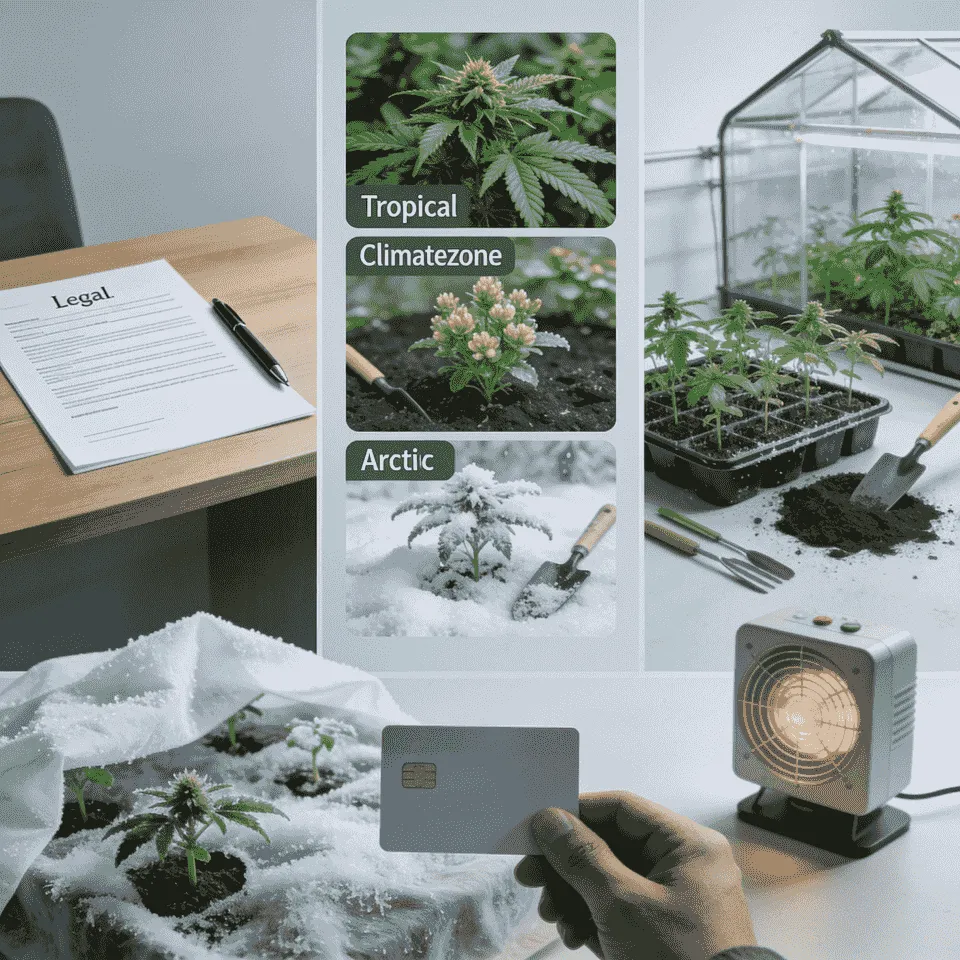

The best time to plant cannabis in spring is after your area’s last frost date, when nighttime temperatures consistently remain above 50°F (10°C). In most regions of the United States, this means planting outdoors between March and early June, depending on climate, elevation, and USDA hardiness zone.
For patients and home growers, proper planting timing helps prevent frost damage, support healthy growth, and maximize seasonal yields. This physician-reviewed guide explains when to plant cannabis in spring based on your region, how to prepare seedlings for transplanting, and how to protect young plants from unexpected cold weather.
When to Plant Cannabis in Spring? A lot of home growers struggle with timing: when should you start seeds indoors, what’s the safe transplant date for your zone, and how do you protect plants from late spring cold snaps?
This physician-reviewed guide solves these challenges with precision. You’ll learn exact planting timelines based on your USDA hardiness zone. We cover state-specific cultivation laws that affect your planting window. You’ll discover how to prepare seedlings, protect against frost, and time your medical card application. Most importantly, you’ll ensure continuous access to your plant medicine throughout 2026.
This guide walks you through every step, from understanding your state’s home grow rights to creating a cannabis planting calendar. We’ll cover your state’s home grow rights, help you build a planting calendar, and show you exactly when to start seeds for your region.
Understanding Your State’s Medical Cannabis Home Cultivation Laws and When to Plant Cannabis in Spring
Medical cannabis home grow rights vary dramatically across the United States. Before you start cannabis seeds in spring, you need to know your state’s rules. Some states allow cultivation with a medical card. Others ban it completely.
Your spring timing really comes down to two things: your state’s legal rules and what your climate is actually doing with frost.
Medical Card Requirements for Home Cultivation
Most states that permit home cultivation require a valid medical card. This certification proves you’re a registered patient. Without it, you can’t legally grow.
Your medical card typically specifies plant count limits. These limits control how many plants you can grow at once. They also dictate whether you can grow mature or immature plants.
To stay compliant, you must maintain your medical card status. Let it expire, and your cultivation rights disappear immediately.
State-by-State Home Grow Regulations
Medical card rules vary depending on where you live, so here’s the breakdown:
| State | Home Grow Allowed | Plant Limit |
|---|---|---|
| Michigan | Yes (with medical card) | 12 plants |
| Oklahoma | Yes (with medical card) | 6 mature, 6 seedlings |
| Pennsylvania | No | Not permitted |
| Ohio | No | Not permitted |
| Illinois | No (medical patients only) | 5 plants |
Just double-check your local laws before you plant—they change pretty often, and you don’t want to mess with penalties.
Why Last Frost Date Matters for Medical Cannabis
Cannabis can’t survive freezing temperatures. Exposure to 32°F or below kills plants instantly. That’s why your last frost date is critical.
The outdoor cannabis growing guide starts with this date. You can’t transplant seedlings outside until frost risk passes. Doing so wastes time, money, and your plant count.
Most growers start seeds indoors 4-6 weeks before the last frost. This gives seedlings time to develop strong roots. When frost danger ends, you transplant healthy plants outdoors.
USDA Hardiness Zones and Regional Timing
Your planting calendar’s all about your hardiness zone—check the USDA Plant Hardiness Zone Map to find yours, and you’ll see that northern zones (3-5) plant later while southern zones (8-10) can get going way earlier.
Here’s when to transplant cannabis outdoors by region:
-
Zones 3-4: Late May to early June
-
Zones 5-6: Mid to late May
-
Zones 7-8: Late April to early May
-
Zones 9-10: Early March to mid-April
Starting indoors extends your cannabis growing season by 1-2 months. You can find your regional last frost date by entering your zip code for precise local timing. This extra time means bigger yields while staying within legal plant limits.
Optimal Spring Planting Timeline by Climate Region for Medical Cannabis Patients
Your planting window depends on your USDA zone, and nailing the timing for your region really helps you maximize your supply and get a solid harvest. Understanding when to plant cannabis in spring for your zone is crucial to your success.
Northern Climates (Zones 3-5): Late May to Early June
Wait until late May or early June to plant outdoors. Frost risk remains high until then.
Start seeds indoors in mid-April. This gives you a head start on the short growing season. Transplant only after nighttime temps stay above 50°F. Getting your cannabis seed germination timing right is especially important in these zones.
Temperate Regions (Zones 6-7): Mid-April to Mid-May
You have the most flexibility here. Plant outdoors from mid-April to mid-May once the soil warms to 60°F. The best month to plant cannabis in these zones is typically late April.
Wait until frost risk drops below 10%. This typically happens in late April for zone 7 and early May for zone 6.
Southern and Warm Climates (Zones 8-10): March to Early April
Plant as early as March in these zones. Early planting lets you harvest before extreme summer heat.
Summer temps above 95°F cause heat stress. Plan your harvest for late June or early July to avoid this.
Coastal regions need a different timing. Plant 2-3 weeks later than inland areas at the same latitude. Ocean influences and marine layer fog keep temperatures cooler longer.
Mountain and high-elevation patients should adjust timing upward. Add 1-2 weeks for every 1,000 feet above sea level.
Planning Your Medical Supply Throughout the Growing Season
Time your harvests to maintain continuous medicine access. Most patients need 3-4 months from planting to harvest.
Stagger plantings every 4-6 weeks if your zone allows. This creates a rolling harvest schedule.
Track your consumption rate. Most medical patients use 1-2 ounces monthly. Plan accordingly to avoid supply gaps between growing seasons.
Preparing Medical Cannabis Seedlings and Transplants for Spring Planting
So here’s the thing: if you’re growing at home, timing and prep are everything. It all starts indoors weeks before you move plants outside.
Germination Timing and Indoor Seedling Care
Start germination indoors 4-6 weeks before your planned outdoor transplant date. This timing aligns with the cannabis growing season in most regions.
Maintain these conditions for healthy seedlings:
-
18-24 hour light cycles for vegetative growth
-
70-80°F temperatures for optimal development
-
Consistent moisture without waterlogging
Many patients with medical card cultivation rights find indoor starts reduce outdoor growing time. By understanding growth stage requirements, you can manage your cannabis plants to ensure consistent access for chronic conditions.
Hardening Off Process for Outdoor Transition
Hardening off takes 7-10 days of gradual outdoor exposure. Start with 1-2 hours of filtered sunlight daily.
Increase exposure by 1-2 hours each day. This prevents shock when you transplant cannabis outdoors permanently.
Transplant Shock Prevention Strategies
Transplant on overcast days or in the early evening. Direct sunlight stresses young plants during this critical phase.
Follow these steps to minimize shock:
-
Pre-moisten the soil before transplanting.
-
Wait until ambient temperatures stay above 60°F
-
Move root-bound seedlings to larger containers 2-3 weeks early
Use fertilizers with higher phosphorus ratios, like 5-10-5. This encourages root development during the first two weeks after planting.
Documentation for Medical Compliance
Keep detailed cultivation logs throughout your growing season. Track strain performance, growth rates, and harvest yields.
This documentation helps optimize future seasons. It also supports compliance with state medical cannabis regulations.
Protecting Spring Medical Cannabis Plants from Late Frost and Cold Snaps
Spring weather can turn dangerous fast. Late frosts threaten your medical cannabis home grow even after transplanting outdoors. You need protection strategies ready before cold strikes.
Frost Protection Methods and Materials
Row covers work down to 28°F when you secure them properly. Vent them during the daytime to prevent overheating. Cloches and cold frames create similar protection for individual plants.
Wall O’ Water devices surround plants with water-filled tubes. They release heat overnight and create microclimates 5-10°F warmer than the surrounding air. Water-filled containers placed near plants work the same way.
Emergency Cold Weather Response
Water plants thoroughly in the afternoon before frost hits. Moist soil retains more heat than dry soil. It releases warmth slowly through the night.
Move potted plants to protected spots or indoors when temperatures drop below 40°F. Containers lose heat faster than ground soil.
Monitoring Weather and Extending Protection
Check 10-day forecasts daily during the first four weeks after transplanting. Cold snaps can strike even after your area’s average last frost date. This monitoring protects your cannabis growing season investment.
Protecting Your Medical Supply Investment
Medical patients can’t afford total crop loss. Keep backup indoor growing capacity ready. Stock emergency protection supplies before you need them. Your medical card cultivation rights mean nothing if frost destroys your plants.
Getting Your Medical Card Before Spring Planting Season
Planning your spring cannabis cultivation starts with legal protection. You need your medical card in hand before you plant. This protects you from legal issues and gives you access to quality genetics.
Why Get Your Medical Card Before Planting
Start your medical card process 6-8 weeks before planting season. This timeline ensures you’re legally covered when seeds go in the ground. Most states process applications within 2-4 weeks, but delays can happen.
Your medical card gives you access to dispensary genetics. You can buy proven strains designed for your climate. This beats ordering seeds from unknown sources.
Qualifying Conditions for Medical Cannabis
Board-certified physicians evaluate patients for several conditions. Chronic pain, PTSD, and anxiety are common qualifiers. Each state maintains its own list of approved conditions.
Leafy Rx connects you with licensed doctors who understand medical cannabis home grow rights. Same-day appointments are available. You’ll know if you qualify within hours, not weeks.
The Leafy Rx Evaluation Process
The entire process happens online. You don’t need to visit a physical office. The platform is HIPAA-compliant and protects your privacy.
Here’s what makes it simple:
-
Complete a brief health questionnaire.
-
Connect with a licensed physician via video.
-
Receive your certification if approved.
-
Money-back guarantee if you don’t qualify
Over 100,000 patients have used this service. The money-back guarantee removes financial risk from your evaluation.
Medical Card Renewals and Growing Season Planning
Don’t let your card expire mid-season. Renew at least 30 days before expiration. This maintains continuous legal cultivation rights throughout the cannabis growing season.
Set a calendar reminder for renewal time. Most cards expire annually. Planning ahead prevents gaps in your legal protection.
Conclusion
So, when to Plant Cannabis in Spring? Spring medical cannabis cultivation demands careful planning and legal preparation. You’ve learned how state laws shape your homegrown rights; you now understand planting windows across different climate zones. You know how to harden off seedlings properly. You can protect young plants from late frost damage.
Start by securing your medical card 6-8 weeks before planting season. Begin seeds indoors 4-6 weeks before your last frost date. Match your cannabis planting calendar to your USDA hardiness zone. Monitor weather forecasts during the vulnerable transplant period. These steps position your medical cannabis home grow for therapeutic success.
Your spring cannabis cultivation timeline depends on elevation and microclimate factors. Adjust these guidelines to fit your specific location. State regulations also influence when you can legally start growing.
Ready to begin your legal spring cultivation journey? Leafy Rx connects you with board-certified physicians for fast medical card evaluations. Get same-day approval with our money-back guarantee. Join over 100,000 patients who trust our HIPAA-compliant platform.




 Ask ChatGPT
  Ask Claude
  Ask Perplexity